Fitness has become an indispensable part of modern life, but the risk of injuries often lurks behind intense workouts. Whether you’re a gym novice or a seasoned athlete, prioritizing safety through full-cycle control—from warm-up to cool-down—can help you avoid setbacks and maximize training results. This guide breaks down science-backed strategies to keep your fitness journey safe and sustainable.

The Critical Role of Warm-Up: Activate Before You Accelerate
Skipping warm-up is the top culprit behind acute injuries like strains and sprains. A proper warm-up raises your core temperature, increases blood flow to muscles, and loosens joints, preparing your body for physical stress.
Start with 5–10 minutes of light cardio—jumping jacks, brisk walking, or cycling—to elevate your heart rate. Follow with dynamic stretches: arm circles, leg swings, hip openers, and bodyweight squats. Target major muscle groups you’ll use during training, holding each movement for 10–15 seconds without static holding. For strength training, add 1–2 light sets of your first exercise to prime specific muscles.
Form First: The Foundation of Injury-Free Training
Poor form turns effective exercises into injury risks. Many fitness enthusiasts chase heavier weights or faster reps, compromising technique and straining joints.
Focus on controlled movements: lower weights slowly, avoid jerking, and maintain proper alignment. For example, keep your back straight during deadlifts, elbows close to your body during bicep curls, and knees tracking over toes during squats. If you’re unsure about form, work with a certified trainer for a session or use video tutorials from reputable fitness experts.
Listen to your body—discomfort is normal, but sharp pain means stopping immediately. Gradually increase intensity: aim for a 5–10% increment in weight or reps every 1–2 weeks to let your body adapt.
Recovery and Cool-Down: Don’t Neglect the Final Step
Cool-down is as vital as warm-up for preventing delayed muscle soreness and long-term injuries. It helps your heart rate return to normal, reduces lactic acid buildup, and improves flexibility.
Spend 5–8 minutes on low-intensity activity like walking or stretching. Switch to static stretches for muscles used in training—hamstrings, quads, chest, and shoulders—holding each for 20–30 seconds. Pair this with deep breathing to promote relaxation.
Post-workout recovery also includes hydration and nutrition. Drink water or electrolyte drinks to replenish fluids lost through sweat. Consume protein within 1–2 hours to support muscle repair, and get 7–9 hours of sleep nightly—muscles recover most during rest.
Additional Risk Prevention Tips
Wear appropriate gear: Invest in supportive shoes for cardio, gloves for weightlifting, and knee or wrist braces if you have weak joints.
Avoid overtraining: Give muscles 48 hours of rest between targeting the same group. Overtraining leads to fatigue, weakened immunity, and increased injury risk.
Adapt to your fitness level: Don’t copy advanced workouts blindly. Start with beginner-friendly routines and progress gradually.
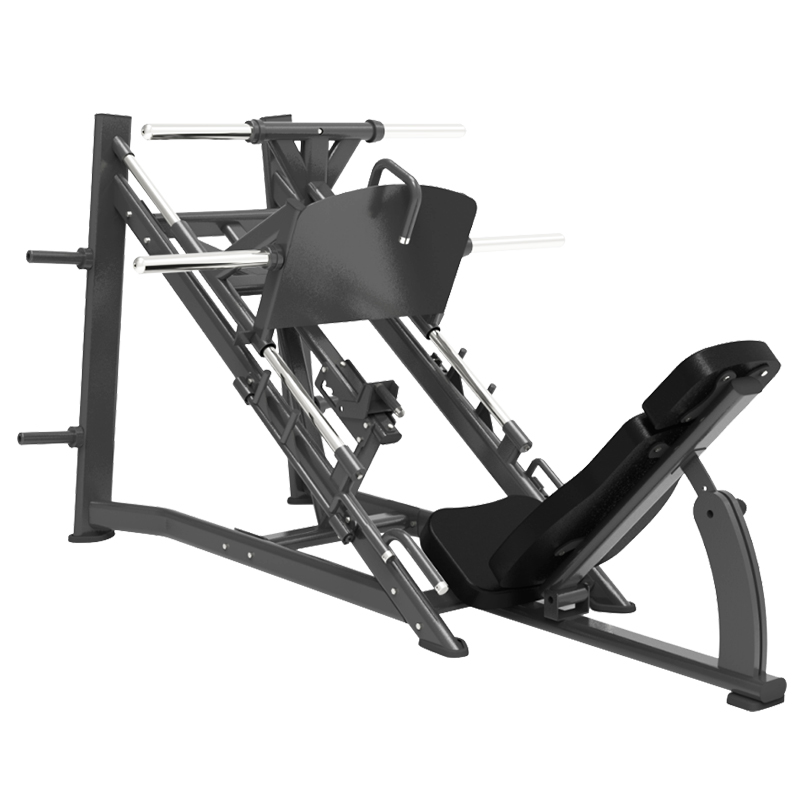
Check equipment: Ensure gym machines are properly adjusted and free of defects before use. For home workouts, use stable surfaces and quality equipment.
Fitness success isn’t just about how hard you train—it’s about how safely you sustain it. By integrating these full-cycle strategies into your routine, you’ll minimize injury risks, stay consistent, and achieve your fitness goals without setbacks. Remember: safety is the foundation of long-term progress.
Would you like me to adjust the article length, add more specific exercise examples, or optimize keywords further to align with foreign search habits? I can also create a fitness risk prevention checklist to accompany the article for better user engagement.