Hitting the gym with enthusiasm is great—but without prioritizing safety, you risk injuries that can derail your fitness goals. Whether you’re a beginner lacing up your sneakers for the first time or a seasoned gym-goer, mastering the details from warm-up to cool-down is key to staying safe, avoiding setbacks, and maximizing every session. Below is your go-to guide for gym safety that blends science-backed tips with practical habits.

Start with a Proper Warm-Up (Don’t Skip It!)
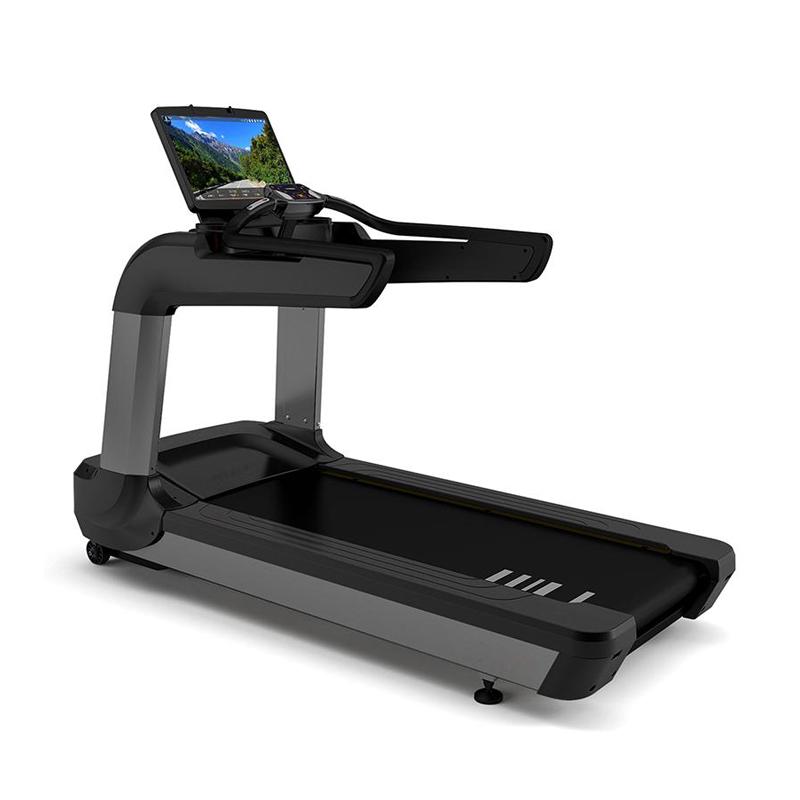
A dynamic warm-up isn’t just a “nice-to-have”—it’s your body’s defense against strains and pulls. Skip static stretching (save that for post-workout) and opt for movements that boost blood flow and loosen muscles: arm circles, leg swings, bodyweight squats, or a 5-minute jog on the treadmill. Target the muscles you’ll use most—if you’re lifting weights, add shoulder dislocations with a resistance band; for cardio, focus on leg mobility. Aim for 5-10 minutes of warm-up: this raises your core temperature, lubricates joints, and primes your nervous system for action. Skipping it? You’re doubling your risk of pulled muscles or joint pain.
Master Form Before Adding Weight
Poor form is the #1 cause of gym injuries—especially among beginners eager to lift heavy. Before increasing weight, ensure you’re performing exercises correctly: keep your spine neutral during deadlifts, engage your core in squats, and avoid rounding your shoulders during rows. If you’re unsure, ask a certified trainer for a quick check-in—many gyms offer free orientation sessions. Remember: it’s better to do 10 reps with perfect form than 20 with sloppy technique. Over time, proper form builds strength safely and prevents long-term issues like lower back pain or tendonitis.
Listen to Your Body (Pain ≠ Discomfort)
It’s normal to feel muscle fatigue during a workout—but sharp pain is a red flag. If you experience a stabbing sensation, joint pain, or dizziness, stop immediately. Pushing through pain doesn’t make you tougher; it increases the risk of serious injury. Learn to distinguish between “good burn” (muscle fatigue) and “bad pain” (injury). Take rest days when needed—your body repairs and grows stronger during recovery, not just during workouts.
Use Equipment Safely & Responsibly
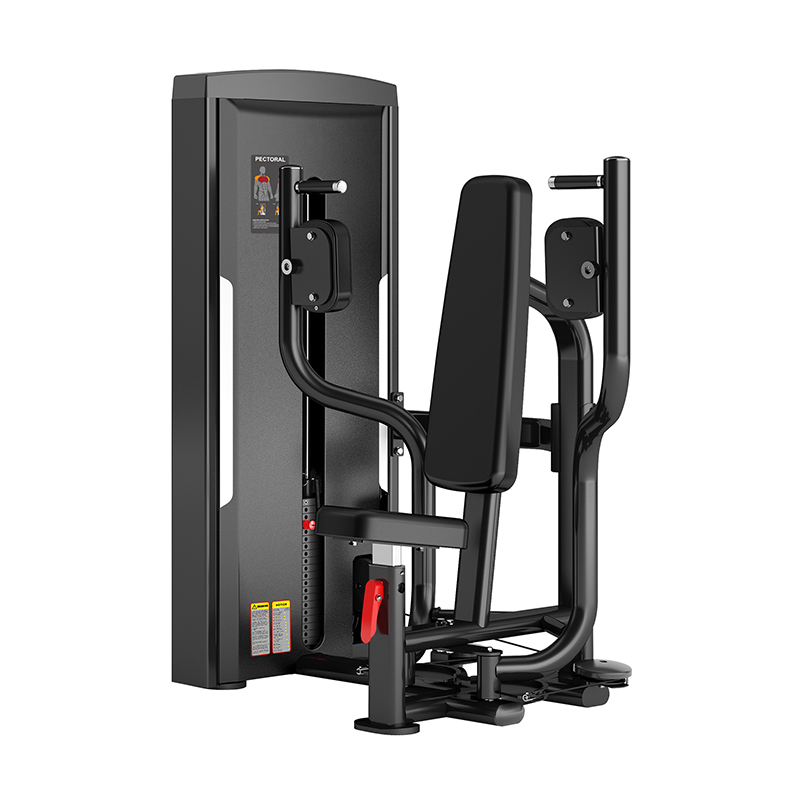
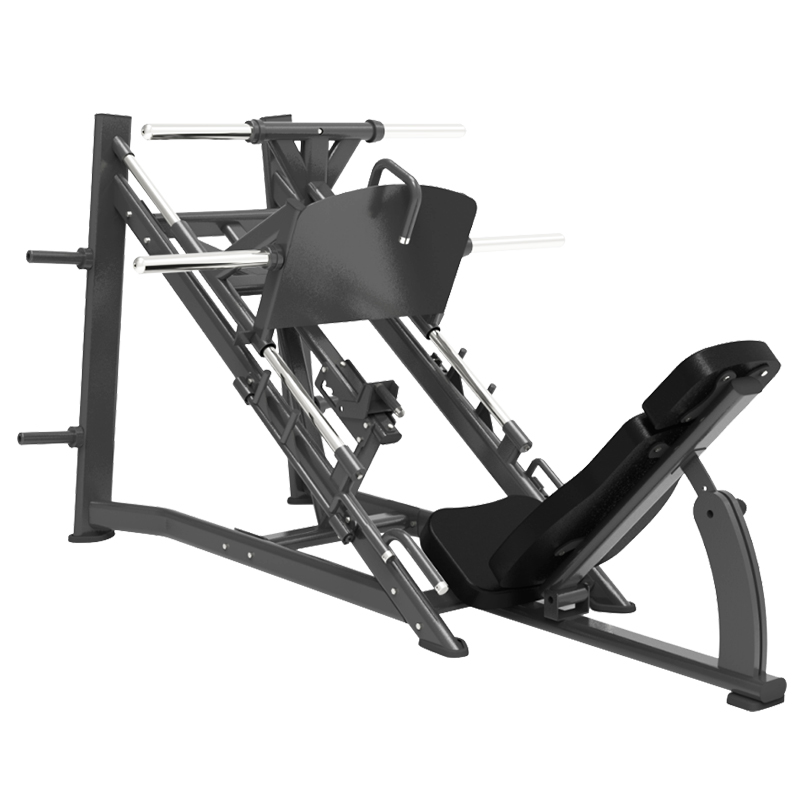
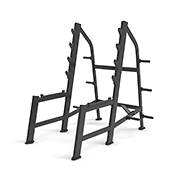
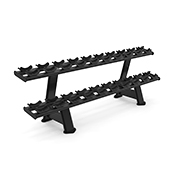
Gym equipment is designed to enhance your workout—but only if used correctly. Always adjust machines to fit your body: set the seat height so your knees form a 90-degree angle on leg presses, and adjust the bench for proper back support during chest presses. Never use broken or malfunctioning equipment—report it to gym staff immediately. For free weights, use a spotter when lifting heavy (e.g., bench presses, overhead presses) to avoid accidents. And don’t forget to wipe down equipment after use—hygiene is part of gym safety too!
Cool Down to Aid Recovery
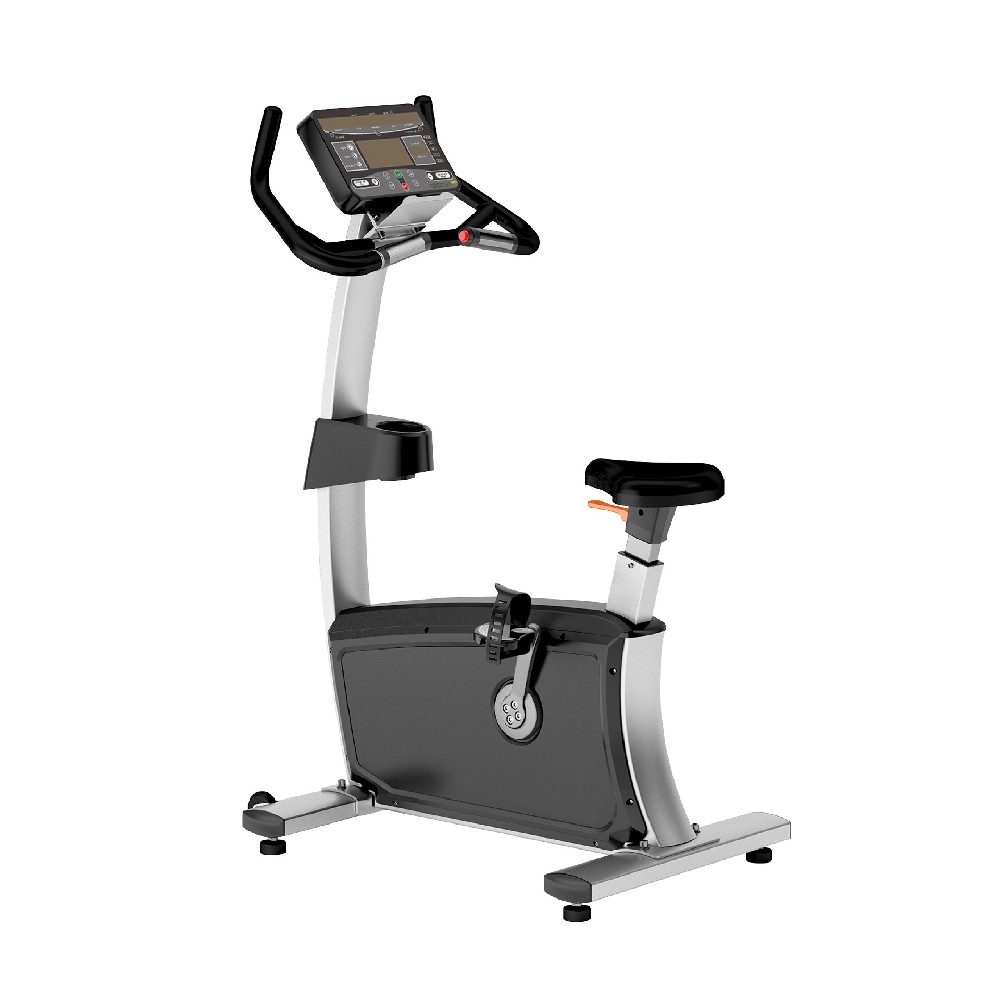
Just as warm-up prepares your body, cool-down helps it recover. Spend 5-10 minutes on low-intensity activity: walking, cycling at a slow pace, or gentle yoga. Follow with static stretching—hold each stretch for 15-30 seconds (focus on quads, hamstrings, shoulders, and back) to improve flexibility and reduce muscle soreness. Cooling down lowers your heart rate gradually and prevents blood pooling, which can cause dizziness.
Final Tips for Consistent Safety
Stay hydrated: Sip water throughout your workout—dehydration leads to cramping and poor performance.
Dress appropriately: Wear supportive shoes and moisture-wicking clothing to avoid slips and overheating.
Don’t overtrain: Give each muscle group 48 hours of rest before targeting them again.
Know your limits: Progress slowly—adding 5-10% weight or intensity at a time is safer than jumping to heavy loads.
Gym safety isn’t about being cautious—it’s about being smart. By focusing on these details from warm-up to cool-down, you’ll protect your body, stay consistent, and see better results in the long run. Remember: a safe workout is a successful workout. Now grab your water bottle, warm up properly, and hit the gym with confidence!