When setting up a fitness space—whether for personal use at home or a commercial gym—choosing between commercial and home gym equipment is a critical decision. Many buyers overlook the fundamental differences between the two, leading to regrets like frequent breakdowns or wasted budget. This guide breaks down their core disparities, focusing on durability, performance, cost-effectiveness, and more, to help you make an informed choice tailored to your needs.

1. Durability & Build Quality: Built for Different Usage Intensities
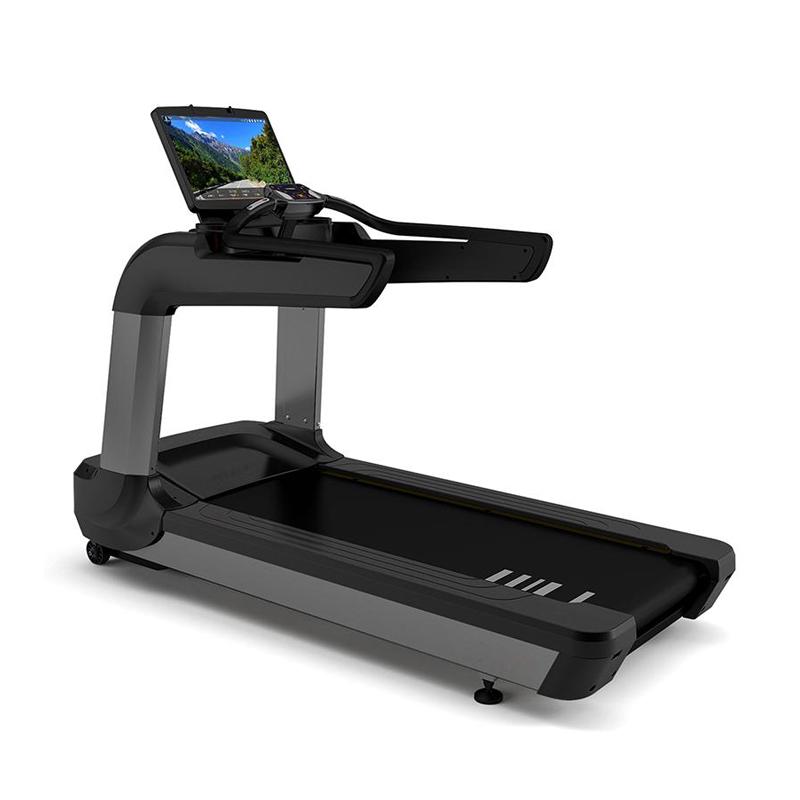
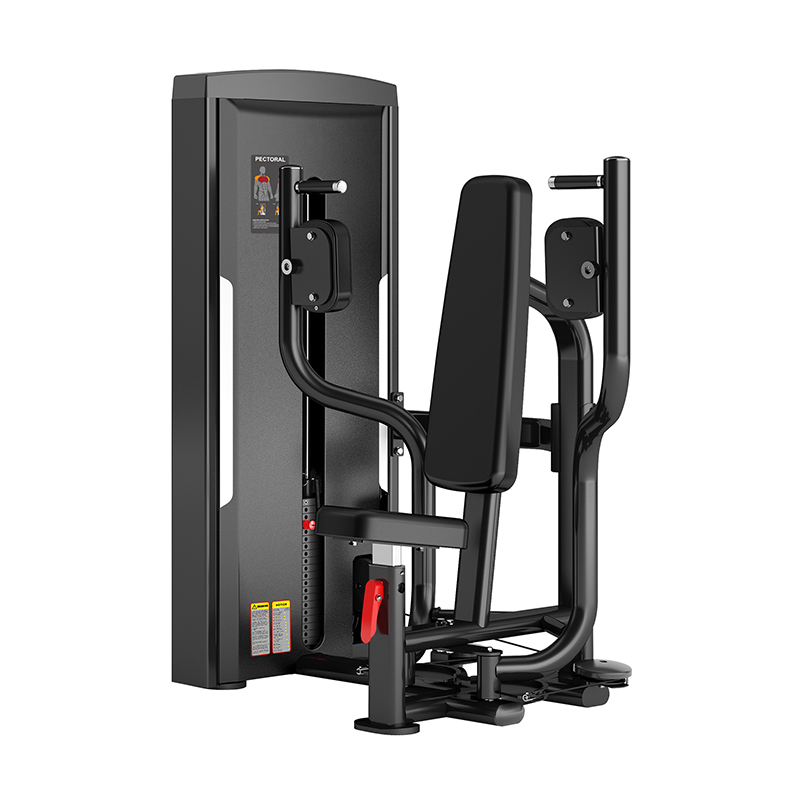
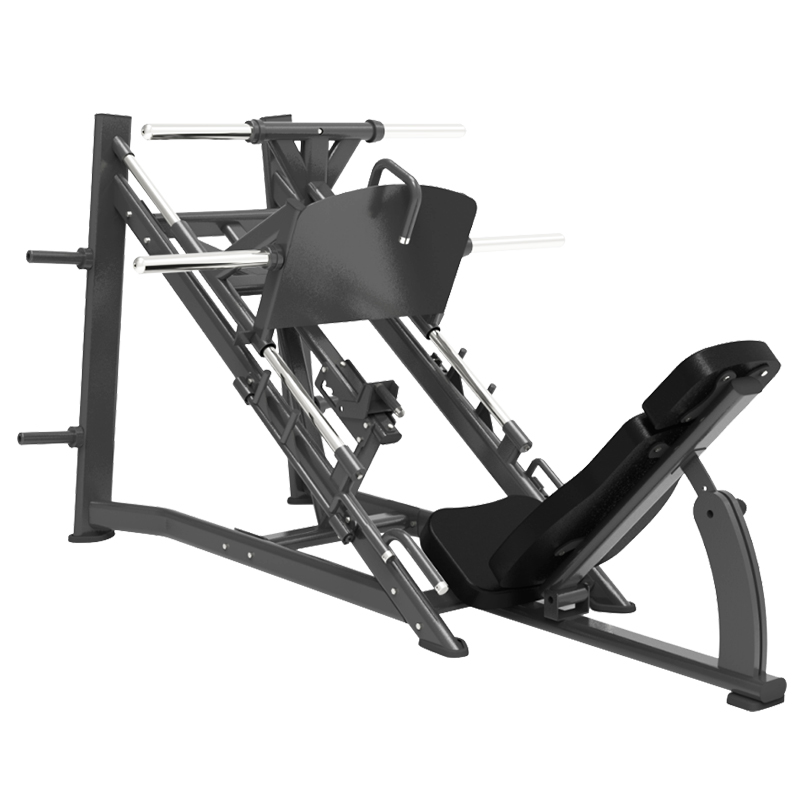
The most significant gap lies in construction. Commercial gym equipment is engineered for heavy-duty, daily use by hundreds of users. It features thick-gauge steel frames, reinforced joints, and industrial-grade motors (for cardio machines like treadmills or ellipticals) that can withstand 8–12 hours of operation daily. For example, commercial treadmills often have a weight capacity of 300–400 lbs and a running deck thickness of 1.2–2 inches, ensuring stability even during intense workouts.
In contrast, home gym equipment is designed for light to moderate use (1–3 hours per day, 3–5 days a week) by a small number of people. It uses lighter steel frames and compact motors to save space and cost. While sufficient for personal training, home gear may wear out quickly if used excessively—e.g., a home treadmill’s motor might overheat with daily 2-hour sessions, leading to frequent repairs.
2. Performance & Features: Functionality vs. Practicality
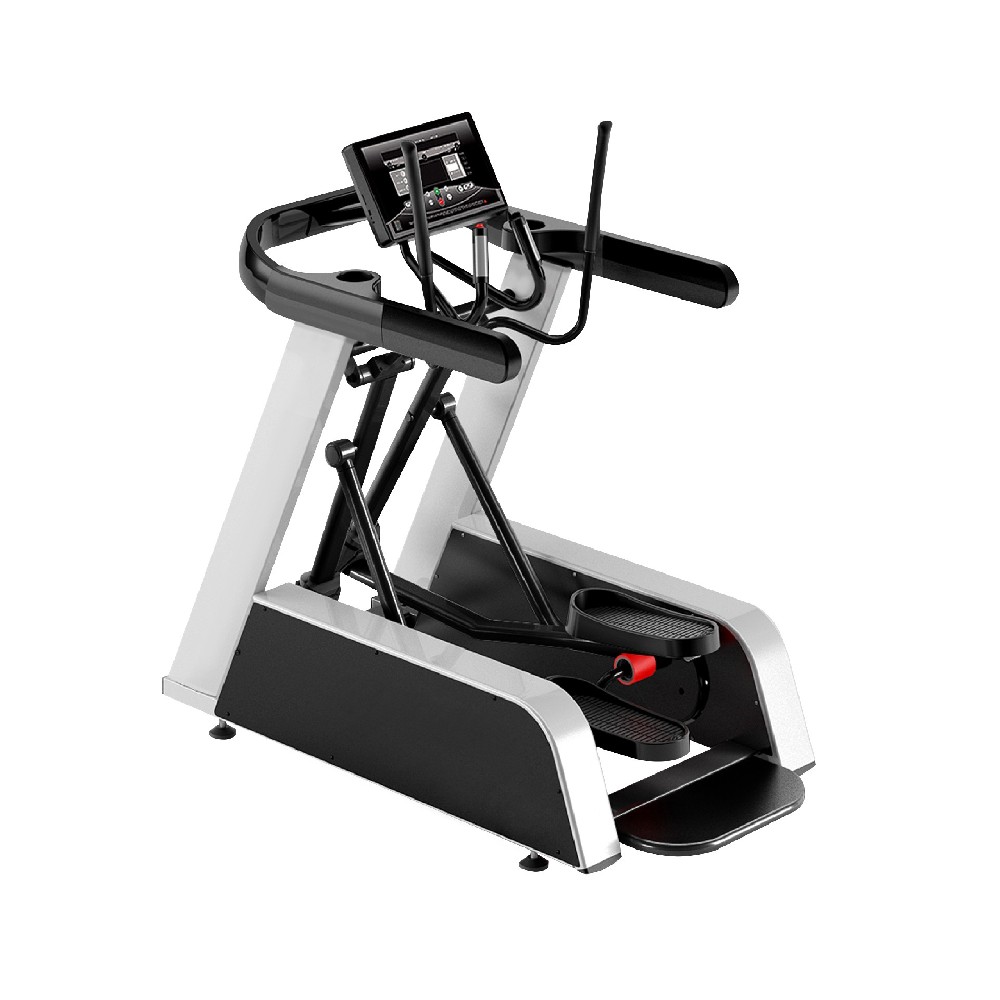
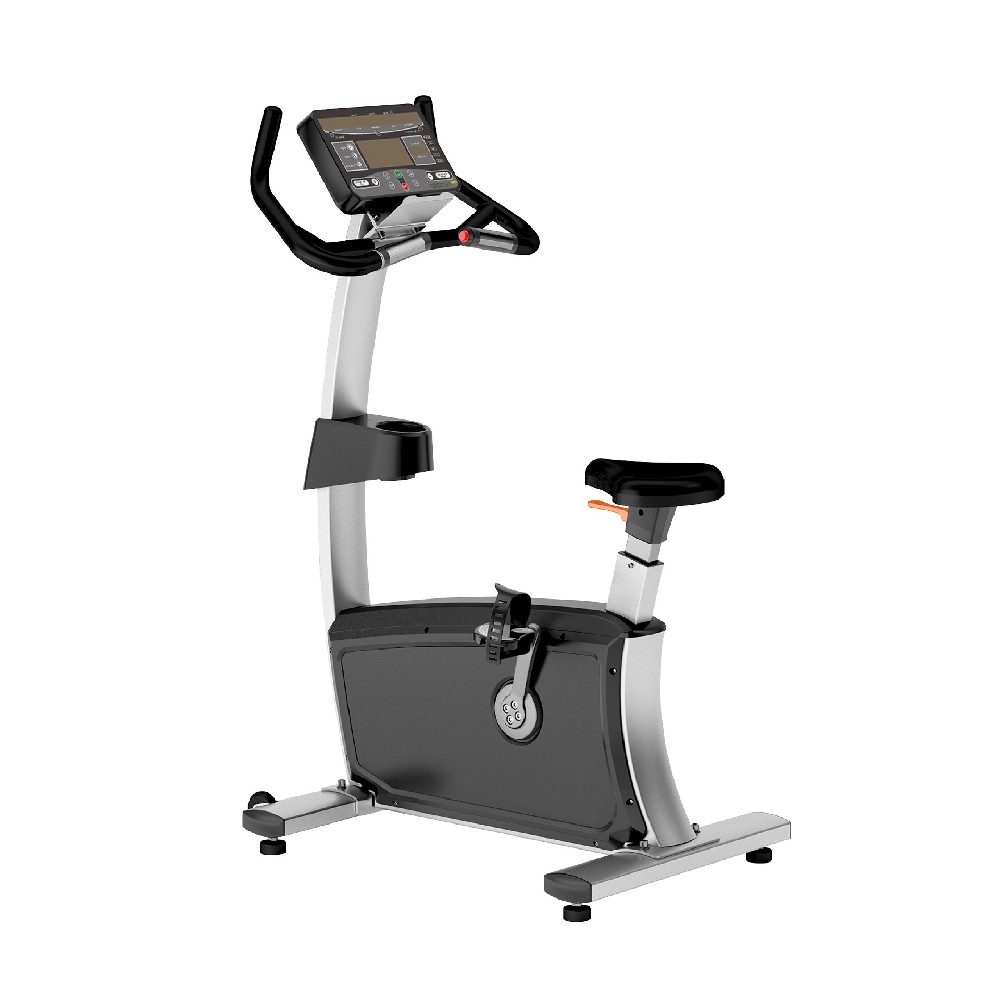
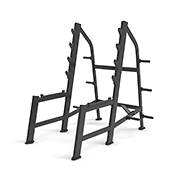
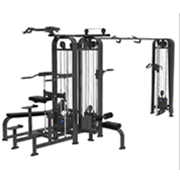
Commercial equipment prioritizes peak performance and versatility to cater to diverse user needs (beginners to professional athletes). Cardio machines offer wider speed ranges, incline options, and advanced workout programs, while strength equipment (like power racks or cable machines) supports higher weight loads and multiple exercise variations. Many commercial models also include commercial-grade cushions and ergonomic designs for user comfort during long gym hours.
Home equipment leans toward compactness and ease of use. It often combines multiple functions (e.g., foldable treadmills, multi-gyms with integrated weights) to fit small spaces like bedrooms or garages. While lacking some high-end features, home gear focuses on practicality—simple controls, quick assembly, and low maintenance—making it ideal for busy individuals or families.
3. Cost & Value for Money: Short-Term Savings vs. Long-Term Investment
Price is a key consideration. Home gym equipment is generally more affordable upfront, with entry-level treadmills or dumbbell sets starting at $300–$1,000. However, its lower durability means higher long-term costs—repairs, part replacements, or full replacements every 3–5 years.
Commercial equipment requires a larger initial investment (e.g., commercial treadmills cost $3,000–$10,000, power racks $1,500–$5,000), but it offers better value for money in the long run. Built to last 10–15 years with minimal maintenance, it’s a cost-effective choice for gym owners or individuals who workout intensely daily. Additionally, commercial gear retains higher resale value, making it a smarter investment.
4. Space & Installation: Compact vs. Professional Setup
Home equipment is designed to be space-saving. Foldable treadmills, adjustable dumbbells, and wall-mounted pull-up bars can be stored when not in use, fitting even small apartments. Installation is usually straightforward, with most models coming with detailed instructions for DIY assembly.
Commercial equipment is bulky and requires dedicated space. Gym owners need to plan layouts to accommodate large machines like Smith machines, rowing ergometers, and group cycling bikes. Professional installation is often necessary, as these machines may require electrical wiring, floor anchoring, or team lifting—adding to the overall setup cost.
Final Verdict: Choose Based on Your Usage & Goals
If you’re setting up a personal gym for occasional workouts, home equipment offers the best balance of cost, space, and functionality. For commercial gyms, hotels, or fitness studios that serve multiple users daily, commercial-grade equipment is non-negotiable—it ensures reliability, safety, and user satisfaction.
By understanding these core differences, you can avoid costly mistakes and select equipment that aligns with your needs, budget, and long-term goals. Whether you’re a home fitness enthusiast or a gym business owner, investing in the right gear is the first step toward a successful fitness journey.