Working out with fitness equipment is a fantastic way to stay in shape, but it requires proper knowledge to avoid injuries and maximize results. Whether you’re a gym newbie or a regular exerciser, mastering these key principles will elevate your fitness journey.

Understand Equipment Categories
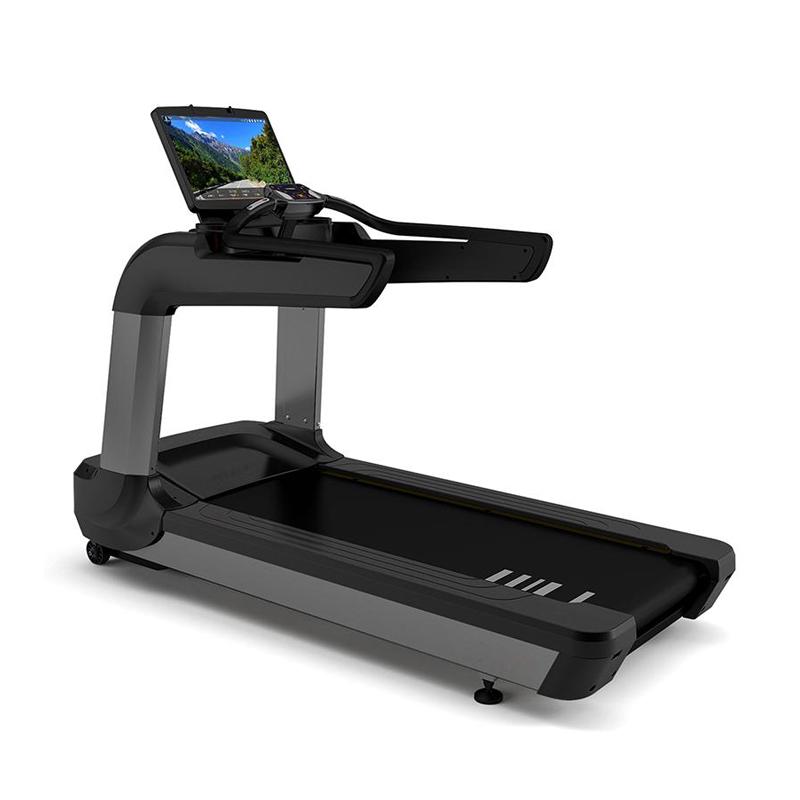
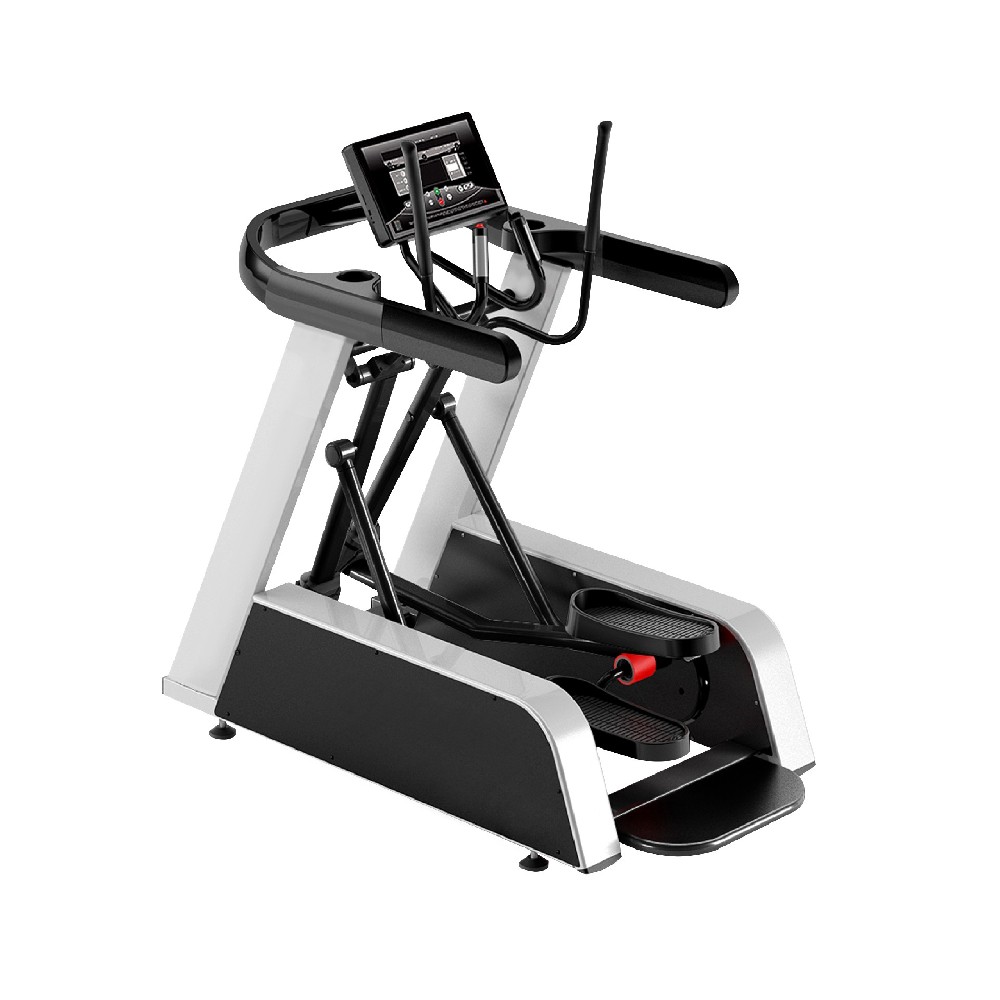
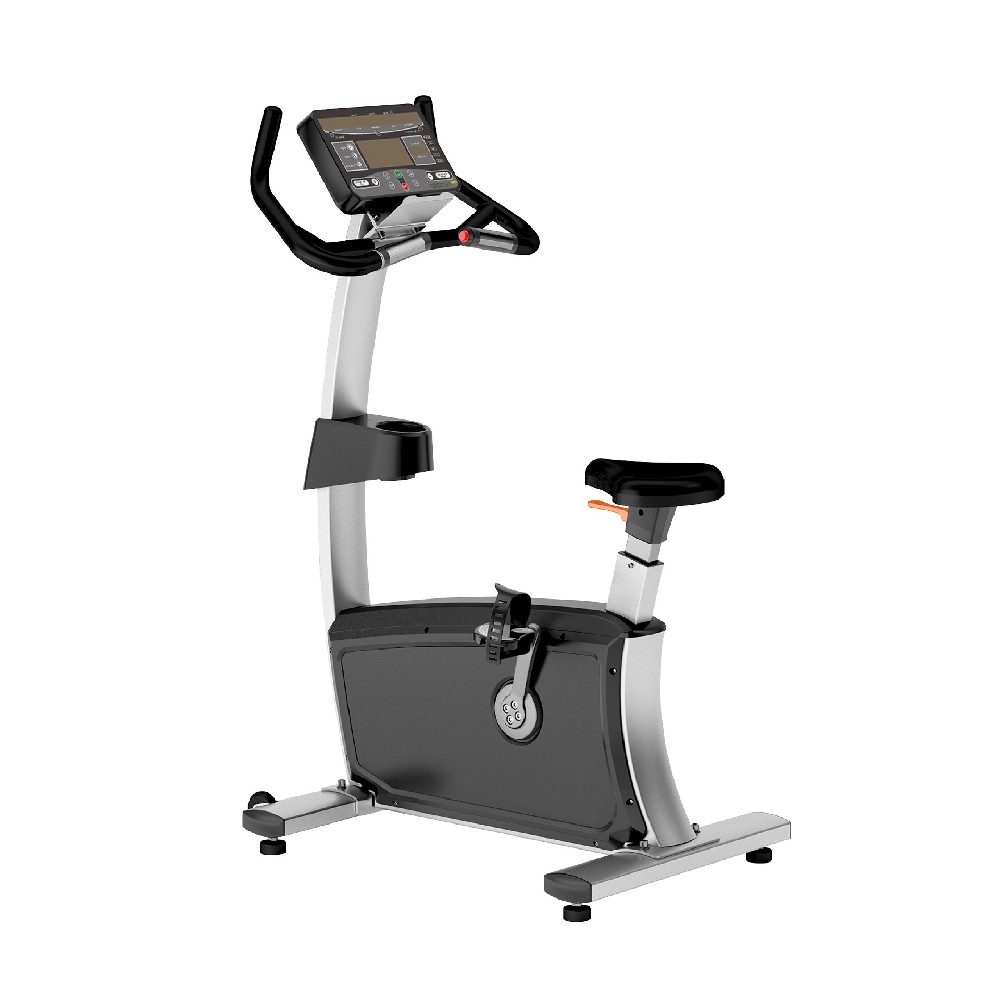
Fitness gear falls into several core categories, each serving distinct purposes. Cardio equipment like treadmills, ellipticals, and stationary bikes boosts heart health. When using treadmills, start with a slow walking pace to adjust to the belt movement. For ellipticals, maintain a natural stride to protect knee joints. Strength training equipment such as dumbbells, barbells, and resistance machines builds muscle mass. Dumbbells offer versatility for full-body workouts, while machines provide stability for beginners. Always match equipment to your fitness goals—cardio for endurance and strength tools for muscle growth.
Pre-Workout Preparation
Never skip pre-workout checks. First, inspect equipment condition: ensure screws are tight, cables are intact, and weight stacks are secure. For example, a loose treadmill belt can cause slips, while frayed cables on machines may snap during use. Next, warm up properly with 5-10 minutes of light cardio to increase blood flow. Dynamic stretches like arm circles and leg swings prepare muscles for intense movements, reducing strain when using heavy equipment.
Master Correct Form
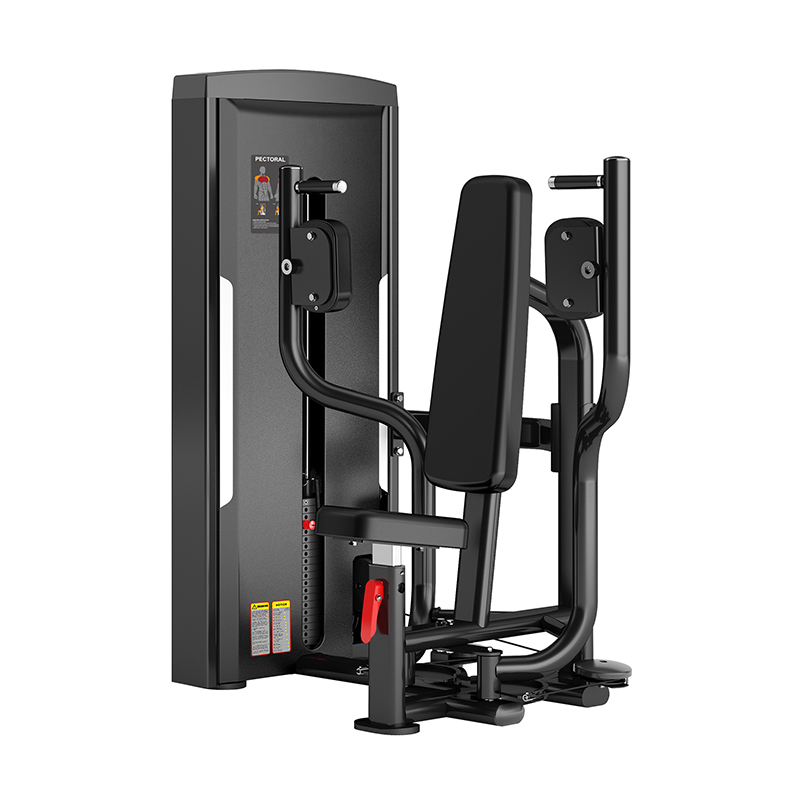
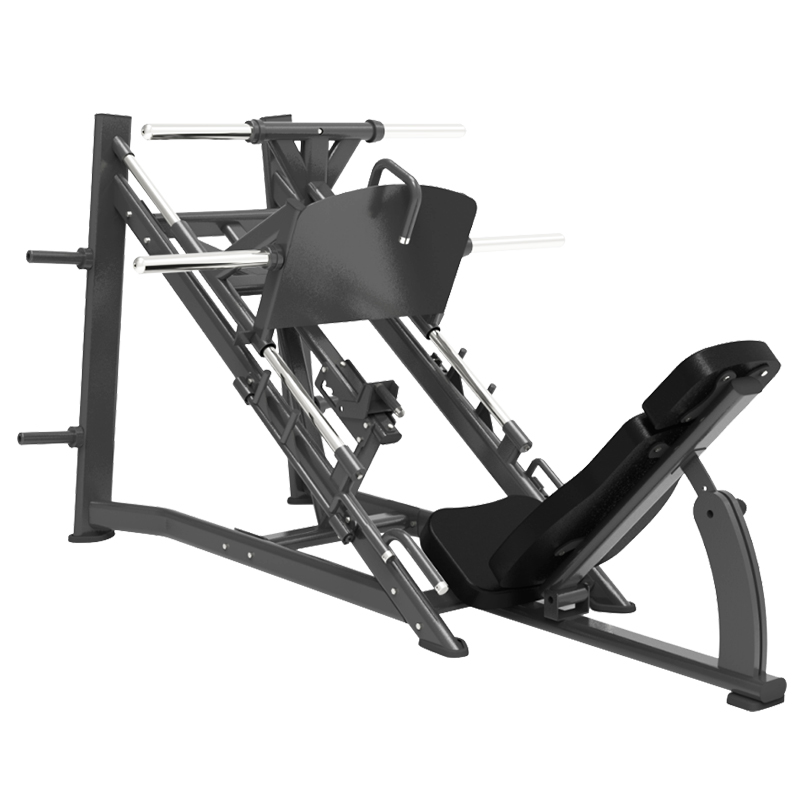
Proper form is crucial for effectiveness and safety. When using weight machines, adjust seats and handles to fit your body—knees should form a 90-degree angle on leg presses, and elbows should stay close to your sides during chest flyes. For free weights, keep your core engaged to maintain balance. Avoid arching your back during deadlifts or swinging dumbbells during bicep curls, as these mistakes can lead to spinal or joint injuries. If unsure, ask a gym trainer for a demonstration.
Safety First
Safety should be your top priority. Start with light weights to practice form before increasing intensity. Never lift more than you can control, as overloading often leads to accidents. Use safety features: engage the treadmill’s emergency stop clip, and use spotters when lifting heavy barbells. Stay hydrated during workouts, and listen to your body—sharp pain means stopping immediately.
Post-Workout Care
After using equipment, clean and reset it. Wipe down surfaces with sanitizing wipes to prevent germ spread, and return weights to their proper racks. This maintains a respectful gym environment. Additionally, cool down with static stretches to reduce muscle soreness. Stretch major muscle groups like quads, hamstrings, and shoulders for 15-30 seconds each.
By following these essential tips, you’ll use fitness equipment safely, avoid injuries, and achieve your fitness goals more efficiently. Remember, consistency paired with proper technique is the key to long-term success.