Introduction
In fitness circles, the elliptical machine is a fan favorite, thanks to its mix of full-body engagement and low-impact movement. Whether you’re a gym veteran or a beginner, it offers an effective way to stay fit—but understanding its key features can take your results to the next level. From proper use to setting adjustments, these insights turn a basic workout into a efficient routine. Let’s explore how to maximize your time on this versatile equipment.

The Basics of Elliptical Machines
History and Invention
Precor revolutionized fitness in the 1990s with the elliptical machine. Its 1995 Elliptical Fitness Crosstrainer (EFX) used a rear-flywheel design to mimic walking/running motions smoothly, cutting joint stress compared to treadmills. This innovation made it accessible to more users, including those with joint issues, and spurred further feature upgrades over time.
Types of Elliptical Machines
Rear-drive: Compact, budget-friendly, with a rear flywheel. Ideal for small spaces but has shorter strides and less stability for intense workouts.
Front-drive: Front-placed flywheel for better stability and longer strides (great for taller users). Offers more intense workouts but is bulkier and pricier.
Center-drive: Mid-placed flywheel, combining front/rear benefits. Stable, compact, and some models have adjustable strides for customization.
Working Principle
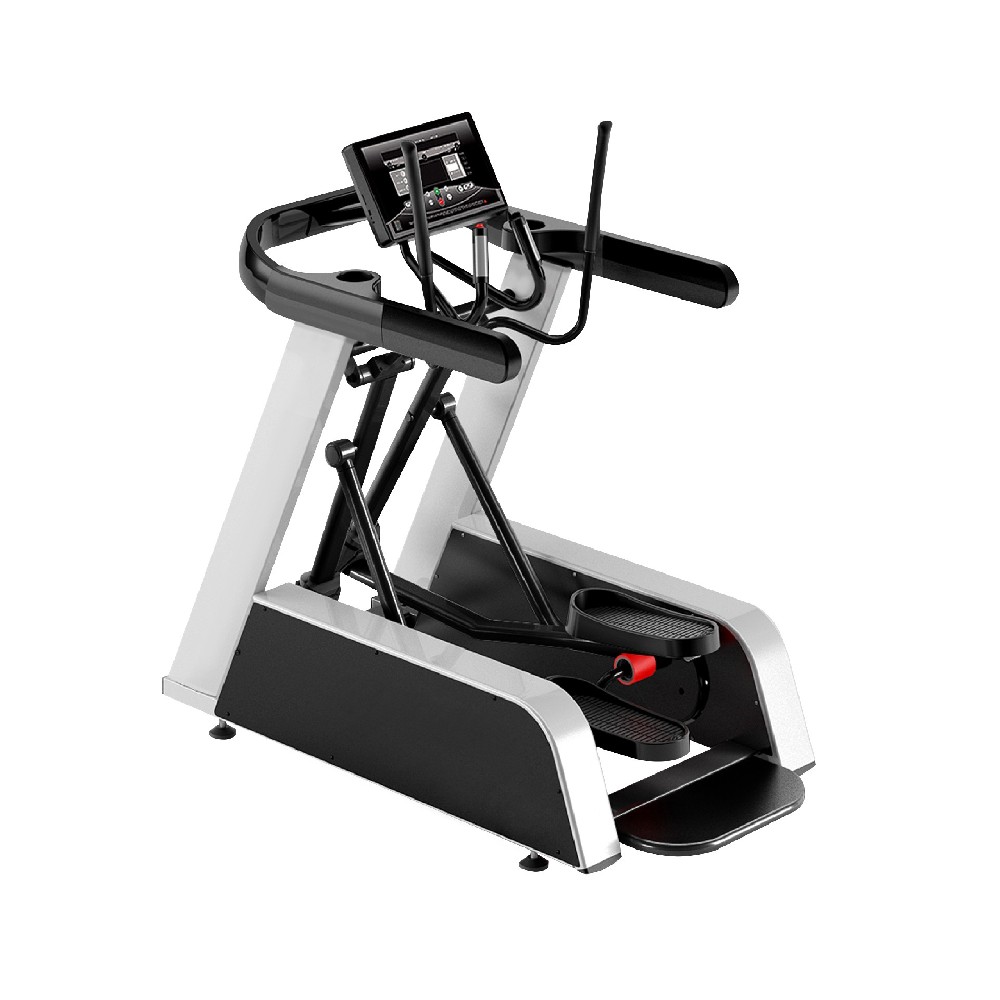
Ellipticals rely on coordinated hand-foot movement. Stand on pedals, grip moving handles—pushing/pulling handles engages upper-body muscles (arms, shoulders, back), while pedals follow an elliptical path to mimic natural walking/running (low joint impact). Most models let you adjust resistance (manual/electronic) to boost intensity, calorie burn, and muscle strength.
Benefits of Using an Elliptical Machine
Low-Impact Exercise
Unlike treadmills or outdoor running, the elliptical’s smooth motion avoids hard joint impacts. This makes it perfect for those with arthritis, joint injuries, or anyone wanting cardio without straining knees, hips, or ankles.
Full-Body Workout
Lower body: Quadriceps, hamstrings, and glutes power pedaling. Upper body: Biceps, triceps, shoulders, and back engage with handle movements. This targets multiple muscle groups efficiently.
Cardiovascular Health Improvement
Elliptical workouts raise heart rate, strengthening the heart over time (it pumps more blood per beat). They also boost circulation, lower blood pressure, and help manage cholesterol (increasing "good" HDL, reducing "bad" LDL), cutting heart disease risk.
Tips to Maximize Fitness Effects
Proper Posture and Form
Stand tall with a straight back, relaxed shoulders, and engaged core. Place feet firmly on pedals (toes slightly outward). Coordinate arms and legs: Push/pull handles smoothly (elbows bent) while pedaling with full leg motion (extend at the bottom, bend at the top) to avoid muscle imbalances.
Adjusting Resistance and Incline
Resistance: Beginners start low to build endurance; gradually increase for more calories burned and strength. Avoid overdoing it to prevent injury.
Incline: Start at 5-10% (mimics uphill walking) to target glutes/hamstrings. Vary incline during workouts to keep muscles challenged.
Interval Training
Alternate high-intensity bursts with low-intensity recovery: Warm up 2 minutes (moderate pace), then 1 minute high-resistance/speed, 2 minutes low-intensity—repeat. This boosts metabolism (calories burn post-workout), improves cardio, and saves time.
Duration and Frequency
Cardio/fitness: 150 mins/week moderate intensity (30 mins, 5 days/week).
Weight loss: 250-300 mins/week moderate or 150 mins/week high-intensity (up to 7 days/week, with rest days).
Muscle building: 2-3 sessions/week (20-30 mins, high resistance) plus strength training.
Common Mistakes to Avoid
Over-Exertion
Pushing too hard too fast causes fatigue, soreness, or injury. Listen to your body—if you can’t talk or feel pain, slow down. Build intensity gradually.
Incorrect Hand and Foot Movements
Avoid independent arm/leg motion (misses full-body benefits) or toe-heavy pedaling (causes discomfort). Sync movements: Push pedals forward as you push handles out; pull legs back as you pull handles in. Distribute weight evenly across feet.
Conclusion
Understanding elliptical basics, benefits, and proper use is key to maximizing results. Its low-impact, full-body workout boosts cardio health—avoiding mistakes like over-exertion and using correct form will elevate your routine. Whether your goal is weight loss, muscle building, or better health, apply these tips. Make the elliptical a regular part of your fitness journey and enjoy a healthier, fitter lifestyle.