If you’re obsessed with the high-energy rush of spin classes and dream of building a community around sweat, music, and motivation, opening a spin studio could be your calling. This guide breaks down the key steps to turn your vision into a successful venture.

First, dive deep into market research. Analyze local demographics: Are there busy professionals craving post-work stress relief? Parents seeking efficient workouts? Students looking for affordable fitness? Study competitors—what gaps exist? Maybe they lack early-morning classes for commuters, or they don’t offer family-friendly pricing. Differentiate with unique selling points: think “silent disco” rides with wireless headphones, themed charity rides (e.g., breast cancer awareness with pink lighting), or partnerships with juice bars for post-workout smoothies.
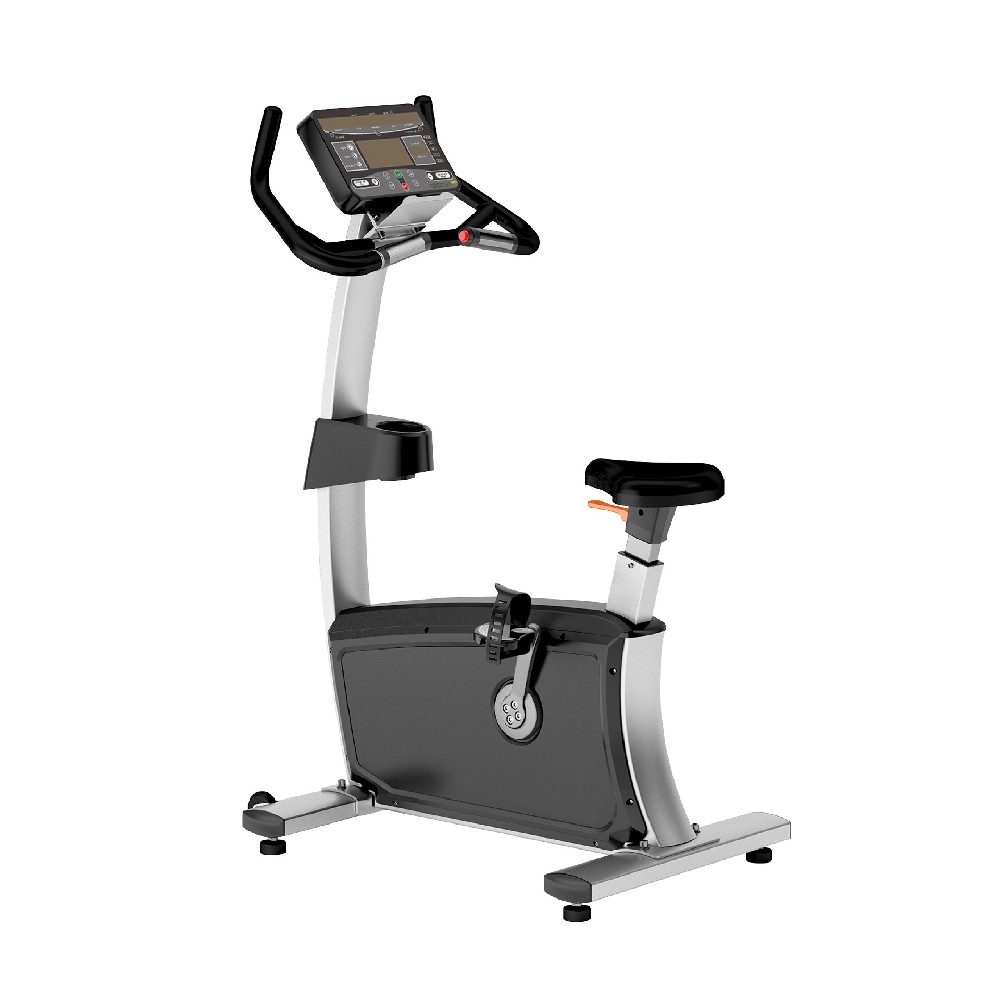
Craft a detailed business plan. Startup costs add up: expect $50,000–$150,000 for essentials like commercial-grade bikes (invest in brands with sturdy frames and smooth resistance), sound systems that pump bass without distortion, and LED lighting that syncs to playlists. Budget for build-out: shock-absorbing flooring to protect knees, mirrors for form checks, and ventilation systems to keep air circulating during 45-minute sweat sessions. Outline recurring costs: rent (aim for 10–15% of revenue), instructor wages, insurance, and bike maintenance. Set pricing strategically—monthly memberships ($100–$200), 10-class packs ($150–$250), and drop-ins ($20–$30) to cater to casual and committed riders.
Secure funding. Explore small business loans (SBA loans are popular for fitness ventures), crowdfunding (offer early memberships as rewards), or partnerships with investors who share your passion. Lenders will scrutinize your plan, so back up projections with data: if 30 bikes at 80% capacity for 10 classes weekly = 240 rides, multiplied by average drop-in price, that’s your baseline revenue.
Choose your location wisely. Visibility matters—storefronts on busy streets or near offices/apartments attract walk-ins. Aim for 1,200–2,500 sq ft: enough for 25–40 bikes, a lobby with retail (branded water bottles, grip socks), gender-neutral restrooms, and a storage area for cleaning supplies. Check zoning laws—some areas restrict noise, so soundproofing might be necessary. Parking or proximity to public transit is a must for convenience.
Design for the ultimate vibe. The studio floor should feel intimate yet energetic: dim main lights with colorful accent LEDs that pulse to music. Invest in a top-tier sound system—bad audio kills the mood. Add a “ride leader” platform so instructors command attention, and install fans or AC powerful enough to combat 30 bodies working out. The lobby should welcome: comfy seating, a digital check-in kiosk, and walls decked with client photos to build community.
Hire and retain star instructors. Certifications (e.g., Schwinn, Mad Dogg Athletics) are non-negotiable, but personality is key. Look for people who can read a room—pushing hard during peak hours, easing up for morning “recovery rides.” Train them to mix formats: endurance rides, HIIT intervals, and “hill climbs” with resistance tweaks. Offer incentives: performance bonuses, free memberships, or opportunities to lead specialty classes.
Market to build buzz. Launch a sleek website with online booking (use software like Mindbody or ClassPass integration). Post engaging social content: short clips of instructors hyping up classes, before/after stories from regulars, and behind-the-scenes of playlist creation. Run pre-launch promotions: “Founding Member” discounts (50% off first 3 months) or free trial classes for local influencers. Partner with gyms, offices, and schools for corporate membership deals.
Launch with momentum. Host a grand opening weekend: free classes, instructor meet-and-greets, and swag bags (branded towels, discount codes). Collect feedback via surveys—adjust class times or add amenities (like showers) based on input. Build loyalty with a rewards program: earn points for referrals or attending 10 classes, redeemable for free rides or merch.
Prioritize long-term success. Maintain bikes weekly to avoid breakdowns—nothing frustrates riders more than a stuck resistance knob. Keep studios spotless: wipe down bikes after each class, restock grip socks, and launder towels daily. Engage the community with monthly events: “ride and wine” nights, weight loss challenges, or charity fundraisers where proceeds go to local nonprofits.
Starting a spin studio blends passion with pragmatism. With careful planning, a focus on community, and a commitment to delivering unforgettable rides, you’ll create a space where people don’t just work out—they belong.