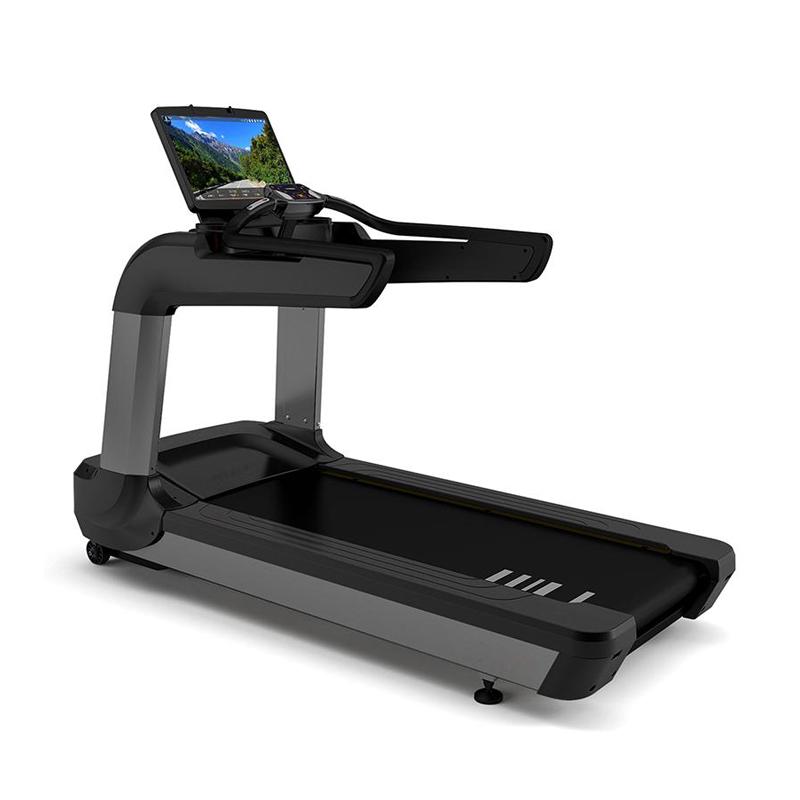
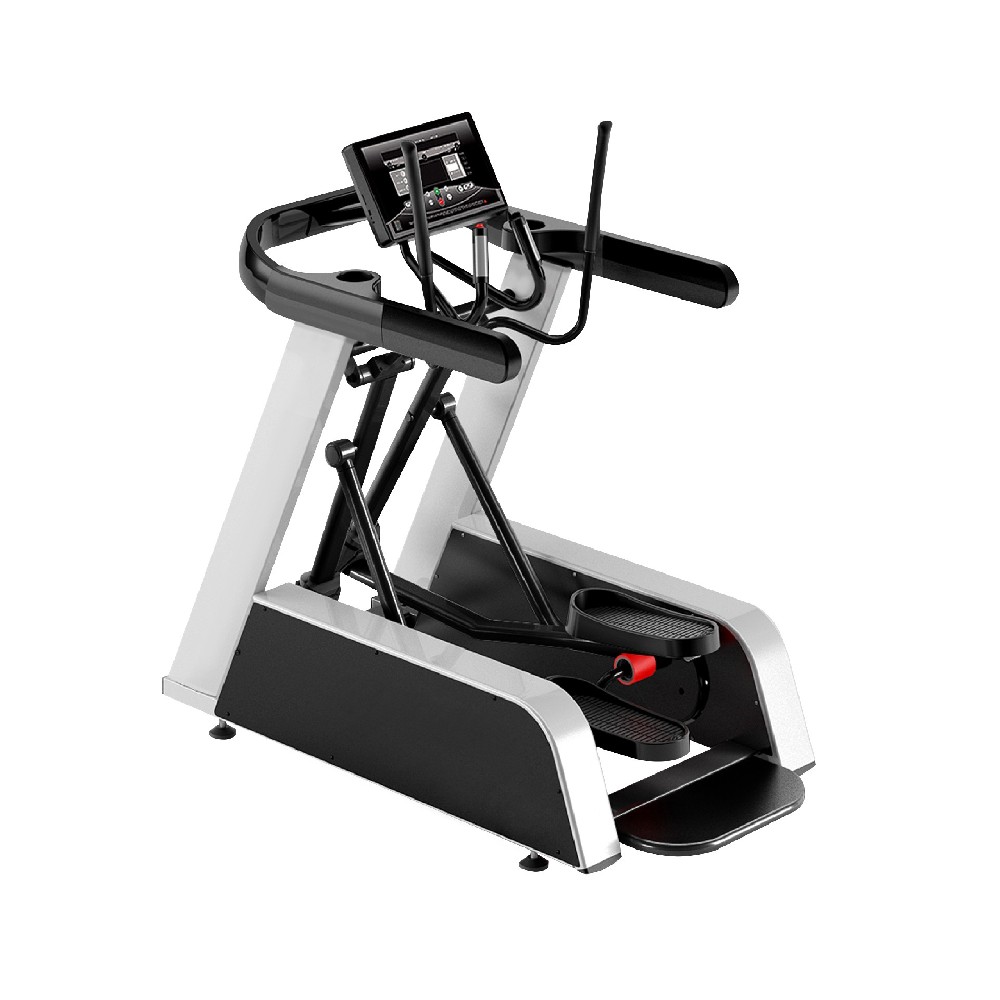
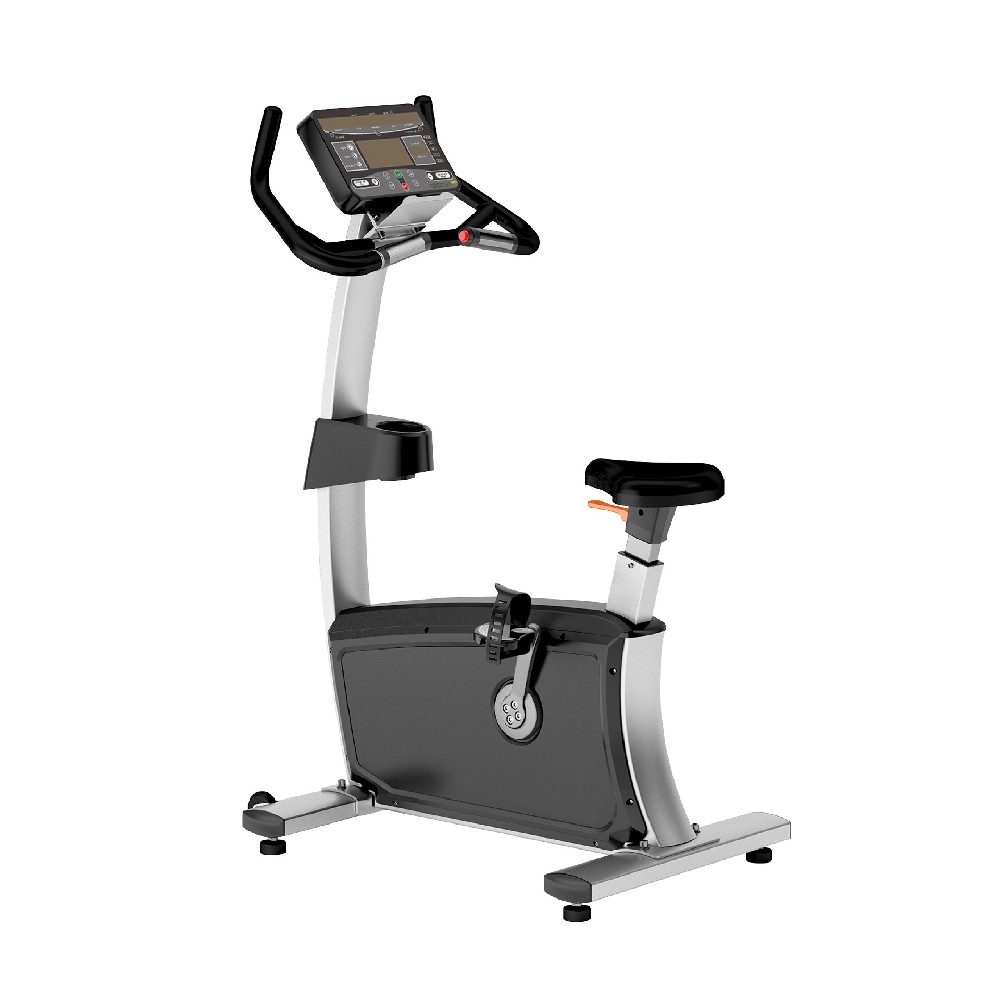
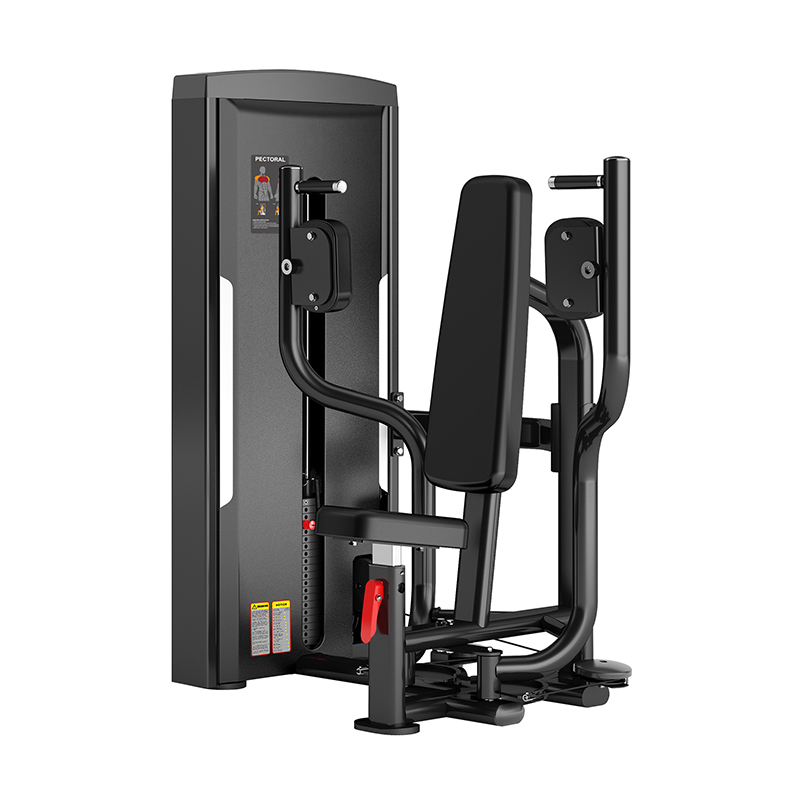
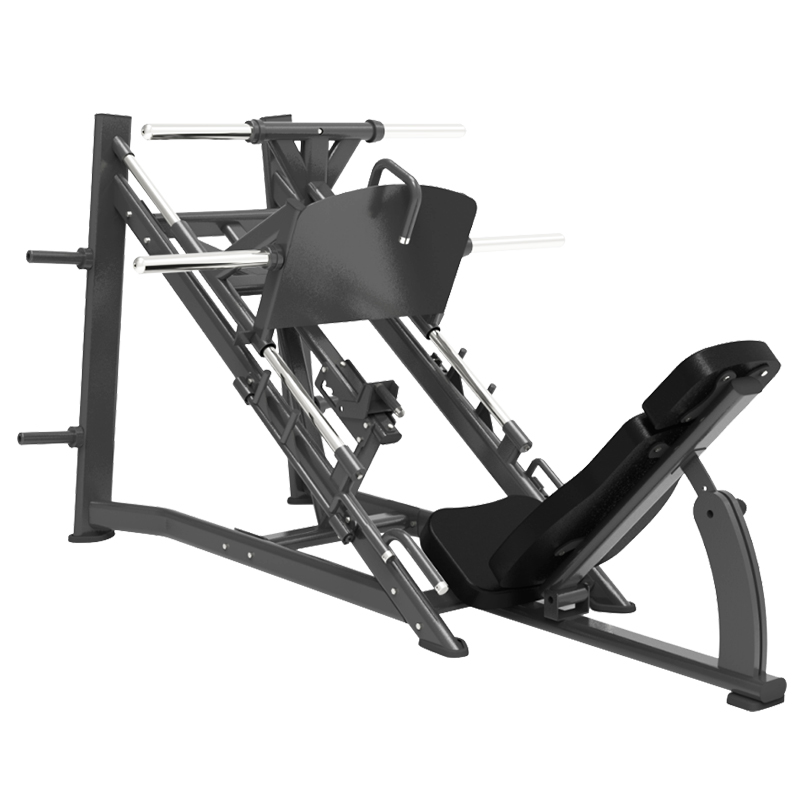
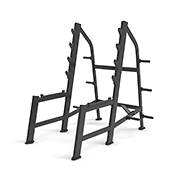
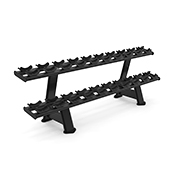
When stepping into a gym, one of the first choices you’ll face is: free weights (like dumbbells, barbells, or kettlebells) or fixed machines (such as leg presses, chest flyes, or lat pulldowns)? Both have loyal fans, but understanding their key differences is the first step to building an effective routine. Let’s break down what sets them apart—and how to pick what works for you.

The Core Differences: It’s More Than Just “Equipment Type”
The gap between free weights and machines isn’t just about how they look—it changes how your body moves, the muscles you target, and even your risk of injury.
First, stability and muscle engagement. Free weights don’t lock you into a fixed path. When you lift a dumbbell for a shoulder press, for example, you’re not just working your delts—your core, back, and even your legs kick in to keep you balanced. This builds “functional strength”—the kind you use in daily life, like carrying groceries or lifting a kid. Machines, by contrast, guide your movement along a preset track. They reduce the need for stabilizing muscles, which lets you focus more intensely on the “target muscle” (e.g., your quads on a leg extension).
Second, adjustability and progression. Free weights are flexible: a single set of dumbbells can be used for squats, rows, or lunges, and you can easily bump up weight by grabbing a heavier pair. Machines, however, often have weight stacks that let you tweak resistance in small increments (5 lbs at a time), which is great for gradual progression—no need to fumble with adding plates.
Third, safety and learning curve. For beginners, machines are more forgiving. Since the movement is controlled, you’re less likely to mess up form (and hurt yourself) compared to free weights, which require proper technique (think: keeping your back straight during a deadlift). That said, machines can limit natural movement patterns over time—overusing them might make real-world tasks feel harder.
How to Choose: Match the Tool to Your Goals
There’s no “winner” here—only what fits your needs. Here’s how to decide:
If you’re new to the gym: Start with machines. They help you learn basic movement patterns (e.g., how to push for a chest workout) without overwhelming your stabilizers. Once you feel confident (usually 4–6 weeks), add free weights to build functional strength.
If your goal is muscle growth (hypertrophy): Mix both. Machines let you isolate muscles to “finish” them (e.g., using a bicep curl machine after barbell curls to fatigue your arms). Free weights, meanwhile, trigger more muscle fibers overall—critical for growth.
If you want to boost strength or athleticism: Prioritize free weights. Exercises like squats, deadlifts, and overhead presses work multiple muscle groups at once, mimicking the movements you use in sports (running, jumping) or daily life.
If you’re recovering from injury: Stick to machines (with a trainer’s okay). Their controlled path reduces stress on joints, making them safer for healing bodies. Avoid free weights until your physical therapist clears you.
Final Tip: Don’t Overcomplicate It
The best routine is the one you’ll stick to. If free weights feel intimidating at first, there’s no shame in starting with machines. If you love the challenge of lifting barbells, keep at it—just make sure your form is on point (ask a trainer for a check-in!).
At the end of the day, both free weights and machines can help you reach your goals. The key is knowing when to use each—and staying consistent.