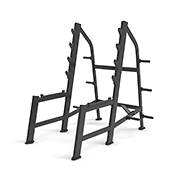
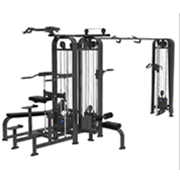
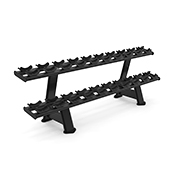
When stepping into a gym, the first dilemma many people face is choosing between free weights (like dumbbells, barbells, and kettlebells) and fixed equipment (such as leg presses, chest fly machines, and lat pulldowns). Both have their unique advantages, but the key to effective training lies in matching them to your goals, experience level, and body needs. Let’s break down their core differences and help you pick the right option.

Core Differences: Functionality and Muscle Engagement
Free weights require you to stabilize your body throughout each movement. For example, when doing a dumbbell bench press, you not only work your chest, shoulders, and triceps but also engage your core and back muscles to keep the weights balanced. This “full-body activation” helps build functional strength—strength that translates to real-life activities, like lifting groceries or carrying a child.
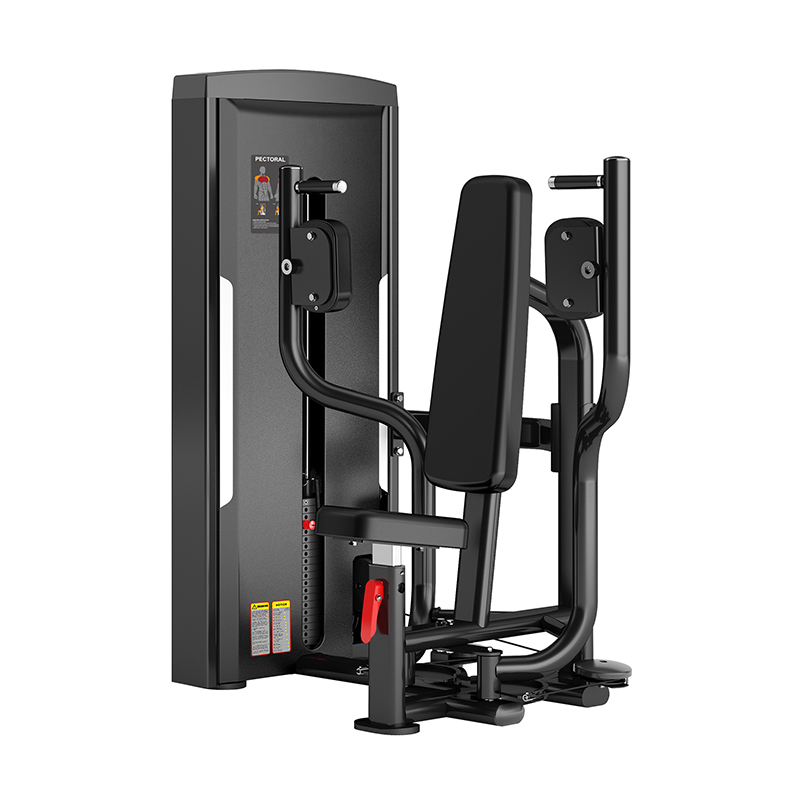
Fixed equipment, on the other hand, follows a preset path. Machines guide your movements, which means you don’t have to focus as much on stabilization. This makes them great for isolating specific muscles. For instance, a leg curl machine targets your hamstrings without putting extra strain on your knees or lower back.
Safety: What Matters for Beginners and Pros
If you’re new to working out, fixed equipment often feels safer. The guided motion reduces the risk of injury from poor form—common when beginners struggle to control free weights. Machines also let you start with lighter weights and gradually increase resistance, making it easier to build confidence.
But that doesn’t mean free weights are unsafe. With proper form (learned through a trainer or reliable tutorials), they’re just as secure. In fact, free weights can improve your overall stability over time, which lowers the risk of injuries in daily life. Advanced lifters often prefer free weights because they allow for more variation in movements, keeping workouts challenging.
Goals: Muscle Growth, Strength, or Convenience?
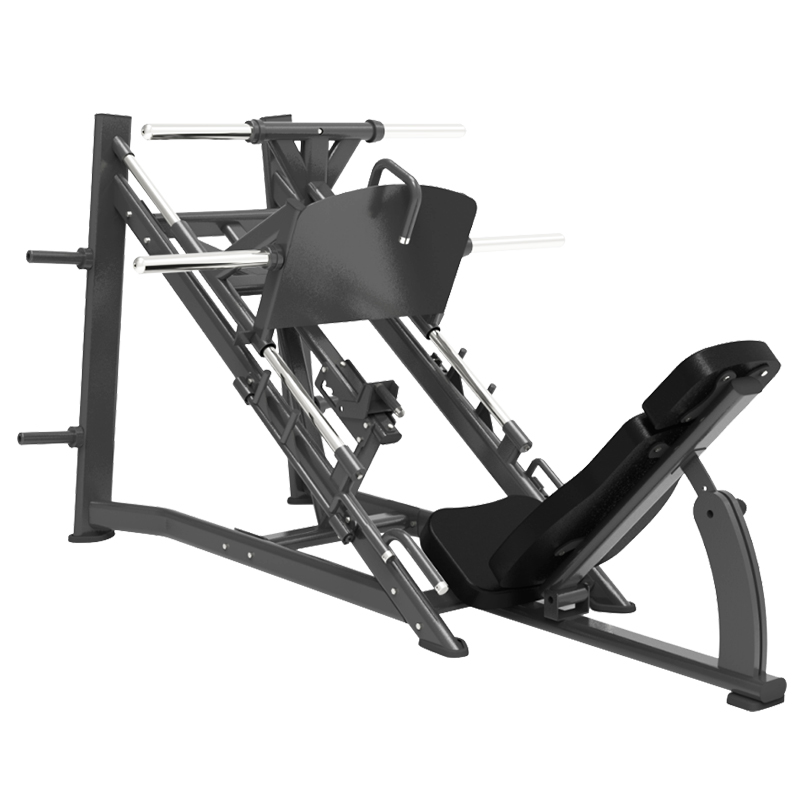
Your fitness goals should drive your choice. If you want to build muscle mass (hypertrophy), both work—but machines let you target muscles more precisely, while free weights engage more muscle groups at once. For example, a barbell squat works your quads, glutes, core, and back, while a leg press machine focuses mainly on your quads and glutes.
If raw strength is your aim, free weights are king. Compound movements like deadlifts and overhead presses with free weights force your body to work harder, leading to bigger gains in overall strength. Machines can still help, but they don’t push your stabilizer muscles as much.
Convenience is another factor. Fixed equipment is often easier to use—you can jump on a machine, adjust the settings, and start working out in seconds. Free weights may require more setup (like loading plates onto a barbell) and take longer to master. But many gym-goers prefer free weights for their flexibility—you can modify movements to fit your body type or avoid injuries.
The Verdict: It’s Not Either/Or
The best approach isn’t to choose one over the other—it’s to combine them. For beginners, start with machines to learn proper form and build a foundation. Once you’re comfortable, add free weights to boost functional strength and muscle engagement. Advanced lifters can use machines to target weak points and free weights for compound lifts.
At the end of the day, the “right” choice is the one that keeps you consistent. If you enjoy using machines more, stick with them—consistency beats perfect equipment every time. If free weights feel more rewarding, go for it. The goal is to find a routine that fits your lifestyle and helps you reach your fitness targets.