When setting up a fitness space, choosing between commercial and home gym equipment often comes down to more than just price. These two categories are designed for distinct environments, usage patterns, and user needs. Understanding their core differences can help you make an informed decision, whether you’re equipping a gym or building a home workout corner.

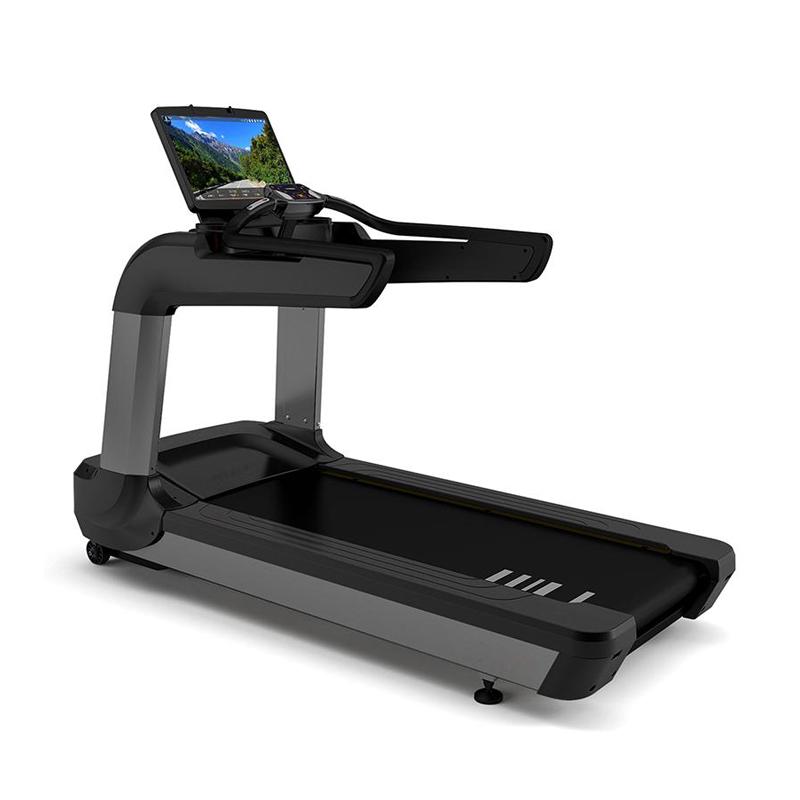
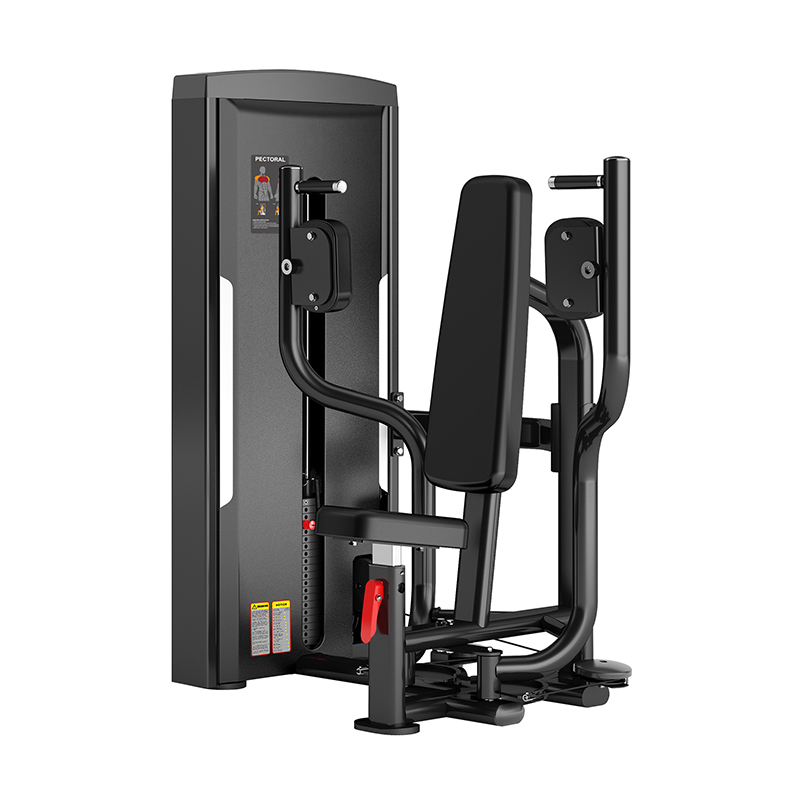
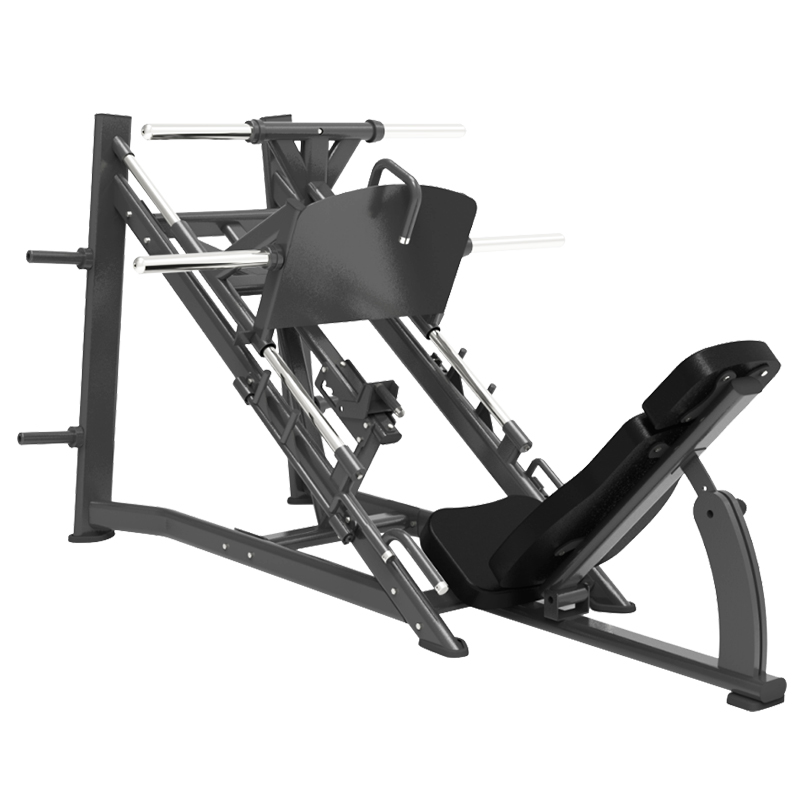
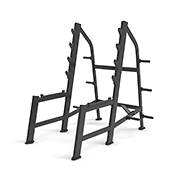
Durability: Built for Volume vs. Occasional UseCommercial equipment is engineered to withstand relentless daily use. Gyms, hotels, and fitness centers see hundreds of users weekly—squat racks, treadmills, and cable machines must endure heavy loads, frequent adjustments, and constant movement. They’re constructed with thick steel frames, reinforced joints, and industrial-grade motors (for cardio machines) to resist wear and tear.
Home equipment, by contrast, is designed for lighter, less frequent use. A home treadmill might handle 5–10 hours of use weekly, so manufacturers prioritize compactness and cost over maximum durability. Materials are still sturdy but often lighter, with motors and frames scaled down to fit household needs.
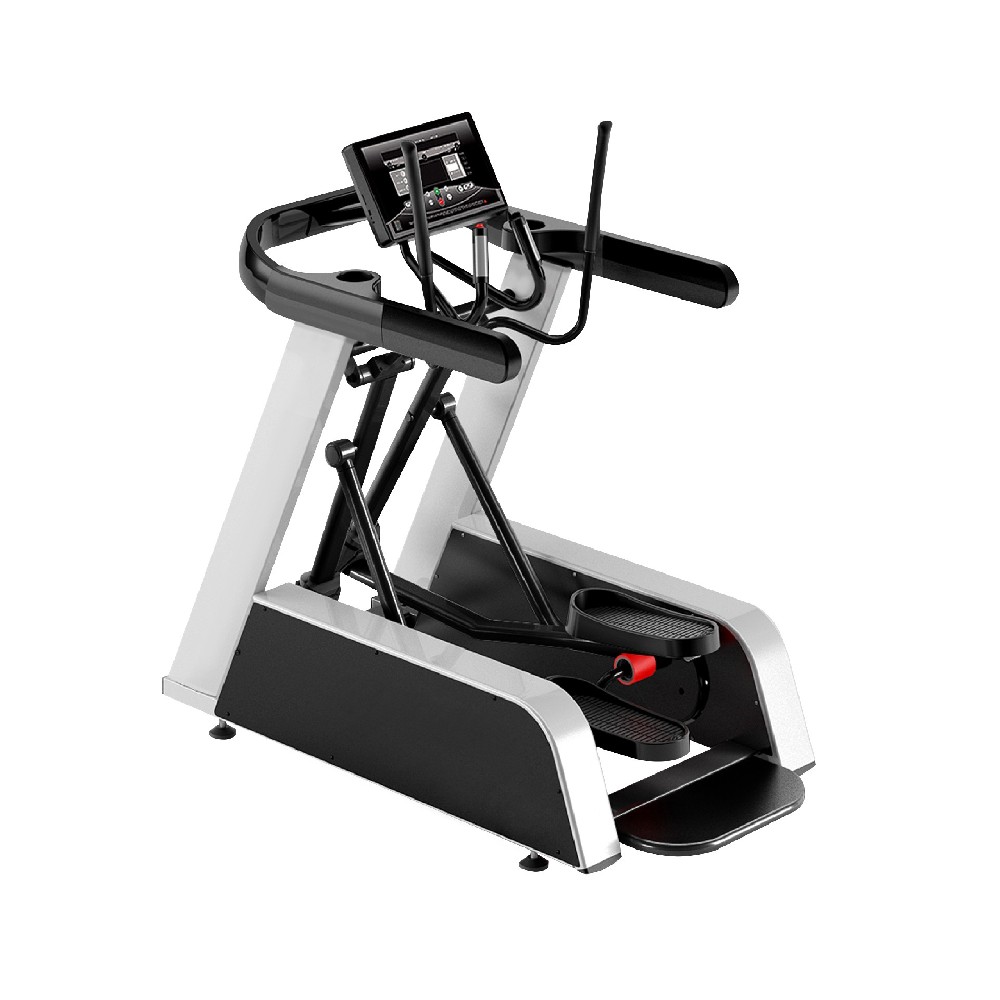
Size and Space: Maximizing Utility vs. Saving RoomCommercial gear tends to be bulkier and heavier. Machines like commercial ellipticals or multi-station weight racks prioritize functionality over space, offering features like adjustable seats, multiple resistance levels, and larger weight stacks to accommodate diverse users. They’re meant for spacious facilities, not tight home corners.
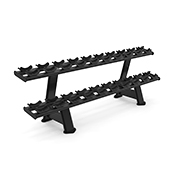
Home equipment focuses on space efficiency. Foldable treadmills, compact dumbbell sets, and wall-mounted pull-up bars are common, designed to fit in garages, spare rooms, or even living areas. Many home machines combine multiple functions (e.g., a bench that converts to a squat rack) to save space without sacrificing versatility.
Cost: Long-Term Investment vs. Budget-Friendly OptionsCommercial equipment comes with a higher price tag, reflecting its durability and advanced features. A commercial-grade treadmill can cost 2–5 times more than a home model, but it’s a long-term investment for businesses relying on reliability to avoid frequent replacements.
Home gear is more budget-friendly, with options ranging from affordable resistance bands to mid-range cardio machines. The focus is on accessibility, making fitness equipment attainable for individuals without the need for commercial-level performance.
Features: Versatility for All vs. Personal PreferenceCommercial machines prioritize universal usability. They offer wide weight ranges, adjustable settings (e.g., incline, seat height), and intuitive controls to suit users of all sizes and fitness levels. Safety features like emergency stop buttons on treadmills or secure weight pin locks are also non-negotiable in high-traffic settings.
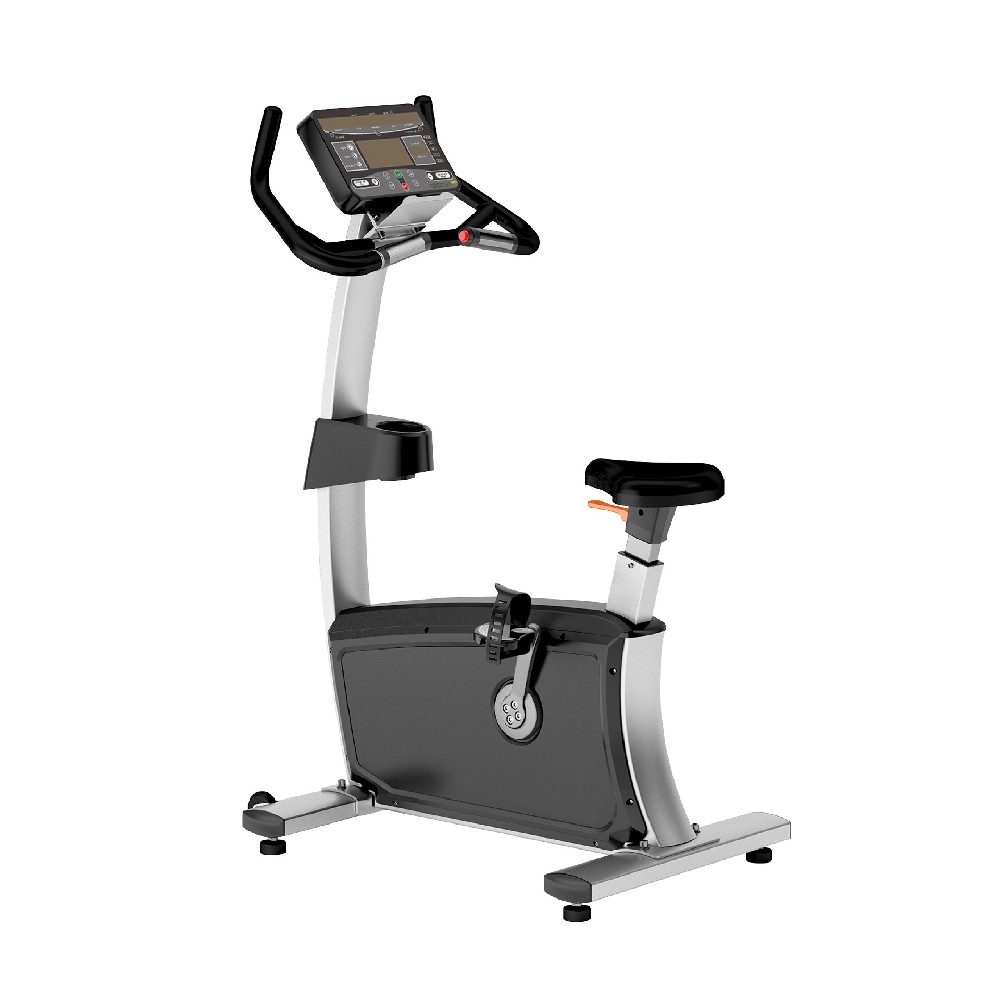
Home equipment often caters to personal routines. It may lack some adjustability but includes features tailored to individual goals—like built-in workout apps on home bikes or compact dumbbells with quick weight changes for solo strength training.
Maintenance: Professional Upkeep vs. DIY CareCommercial equipment requires regular professional maintenance to keep up with heavy use. Gyms often have service contracts for motor tune-ups, lubrication, and part replacements.
Home gear is designed for easy, DIY maintenance. Most models come with simple care instructions—like wiping down surfaces or tightening bolts—so users can keep them in good shape without professional help.
In summary, commercial equipment is a workhorse built for durability, volume, and versatility, while home gear prioritizes space, cost, and personal convenience. Knowing your usage frequency, space constraints, and budget will guide you to the right choice—whether you’re outfitting a gym or creating your home fitness haven.