Stepping into a gym’s strength training area can feel overwhelming for beginners. Rows of machines, weights, and unfamiliar gear often lead to confusion—or even avoiding strength work altogether. But understanding key equipment doesn’t have to be hard. This guide breaks down the most common strength tools, how to use them, and why they matter for your fitness goals.

Dumbbells & Barbells: The Foundations
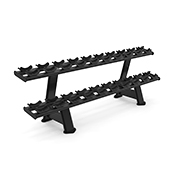
Dumbbells are the most versatile tools for beginners. They allow unilateral (single-arm/leg) movements, which improve balance and target muscle imbalances. Start with exercises like dumbbell shoulder presses (3 sets of 12 reps) or goblet squats—hold a dumbbell at chest level while squatting—to build lower body strength.
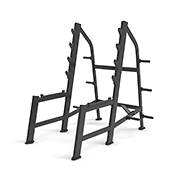
Barbells, paired with weight plates, are ideal for compound movements (exercises working multiple muscle groups). The back squat (targets quads, glutes) and bent-over barbell rows (lats, upper back) are foundational. Beginners should start with an empty bar (45 lbs/20 kg) to master form before adding weight.
Machine Basics: Safe & Targeted Training
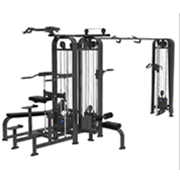
Machines are perfect for newbies because they stabilize your body, reducing injury risk.
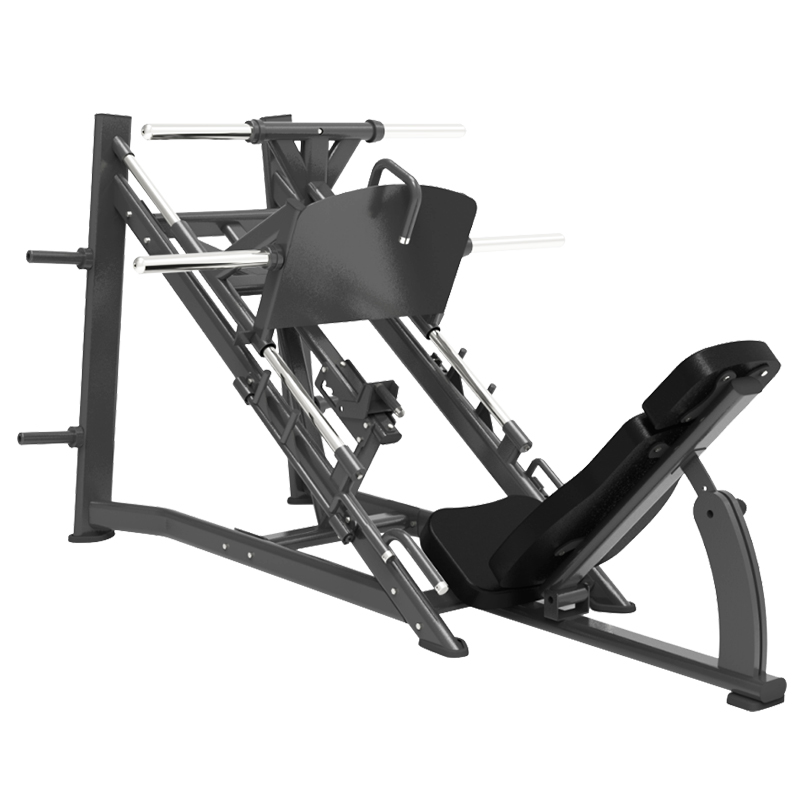
Leg Press Machine: Sit with feet shoulder-width on the platform. Push forward until legs are almost straight (avoid locking knees), then lower slowly. Great for building leg strength without spinal pressure.
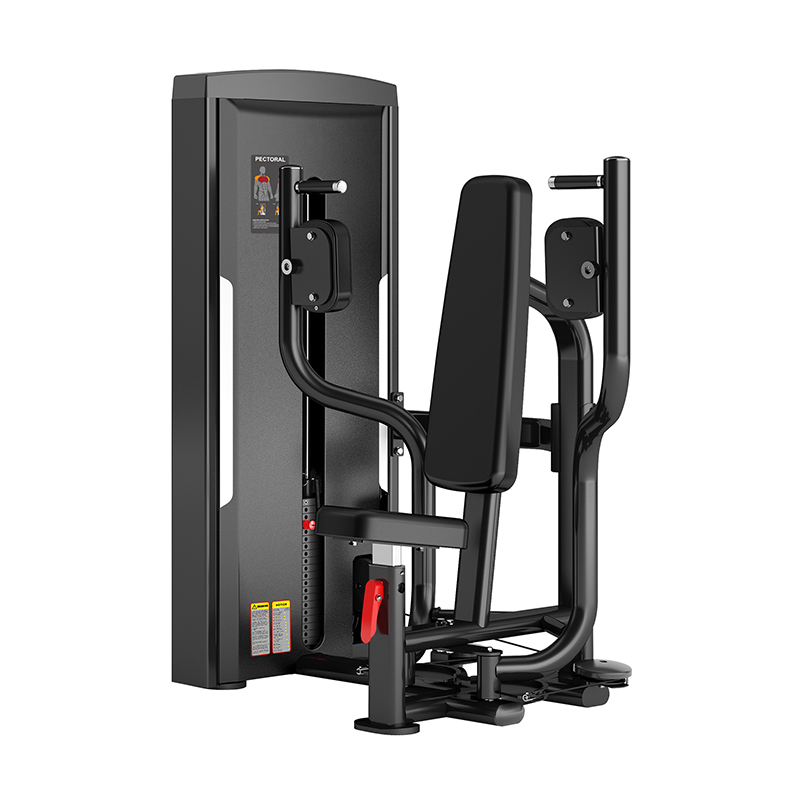
Chest Press Machine: Adjust the seat so handles align with your chest. Push forward, squeeze your chest, and return. Ideal for targeting chest, shoulders, and triceps.
Lat Pulldown Machine: Grip the bar wider than shoulders. Pull it down to your upper chest, engaging your back muscles, then release. Perfect for building a strong, defined back.
Key Safety Tips
Start Light: Prioritize form over weight to avoid injury.
Ask for Help: Most gyms offer free orientations—trainers can adjust machines and correct your technique.
Warm Up First: 5–10 minutes of cardio (jumping jacks, brisk walking) prepares muscles for work.
Strength training boosts metabolism, builds muscle, and improves overall health. With this guide, you’ll confidently navigate the gym floor and make every rep count. Remember: consistency beats complexity—start small, and progress will follow!