Many fitness enthusiasts think building muscle and losing fat are mutually exclusive—you have to choose one first. But the truth is, "body recomposition" (the term for simultaneous muscle gain and fat loss) is totally achievable with the right science-backed strategies. Whether you’re a beginner or stuck in a fitness plateau, this guide will break down actionable steps to help you sculpt your ideal body without sacrificing progress.

Nail Your Nutrition: The Foundation of Body Recomposition
Nutrition is non-negotiable here. Unlike traditional bulk or cut phases, you need a slight calorie deficit (10-15% below your maintenance level) to lose fat while eating enough protein to build muscle. Aim for 1.6-2.2 grams of protein per kilogram of body weight daily—this preserves muscle mass and keeps you full. For example, a 70kg person should eat 112-154g of protein daily (think chicken breast, eggs, Greek yogurt, or protein powder).
Don’t skip carbs and fats! Carbs fuel your workouts (opt for oats, sweet potatoes, or quinoa), while healthy fats (avocado, nuts, olive oil) support hormone balance—critical for muscle growth and fat loss. Spread your meals evenly throughout the day to keep your metabolism active and prevent muscle breakdown.
Train Smart: Combine Strength and Cardio
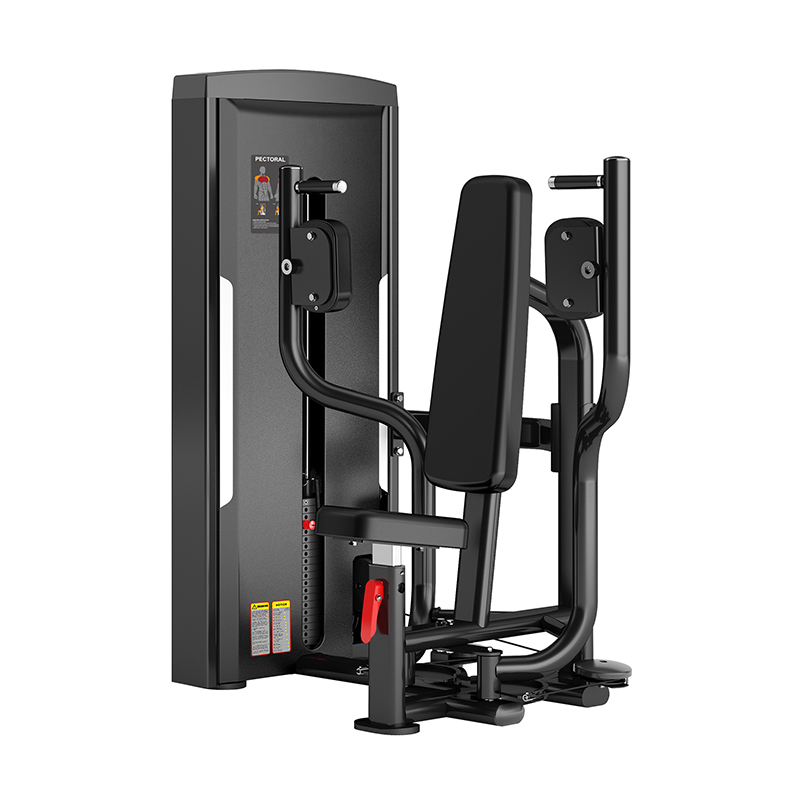
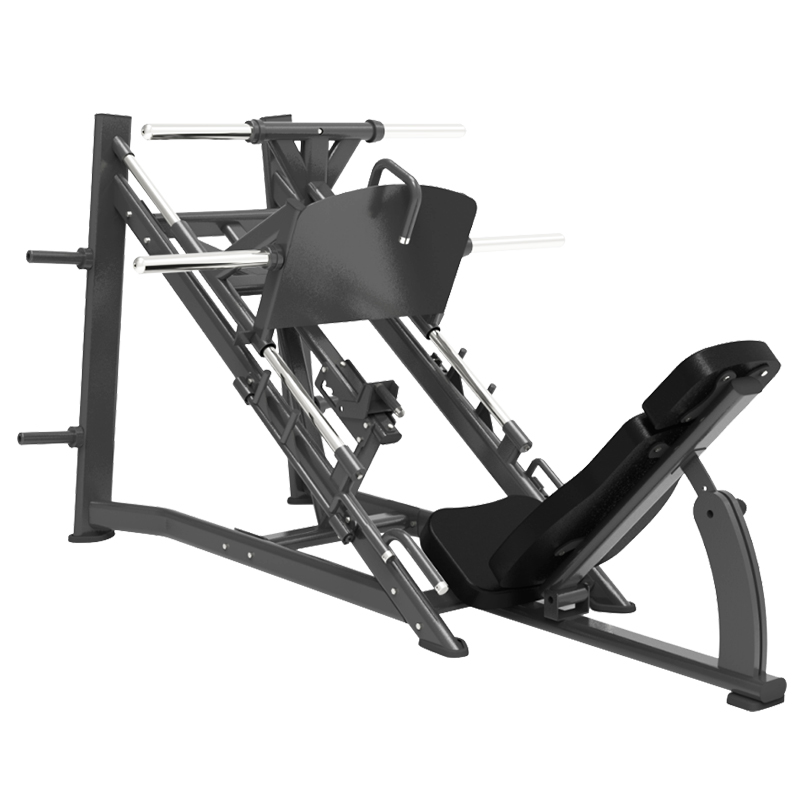
Strength training is the star of body recomposition. Focus on compound movements (squats, deadlifts, bench presses, rows) that work multiple muscle groups at once—they more muscle growth and burn more calories than isolation exercises. Aim for 3-4 strength sessions per week, with 3 sets of 8-12 reps per exercise (this rep range is ideal for muscle hypertrophy).
Add low-intensity steady-state (LISS) cardio 2-3 times a week (like brisk walking, cycling, or swimming) to boost fat loss without burning too many calories that could be used for muscle growth. Avoid excessive high-intensity interval training (HIIT)—it can increase cortisol levels (a stress hormone that breaks down muscle) if overdone.
Prioritize Recovery: Muscle Grows When You Rest
You don’t build muscle in the gym—you build it while resting. Aim for 7-9 hours of quality sleep nightly—during sleep, your body releases growth hormone, which aids muscle repair and fat loss. If you skimp on sleep, you’ll likely crave junk food and have less energy for workouts, derailing your progress.
Take 1-2 rest days per week to let your muscles recover. Active recovery (like yoga or light stretching) can reduce soreness and keep blood flowing without straining your body. Also, manage stress—high cortisol levels can increase belly fat storage and hinder muscle growth. Try meditation, deep breathing, or hobbies you enjoy to unwind.
Track Progress and Adjust
Body recomposition takes time—don’t expect results in a week. Track your progress by taking weekly progress photos, measuring your waist/arm/leg circumference, and checking how your clothes fit (scale weight can be misleading, as muscle is denser than fat). If you’re not seeing changes after 2-3 weeks, adjust your calorie intake (slightly increase or decrease) or tweak your workout routine (add weight, change exercises).
Remember, consistency is key. Stick to your nutrition, training, and recovery plan, and be patient—over time, you’ll see a leaner, more muscular physique.
In conclusion, building muscle and losing fat at the same time isn’t a myth—it’s a science. By balancing your diet, focusing on strength training, resting properly, and tracking your progress, you can efficiently shape your ideal body. Start implementing these strategies today, and watch your fitness journey transform!