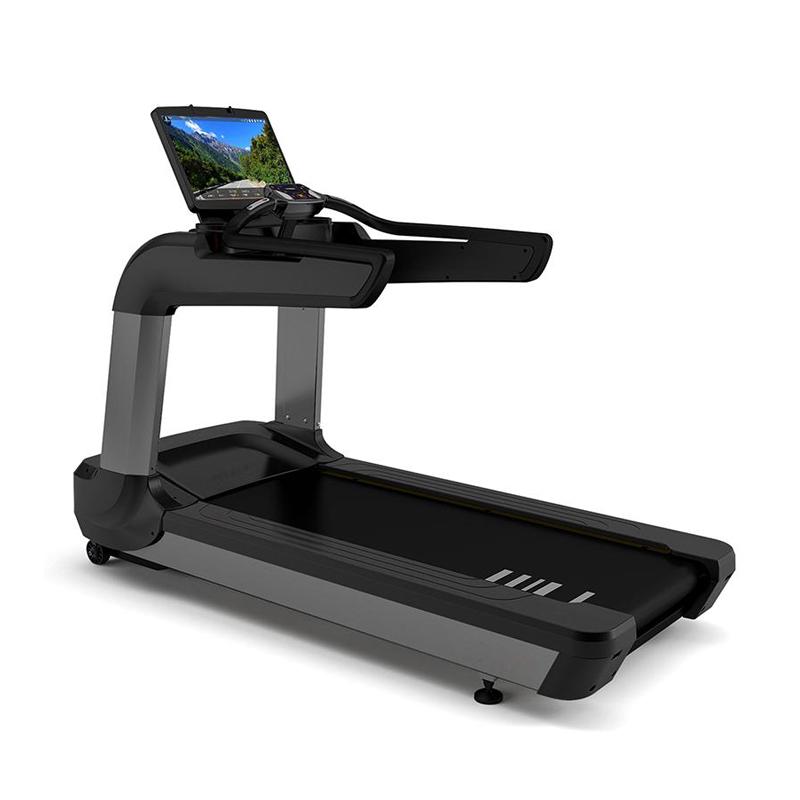
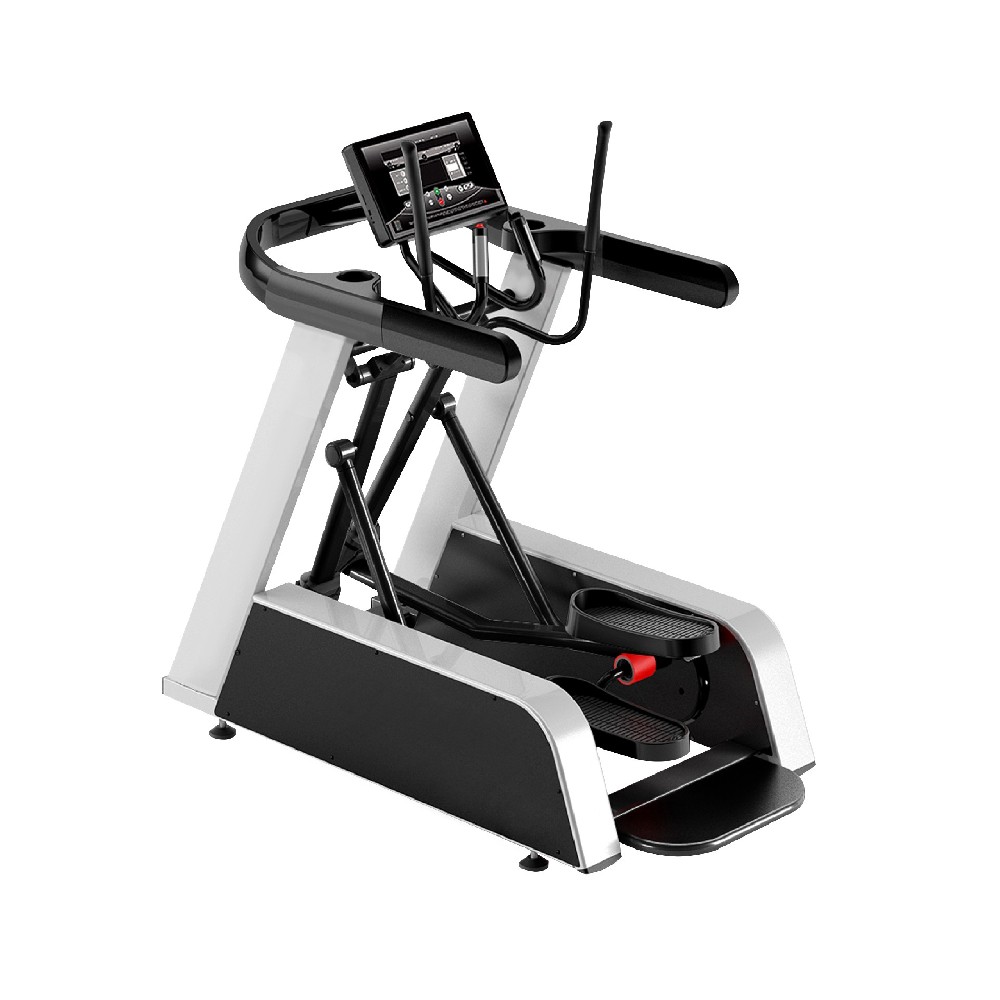
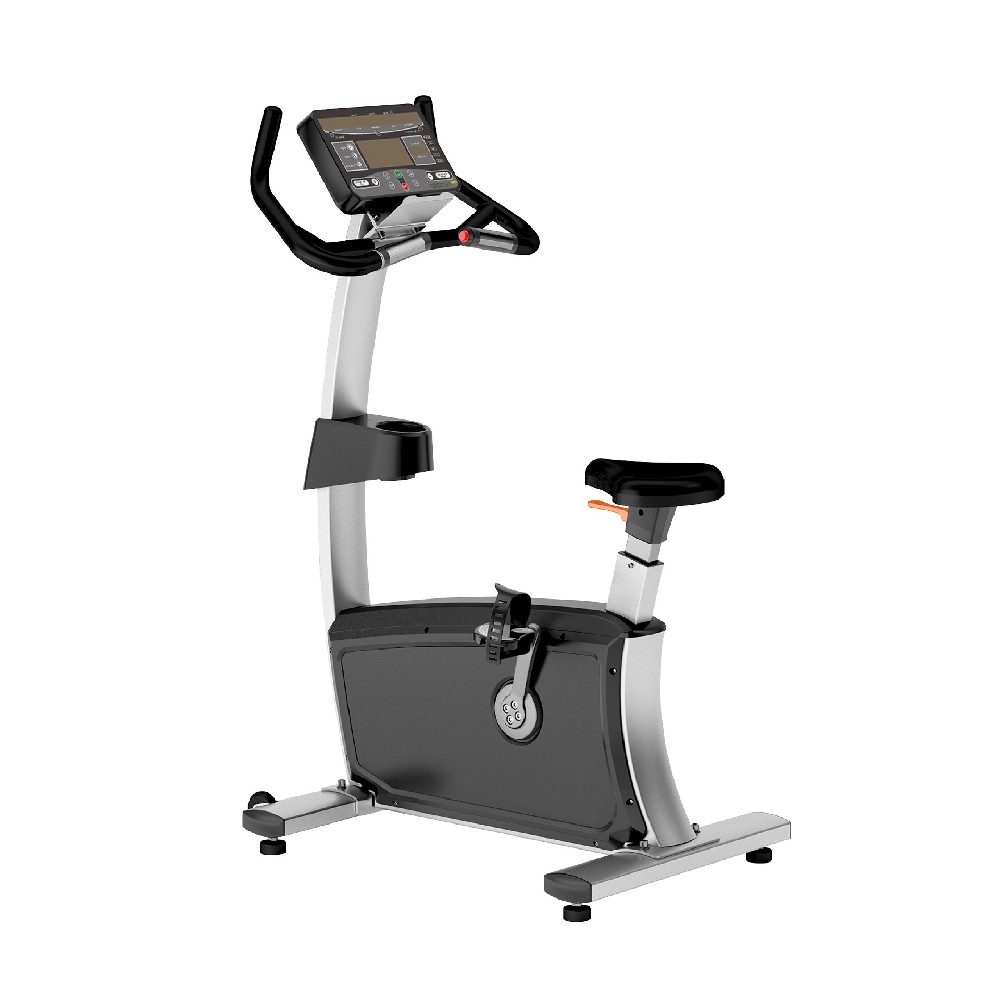
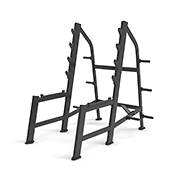
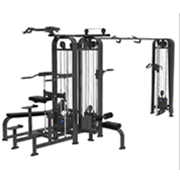
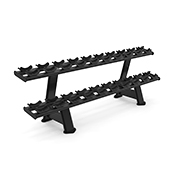
When setting up a fitness routine, choosing between commercial and home gym equipment is a critical decision. While both serve the same core purpose—helping you exercise—they’re designed with fundamentally different goals and environments in mind.

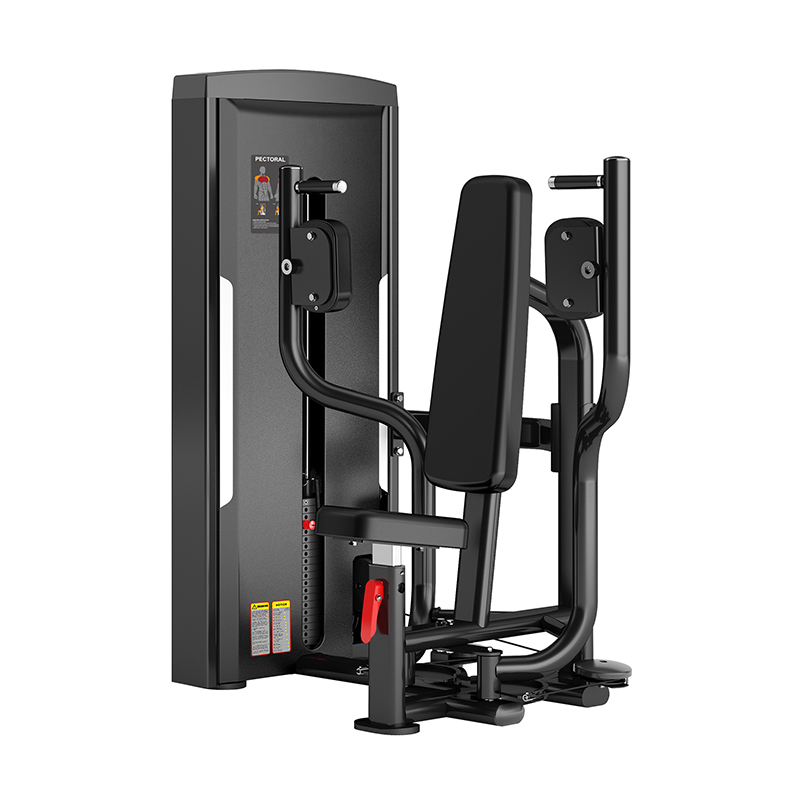
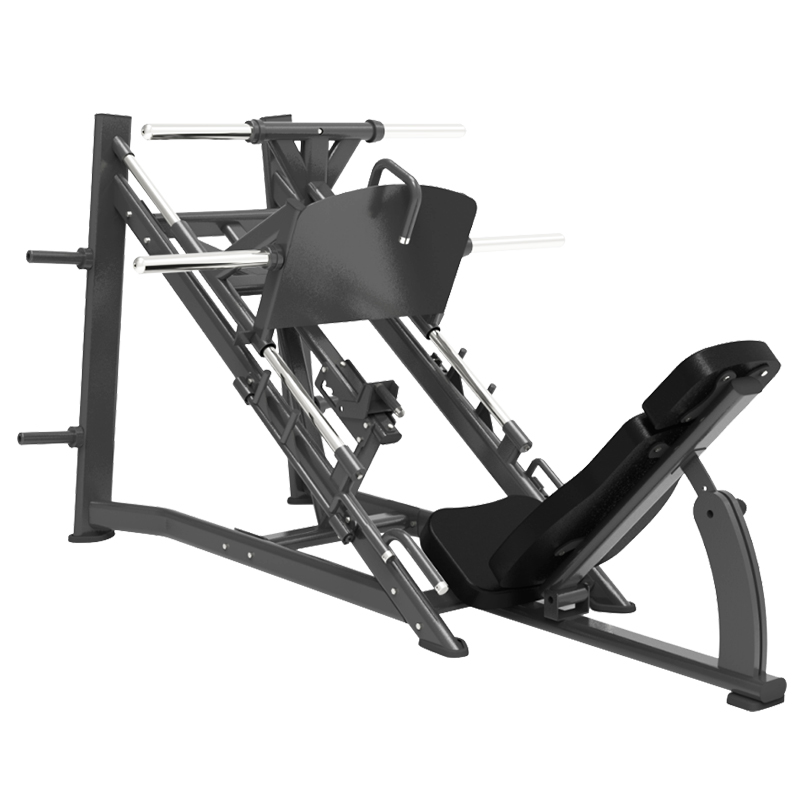
Durability stands as the most significant distinction. Commercial equipment, found in gyms and fitness centers, is built to withstand constant, heavy use from multiple users daily. Constructed with reinforced steel frames, industrial-grade motors, and heavy-duty components, these machines often come with lifetime warranties on structural parts. In contrast, home equipment prioritizes compactness over extreme durability, using lighter materials to fit residential spaces while still meeting individual usage demands.
Cost structures differ dramatically. Commercial-grade machines carry premium price tags, reflecting their robust construction and advanced features. A single commercial treadmill can cost 5-10 times more than a home model. Home equipment manufacturers focus on affordability, offering scaled-down versions of professional machines with essential functions at accessible prices.
Functionality and features separate the two categories. Commercial machines typically offer more customization options, with a wider range of resistance levels, workout programs, and adjustable settings to accommodate diverse user needs. They also tend to have larger weight stacks and more ergonomic designs for extended use. Home equipment, while functional, often streamlines features to save space and reduce costs, focusing on versatility—like multi-purpose machines that combine several exercises in one.
Space requirements represent another key difference. Commercial equipment is generally bulkier and heavier, designed for spacious gym floors. Home machines prioritize space efficiency, with foldable designs, compact footprints, and storage-friendly features crucial for apartments or small homes.
Maintenance considerations vary too. Commercial equipment requires regular professional maintenance to keep up with heavy usage, often including scheduled inspections and part replacements. Home equipment, with lighter usage, needs less frequent upkeep, with simpler maintenance procedures that owners can handle themselves.
Understanding these differences helps consumers make informed choices. Commercial equipment excels in high-traffic, professional settings where longevity and performance are paramount. Home equipment offers convenience and affordability for personal use in residential environments. Your choice ultimately depends on your space, budget, usage frequency, and fitness goals.