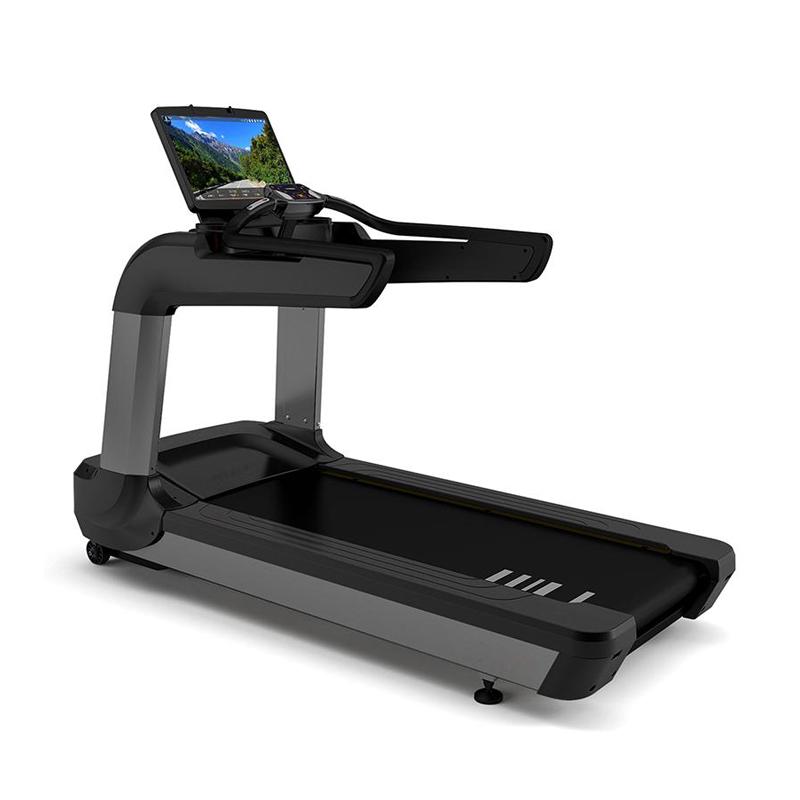
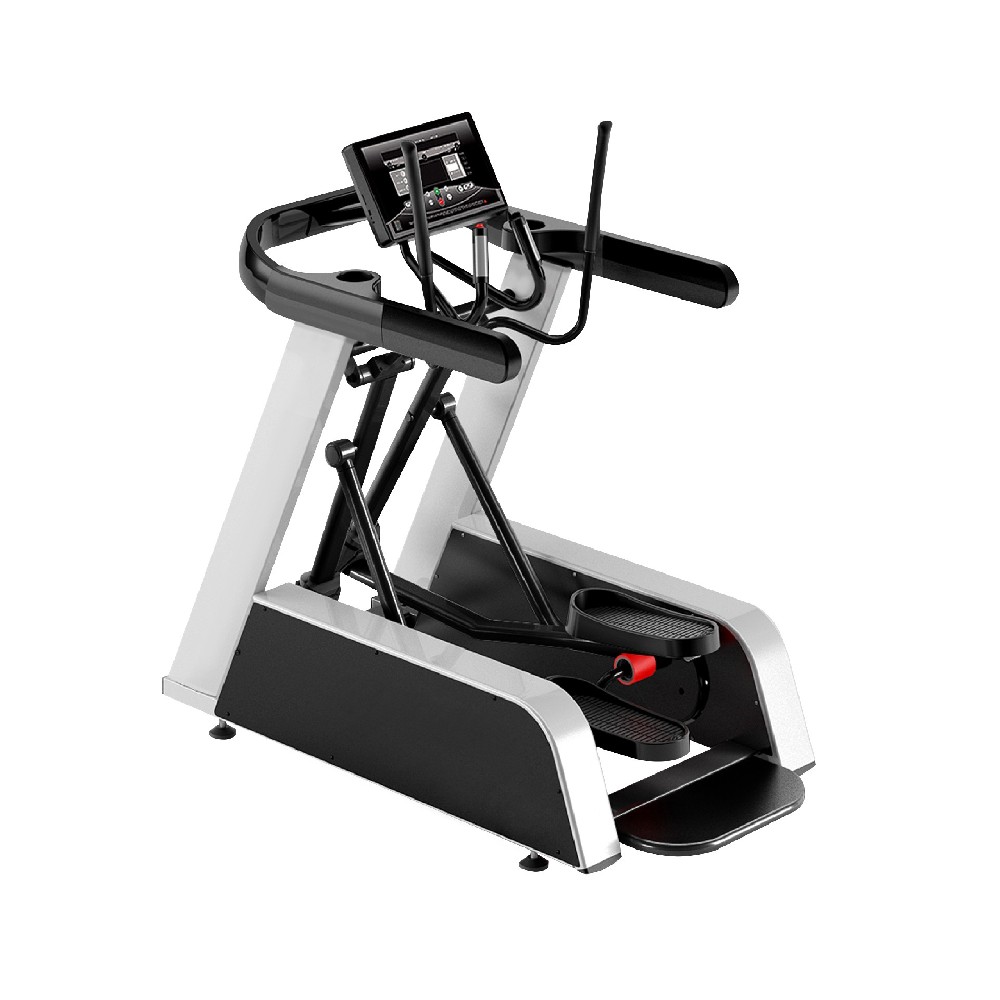
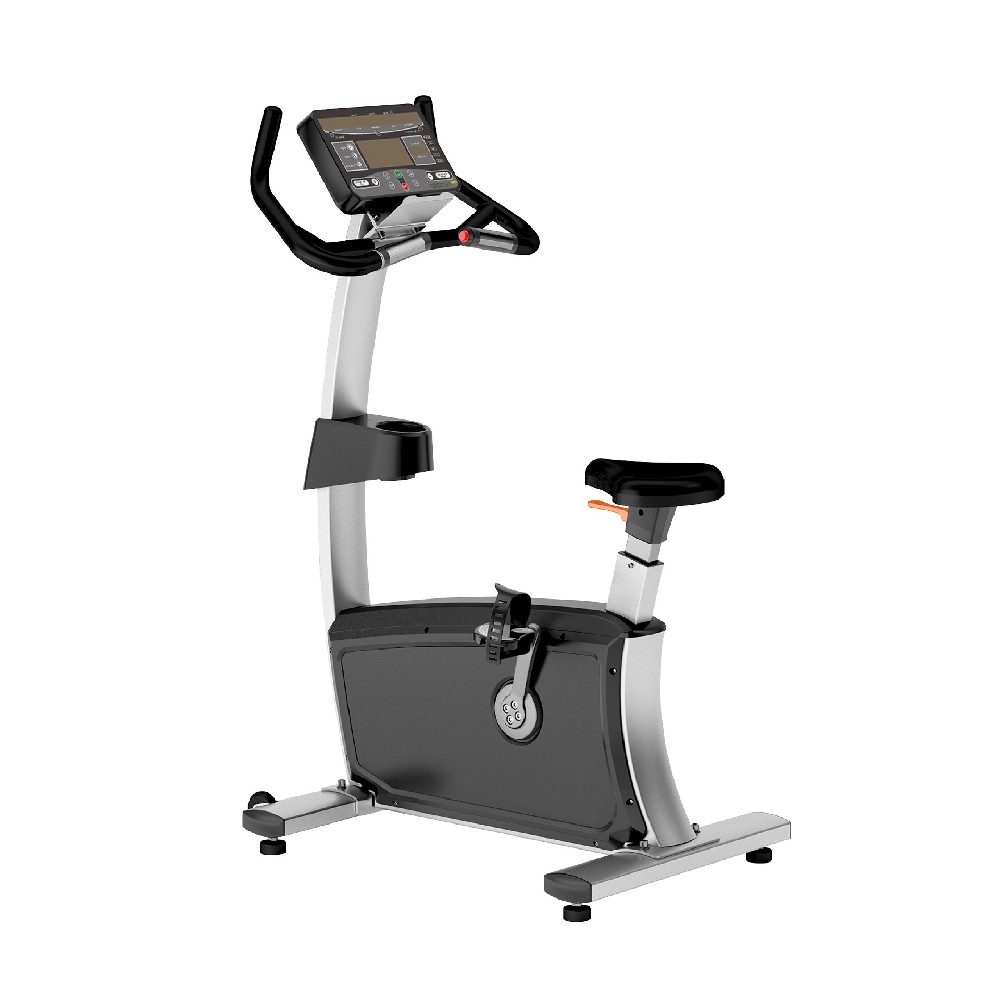
If you’re new to the gym or thinking about upgrading your home workout setup, you’ve probably wondered: Is strength training equipment a smart investment? Let’s break down its key benefits, real-world limitations, and easy fixes to help you make the most of your routine.

The Clear Advantages of Strength Equipment
First, the pros that make equipment a go-to for many:
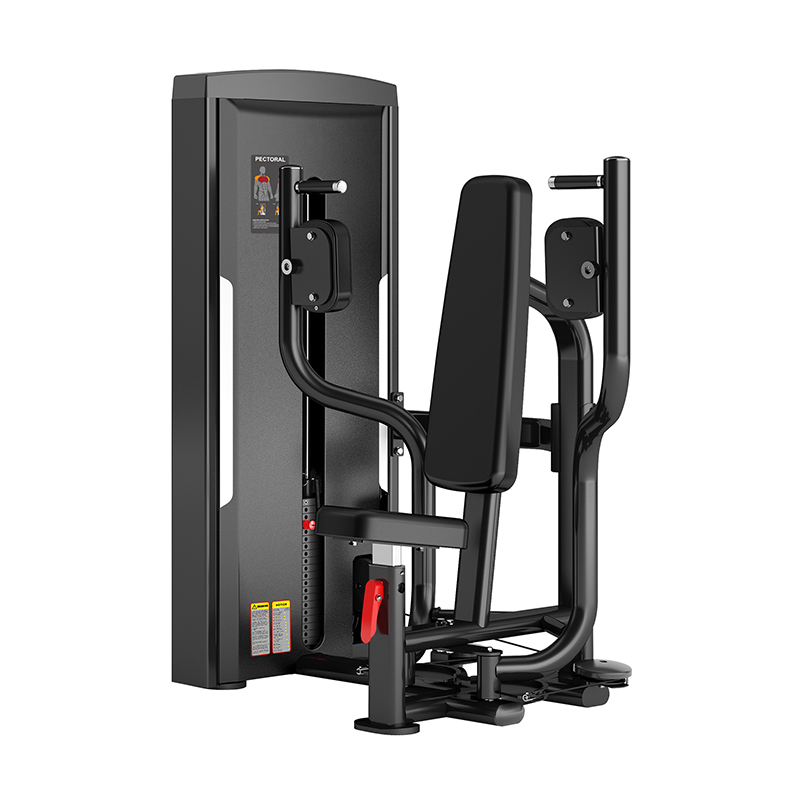
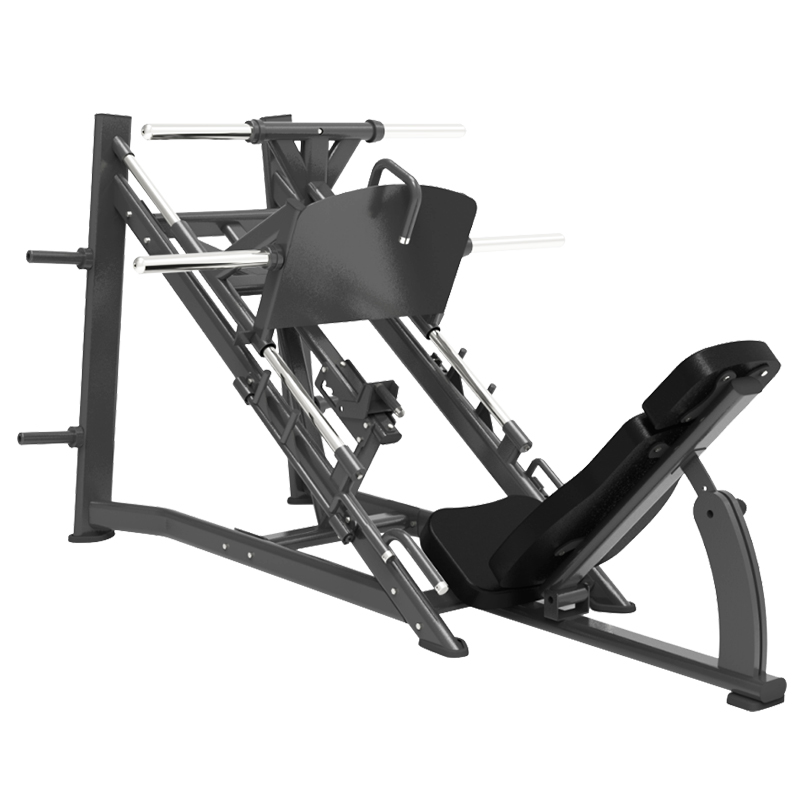
Targeted Muscle Growth: Machines like leg presses or chest flyes lock in movement paths, so you can focus tension on specific muscle groups (e.g., quads, pecs) without straining other areas. This is perfect for beginners learning proper form or anyone aiming to build size in a particular spot.
Safety for Newbies: Unlike free weights (dumbbells, barbells) that require balance and core stability, most machines have built-in supports. This lowers the risk of strains or falls—critical if you’re still mastering basic lifts.
Consistent Progression: Many machines let you adjust weight in small increments (5-10 lbs at a time). This makes it easy to track progress, a big motivator for sticking to long-term goals.
Time Efficiency: You can jump from one machine to the next with minimal setup, cutting down on rest time. A 30-minute machine circuit can hit all major muscle groups—great for busy schedules.
The Limitations to Watch For
It’s not all upside. Here are the drawbacks to consider:
Less Functional Strength: Machines often restrict natural movement (e.g., a seated shoulder press vs. a standing overhead press). This means you might build muscle but struggle with real-life tasks, like lifting groceries or carrying a kid.
Risk of Plateaus: Your body adapts quickly to fixed machine paths. After 4-6 weeks, you may notice slower gains unless you switch up your routine.
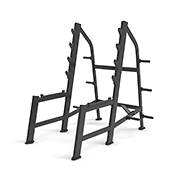
Cost & Space: Home machines (like a full squat rack) take up room and can cost $500+. Gym memberships (to access quality equipment) add up too—usually $30-$50 monthly.
Overlooking Stabilizer Muscles: Machines handle most of the balance work, so smaller muscles (e.g., those in your core or back) get less activation. Over time, this can lead to muscle imbalances.
How to Optimize Your Equipment Workouts
The good news? You can fix these issues with simple tweaks:
Mix Machines with Free Weights: Pair a leg curl machine (for hamstrings) with bodyweight squats (for functional strength). This balances targeted growth and real-world fitness.
Change Your Routine Every 4 Weeks: Adjust weight, reps, or machine types (e.g., switch from a seated row to a cable row) to avoid plateaus.
Add Stabilizer Drills: After machine sets, do 5-10 minutes of planks or glute bridges to engage those smaller muscles.
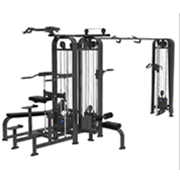
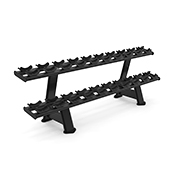
Choose Multi-Use Machines for Home: If space is tight, opt for a adjustable dumbbell set or a cable machine—they work for multiple exercises (bicep curls, tricep pushdowns, rows) in one.
Final Verdict
Strength training equipment is absolutely worth trying—especially if you’re new, short on time, or focused on specific muscle goals. It’s safe, easy to use, and delivers results when paired with smart adjustments. Just don’t rely on machines alone: mix in free weights or bodyweight moves to keep your workouts effective and functional.
Whether you’re hitting the gym or setting up a home space, the key is to find a balance that fits your lifestyle. Give it a shot—your muscles (and energy levels) will thank you!