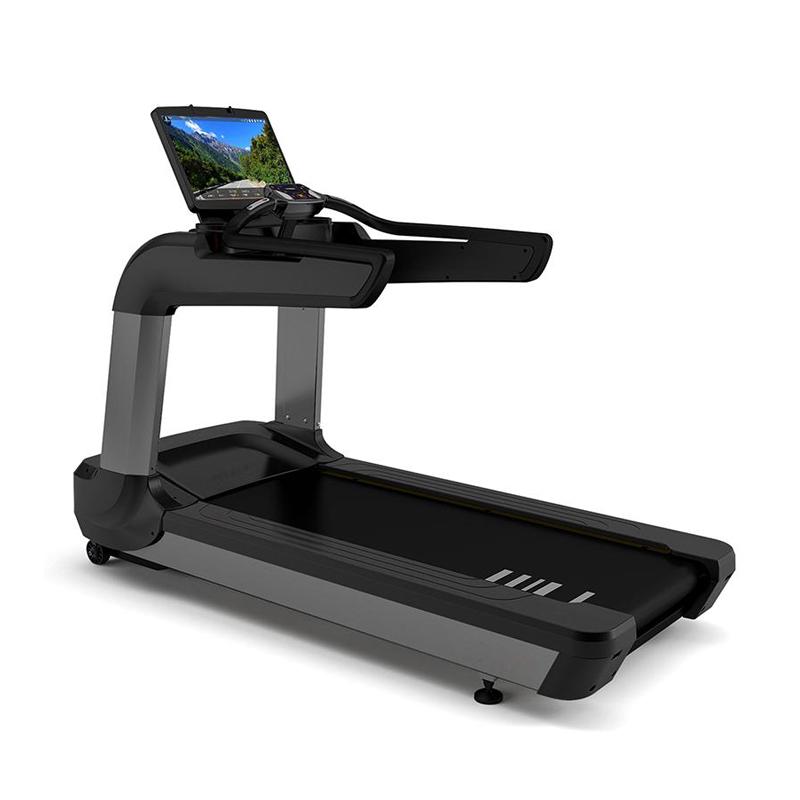
When you step onto a treadmill, the speed setting isn’t just a number—it’s a gateway to distinct fitness outcomes. Whether your goal is to boost endurance, burn fat, build muscle, or improve cardiovascular health, choosing the right speed can make or break your workout. Understanding how treadmill speed correlates with training modes is key to maximizing your time at the gym or in your home workout space.

Let’s start with low speeds, typically ranging from 2 to 3.5 mph (3.2 to 5.6 km/h). This speed bracket is ideal for active recovery and beginner workouts. For those new to fitness, starting at a slow pace helps the body adapt to movement, reduces the risk of injury, and builds confidence. It’s also perfect for post - intense workout recovery days. When your muscles are sore, a slow walk on the treadmill increases blood flow, delivering oxygen and nutrients to tired tissues, which speeds up healing. Additionally, this speed is great for people looking to maintain mobility without putting too much stress on joints, such as older adults or those recovering from minor injuries.
Moving up to moderate speeds, around 4 to 6 mph (6.4 to 9.7 km/h), we enter the steady - state cardio zone. This is the sweet spot for most people aiming to improve heart health and burn calories. At this pace, you’ll be breathing more heavily than at a walk, but still able to hold a conversation—a common indicator that you’re in the moderate intensity range. Steady - state cardio on the treadmill for 30 to 60 minutes a few times a week can lower blood pressure, improve cholesterol levels, and enhance overall stamina. It’s also a popular choice for those looking to lose weight, as it burns a consistent number of calories over an extended period. For example, a 150 - pound (68 - kg) person can burn approximately 300 to 400 calories in 30 minutes at 5 mph.
High speeds, usually 7 mph (11.3 km/h) and above, are designed for interval training and speed development. Interval training involves alternating short bursts of high - speed running with periods of rest or slow walking. This method is highly effective for boosting metabolism, increasing anaerobic capacity, and burning more calories in less time. Research shows that interval training can lead to greater improvements in fitness compared to steady - state cardio in the same amount of time. For advanced athletes, high - speed treadmill sessions can help improve race pace and sprint speed. However, it’s important to approach high speeds with caution—proper warm - up (5 to 10 minutes of slow walking or jogging) is essential to prevent muscle strains or other injuries.
It’s also worth noting that treadmill speed isn’t a one - size - fits - all metric. Factors like age, fitness level, and body composition play a role in determining the right speed for each individual. A 25 - year - old athlete might find 8 mph to be a moderate jog, while a 50 - year - old beginner could consider 4 mph a challenging workout. Listening to your body is crucial—if you feel pain or excessive fatigue, it’s time to slow down or stop.
In conclusion, the secret to a successful treadmill workout lies in understanding how speed impacts your training mode. Whether you’re recovering, building endurance, or chasing speed, adjusting your treadmill speed to match your goals will help you get the most out of every session. So next time you hop on a treadmill, take a moment to set the speed that aligns with your fitness objectives—and watch as your workouts become more effective and enjoyable.