If you’ve ever stepped into a gym or scrolled through fitness tips online, you’ve probably asked: Which burns more fat—lifting weights or doing cardio like running or cycling? It’s a common question, but the answer isn’t as simple as picking one over the other. Both strength training and aerobic exercise play unique roles in fat loss, and understanding their differences can help you build a more effective routine.

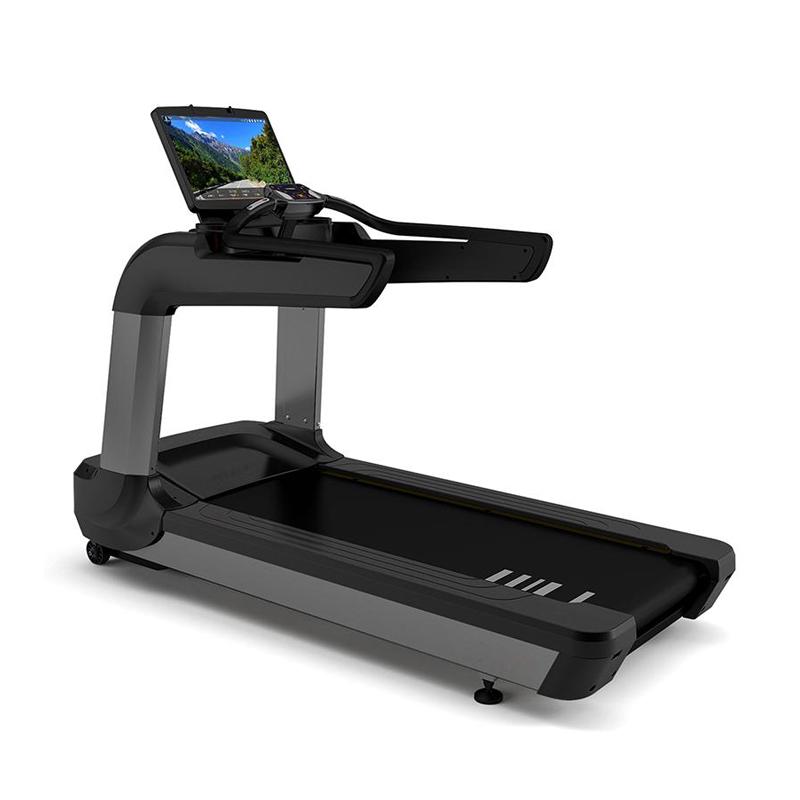
Let’s start with the immediate burn. Aerobic exercise, like a 30-minute jog or a spin class, gets your heart rate up and burns calories fast. During a typical cardio session, your body uses stored glycogen (carb energy) first, then shifts to fat as fuel—especially if you keep the intensity moderate. This is why many people see quick calorie counts on cardio machines and assume it’s the best for fat loss. For example, a 155-pound person can burn around 298 calories in 30 minutes of jogging, compared to about 112 calories in 30 minutes of light weightlifting. On the surface, cardio seems like the winner here.
But strength training has a secret weapon: the afterburn effect, or excess post-exercise oxygen consumption (EPOC). When you lift weights, you’re not just moving muscles—you’re breaking down muscle fibers. Your body needs extra energy to repair these fibers, and this process keeps your metabolism elevated for hours (even days) after your workout. This means you’re burning calories long after you’ve put down the dumbbells. Over time, strength training also builds lean muscle mass, and muscle tissue burns more calories at rest than fat tissue. So, even when you’re sitting on the couch, more muscle means more fat burned.
Another key factor is sustainability. Let’s be honest: hours of steady-state cardio (like jogging on a treadmill) can get boring fast. Many people start strong but quit after a few weeks because they don’t enjoy it. Strength training, on the other hand, offers variety—you can switch up exercises, weights, or rep ranges to keep things interesting. Plus, seeing progress (like lifting heavier weights or noticing more muscle definition) can be a bigger motivator than watching a calorie counter. When you stick to a routine consistently, you’re more likely to lose fat and keep it off.
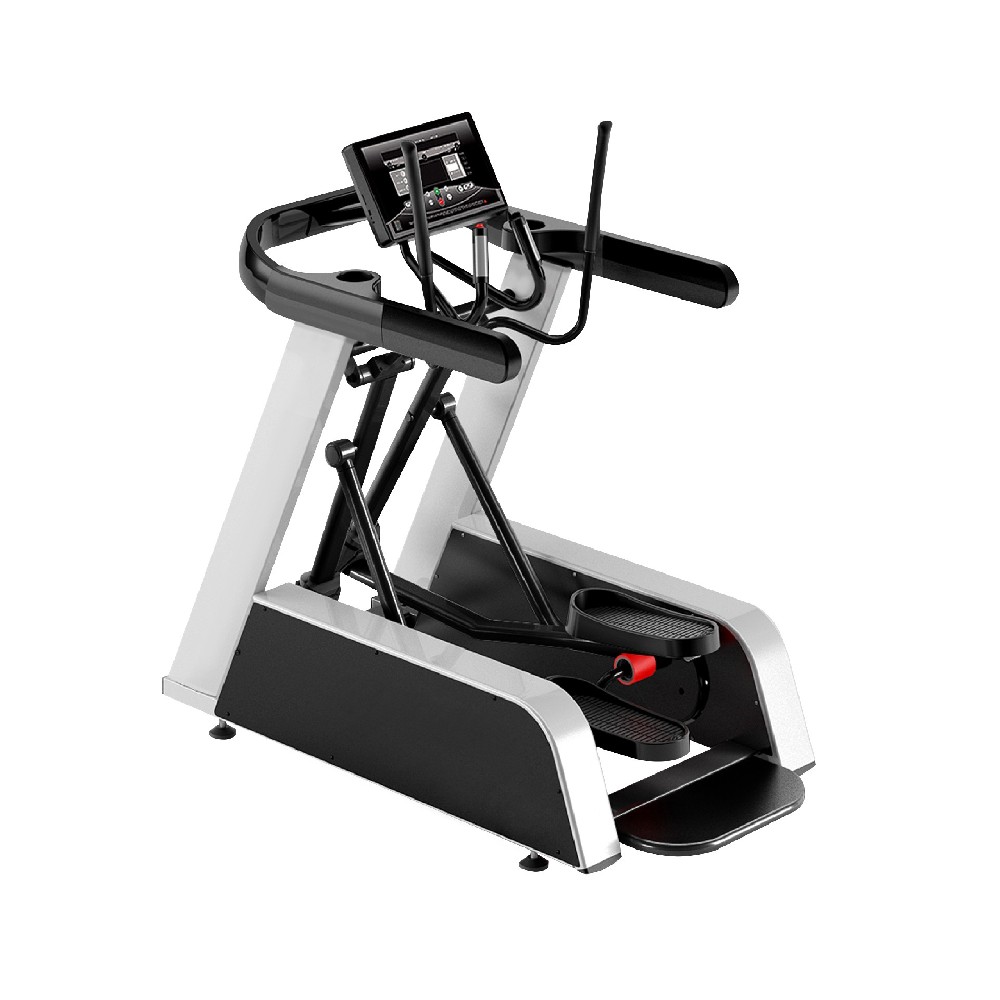
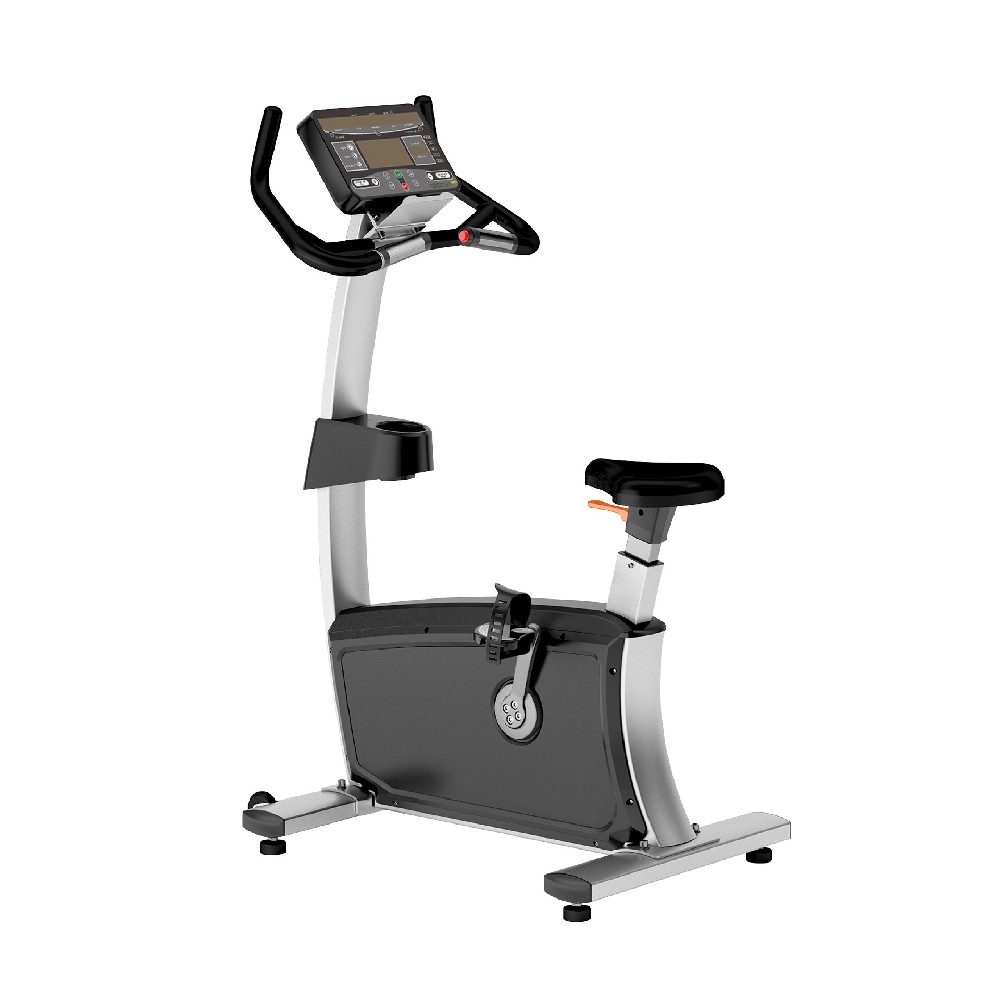
So, which one is the “fat-burning champion”? The truth is, you don’t have to choose. The best fat-loss strategy combines both. For example, you could do 20-30 minutes of strength training (focusing on major muscle groups like legs, back, and chest) followed by 15-20 minutes of cardio (like brisk walking or cycling). This way, you get the immediate calorie burn from cardio and the long-term metabolism boost from strength training. You can also alternate days—strength training on Monday, Wednesday, and Friday, and cardio on Tuesday, Thursday, and Saturday.
It’s also important to remember that diet plays a bigger role in fat loss than exercise alone. No matter how much you work out, if you’re eating more calories than you burn, you won’t lose fat. Pair your workouts with a balanced diet (rich in protein, fiber, and healthy fats) to maximize results.
In the end, the “best” exercise for fat loss is the one you’ll do consistently. If you love running, keep doing it—but add a few strength sessions each week. If you prefer lifting weights, don’t skip cardio entirely. By combining both, you’ll build a stronger, healthier body and burn fat more effectively than choosing one alone.