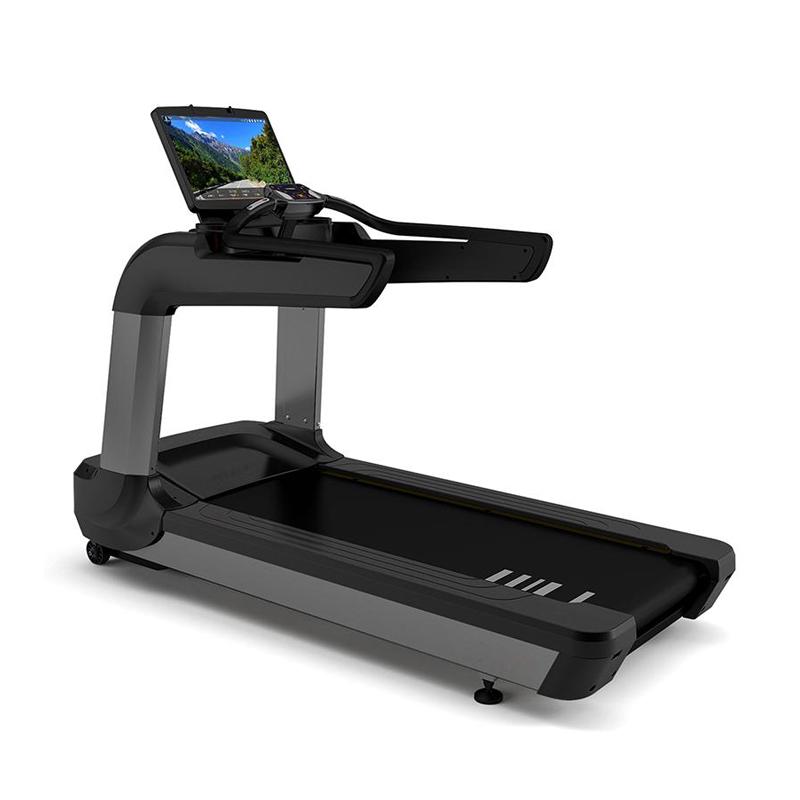
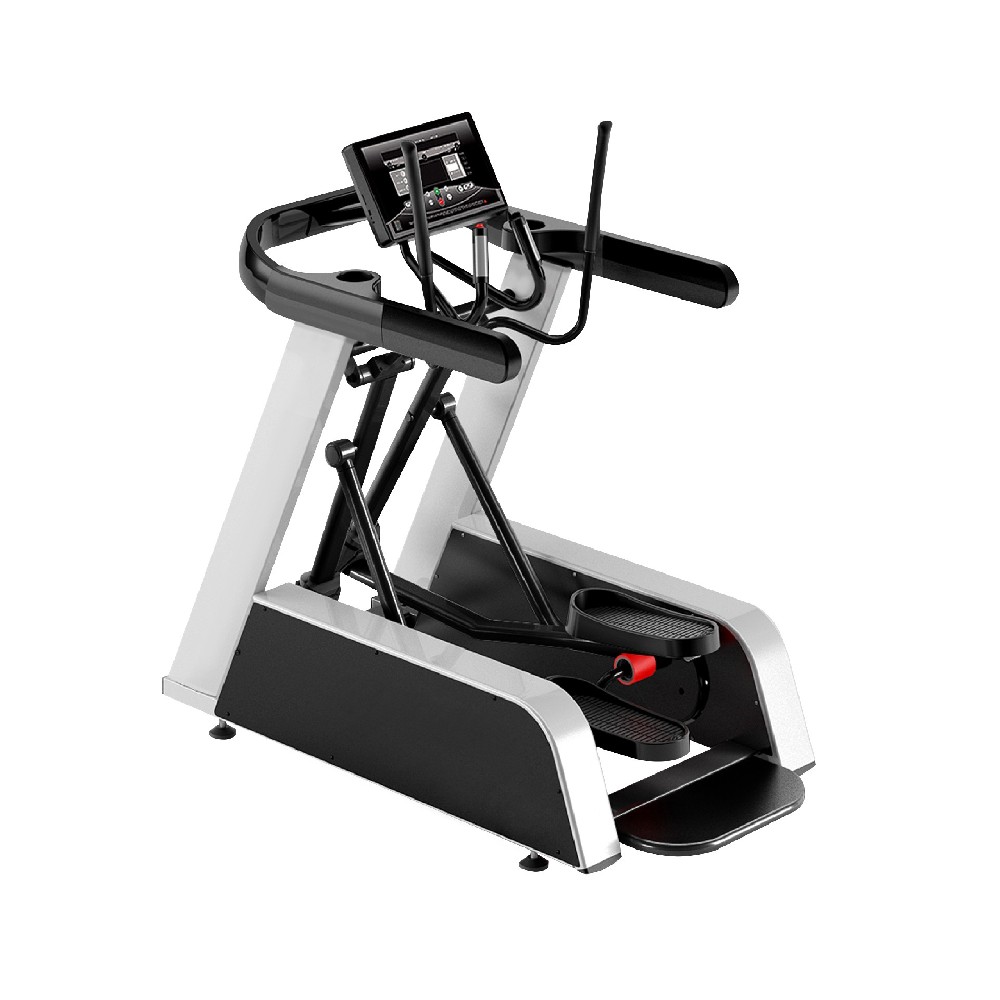
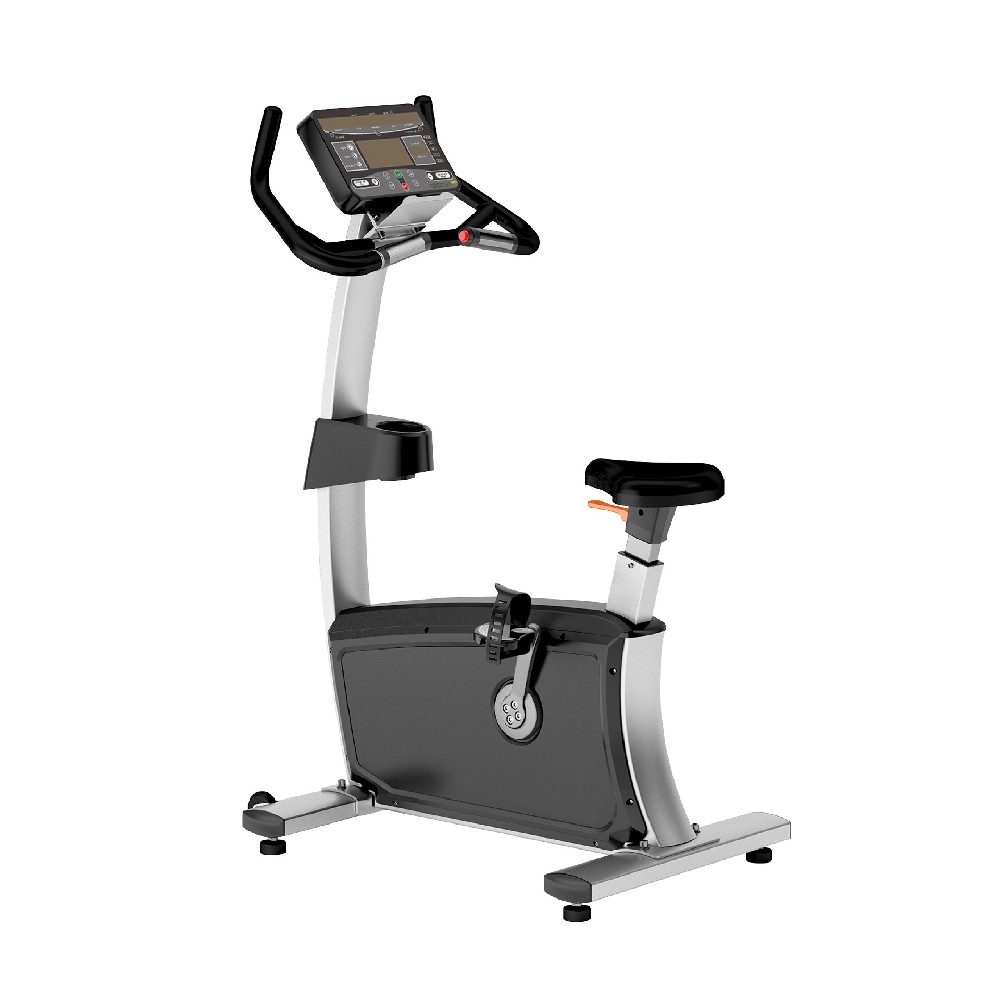
When investing in a treadmill, understanding the gap between commercial and home models is critical to making a cost-effective choice. Commercial treadmills, designed for gyms, hotels, and fitness centers, prioritize durability and high-traffic use, while home treadmills focus on space efficiency and user-friendly features for personal use. Below is a detailed breakdown of their core differences to guide your purchase.

1. Durability and Build Quality
Commercial treadmills are engineered to withstand 10+ hours of daily use by multiple users. They feature heavy-duty steel frames (often 200+ lbs in weight), reinforced running decks (made of multi-layered wood or composite materials), and industrial-grade motors. These components resist wear from constant use—for example, their belts can handle 10,000+ miles before replacement. In contrast, home treadmills are lighter (typically 100–150 lbs) with lighter frames and motors. They are built for 1–3 hours of daily use by 1–2 people, making them less durable for frequent, long sessions.
2. Motor Power and Performance
Motor power, measured in continuous horsepower (CHP), is a defining factor. Commercial treadmills usually have 3.0–5.0 CHP motors, enabling consistent speed (up to 12–15 mph) and incline (15–20%) even under heavy loads (user weight limits of 350–500 lbs). This makes them ideal for intense workouts like sprinting or hill training. Home treadmills, however, have smaller motors (1.5–3.0 CHP) with speed caps of 10–12 mph and inclines of 10–15%. Their weight limits are lower (250–300 lbs), suited for walking, jogging, or moderate running.
3. Size, Space, and Portability
Commercial treadmills are large and fixed—their running decks (60–72 inches long) and wide bases require permanent floor space (often 8x3 feet). They lack folding features, as mobility is not a priority for gyms. Home treadmills, by contrast, are designed for small spaces. Most are folding models with compact decks (50–60 inches long) that can be stored against walls or in closets when not in use. They also have wheels for easy movement, making them ideal for apartments or bedrooms.
4. Features and Technology
Commercial treadmills focus on practicality over frills. They include basic features like heart rate monitors (chest strap or hand grip), pre-programmed workouts (interval, hill), and water bottle holders. Some high-end models add touchscreens for entertainment, but the focus remains on reliability. Home treadmills, however, prioritize user experience. They often come with built-in tablets, Bluetooth connectivity for music or fitness apps (e.g., Peloton, iFit), and even fans or speakers. While these features enhance comfort, they may reduce durability compared to commercial models.
5. Cost and Maintenance
Commercial treadmills are expensive, ranging from (3,000 to )10,000+, due to their heavy-duty parts. They also require regular professional maintenance (lubrication, belt adjustments) to avoid breakdowns, adding to long-term costs. Home treadmills are more affordable, with prices from (500 to )3,000. Maintenance is simpler—users can perform basic tasks like cleaning or lubricating the deck themselves, lowering ongoing expenses.
Which One Should You Choose?
Opt for a commercial treadmill if you:
Run for 3+ hours daily or have multiple users.
Need a machine for intense training (sprinting, marathons).
Have dedicated space (e.g., a home gym) and a higher budget.
Choose a home treadmill if you:
Walk, jog, or run moderately (1–2 hours daily).
Live in a small space and need portability.
Prefer extra features (apps, entertainment) at a lower cost.
By aligning your needs with these differences, you’ll select a treadmill that delivers value and performance for years.