When it comes to leg fat loss, the debate between running and squats is a common one among fitness enthusiasts. Both exercises offer unique benefits, but their mechanisms for reducing leg fat differ significantly—understanding these differences can help you tailor your workout routine to your goals.

Running: The Calorie-Burning Powerhouse
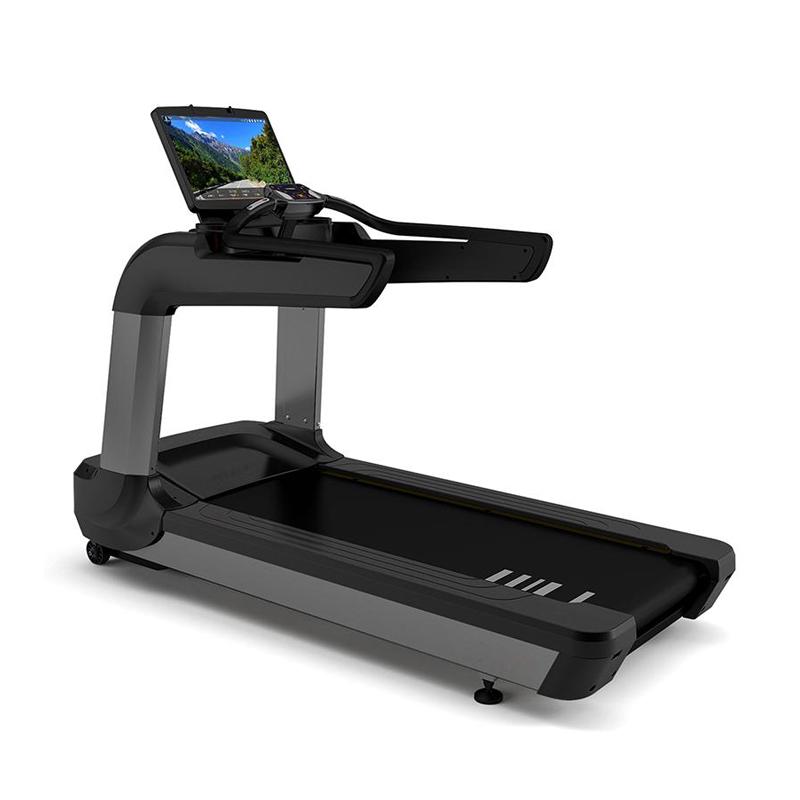
Running is a classic cardiovascular exercise that shines when it comes to immediate calorie expenditure. A 150-pound (68kg) person can burn approximately 298 calories in 30 minutes of moderate-paced running (about 5 mph), while increasing speed to 7 mph (a brisk jog) boosts that number to 465 calories. This high calorie burn directly contributes to creating a calorie deficit— the fundamental requirement for fat loss. What makes running particularly effective for legs is that it engages multiple lower-body muscles, including the quadriceps, hamstrings, calves, and even the glutes, with every stride. Over time, consistent running not only reduces overall body fat (which includes leg fat) but also improves muscle endurance, giving legs a leaner appearance. Additionally, running can be easily adjusted for intensity: interval training (alternating short bursts of sprinting with walking or jogging) can further enhance calorie burn and metabolic rate for hours post-workout, a phenomenon known as excess post-exercise oxygen consumption (EPOC).
Squats: The Muscle-Building Fat Loss Driver
Squats, often called the "king of lower-body exercises," are a compound resistance movement that focuses on muscle hypertrophy (growth) rather than just calorie burn. A 150-pound person burns roughly 108 calories in 30 minutes of bodyweight squats, but the long-term fat loss benefits are substantial. Squats target the quadriceps, hamstrings, glutes, and core, building lean muscle mass. Since muscle tissue is metabolically active, more muscle means a higher resting metabolic rate (RMR)—you’ll burn more calories even when sitting, sleeping, or doing daily tasks. For example, adding 5 pounds of muscle to your body can increase RMR by 25-50 calories per day, leading to gradual but sustainable fat loss over time. Squats also offer versatility: adding weights (like dumbbells, barbells, or kettlebells) increases resistance, further stimulating muscle growth and EPOC. Unlike running, which primarily improves endurance, squats help shape and tone legs, preventing the "skinny fat" look that can occur when losing weight without building muscle.
Which Is Better for Leg Fat Loss?
The answer depends on your priorities and timeline. If you want fast initial results (e.g., reducing leg fat for an upcoming event), running may be preferable due to its higher immediate calorie burn. However, if your goal is long-term fat loss and toned legs, squats are invaluable—they build muscle that keeps burning calories long after your workout ends.
The optimal strategy, though, is to combine both exercises. For instance, you could do 30 minutes of running 3 days a week to boost calorie burn, paired with 2-3 days of squat workouts (2-3 sets of 12-15 reps) to build muscle. This combination ensures you’re reducing overall body fat while shaping your legs, leading to a more defined and healthy lower body.
Key Considerations to Maximize Results
Spot Reduction Is a Myth: Neither running nor squats will target fat loss exclusively in your legs. Fat loss occurs uniformly across the body, so consistency with your exercise routine and diet is key.
Form Matters: Poor running form (e.g., heel striking, overstriding) can lead to knee or shin injuries, while incorrect squat form (e.g., rounding your back, knees caving inward) may strain your lower back or knees. Start with proper technique—consider working with a trainer if you’re new.
Diet Complements Exercise: Even the best workout routine won’t yield results without a balanced diet. Focus on whole foods, lean protein (to support muscle growth), healthy fats, and complex carbohydrates, and avoid excessive processed sugars and empty calories.
Individual Adaptation: Some people may prefer running’s low-equipment accessibility (you can do it anywhere with a good pair of shoes), while others may enjoy the strength-building challenge of squats. Choose activities you enjoy—consistency is more important than perfection.
In conclusion, both running and squats play important roles in leg fat loss. Running delivers quick calorie burn, while squats build muscle for long-term metabolic benefits. By incorporating both into your fitness plan and pairing them with a healthy diet, you’ll achieve the lean, toned legs you desire.