Achieving the dual goal of fat loss and muscle gain (often called "body recomposition") can feel overwhelming, but it doesn’t have to be. With a clear, step-by-step plan, you can target your muscles precisely, burn unwanted fat, and build a strong, toned physique efficiently. Whether you’re a beginner or someone who’s hit a fitness plateau, these five steps will help you stay on track and see real results.

Step 1: Set Clear, Measurable Goals
Before you start, define what success looks like for you. Vague goals like "lose fat and gain muscle" won’t keep you motivated long-term. Instead, set specific targets: for example, "lose 5 pounds of fat while gaining 2 pounds of muscle in 8 weeks" or "increase my squat weight by 10 pounds and reduce my waist circumference by 1 inch." These goals give you a way to track progress and adjust your plan as needed. Also, break them into smaller weekly milestones—like "eat 1.6 grams of protein per pound of body weight daily" or "complete 3 strength training sessions this week"—to make them more manageable.
Step 2: Optimize Your Diet for Fat Loss and Muscle Growth
Diet is the foundation of body recomposition. You need to create a slight calorie deficit (to lose fat) while eating enough protein (to build and preserve muscle). Aim for a deficit of 200-300 calories below your maintenance level—this is small enough to avoid losing muscle but large enough to shed fat over time. For protein, shoot for 1.6-2.2 grams per pound of body weight each day. Good sources include chicken breast, turkey, fish, eggs, Greek yogurt, and protein powder. Don’t skip carbs and healthy fats either: carbs fuel your workouts, and fats support hormone production (critical for muscle growth). Choose whole grains, sweet potatoes, avocados, nuts, and olive oil. Also, stay hydrated—drinking enough water boosts metabolism and helps with muscle function.
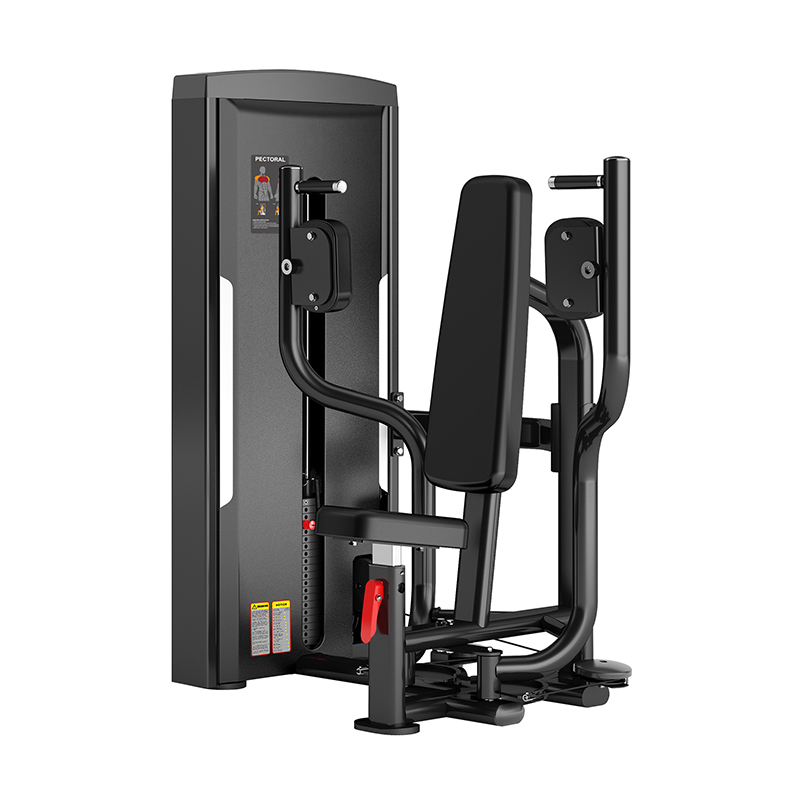
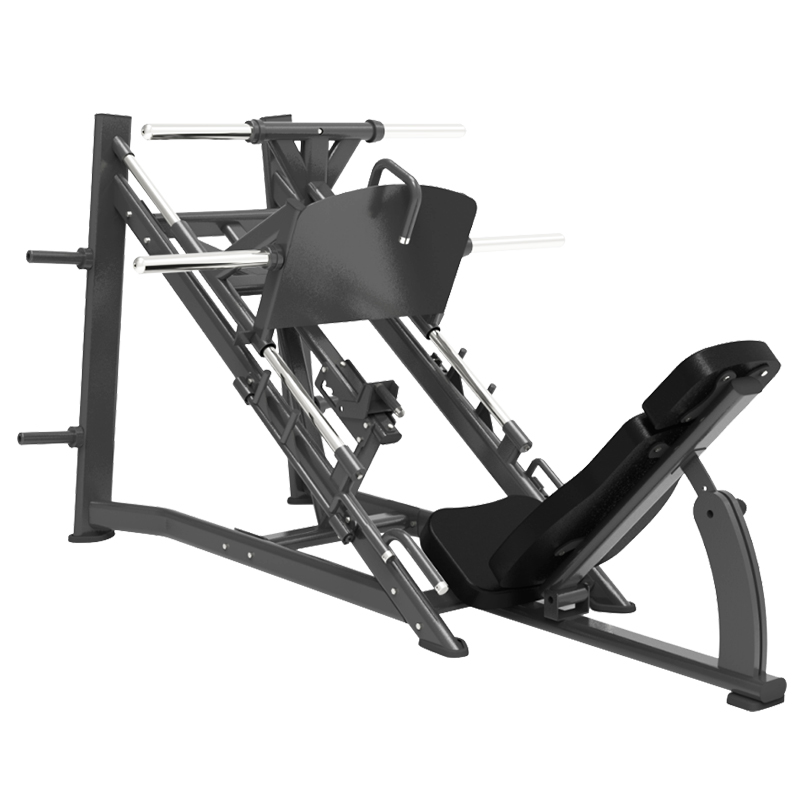
Step 3: Do Strength Training That Targets Muscles Precisely
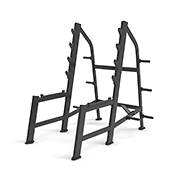
Strength training is non-negotiable for building muscle. Focus on compound exercises first—these work multiple muscle groups at once and are the most efficient for growth. Examples include squats (legs and glutes), deadlifts (posterior chain), bench presses (chest, shoulders, triceps), and rows (back and biceps). Do 3-4 sets of 8-12 reps for each compound exercise—this rep range is ideal for muscle hypertrophy (growth). Then, add isolation exercises to target specific muscles: for example, bicep curls, tricep dips, or lateral raises for shoulders. Aim to train each muscle group 2 times per week, and gradually increase the weight or reps (progressive overload) to keep challenging your muscles—this is the key to continued growth.
Step 4: Add Cardio Wisely (Without Killing Muscle Gains)
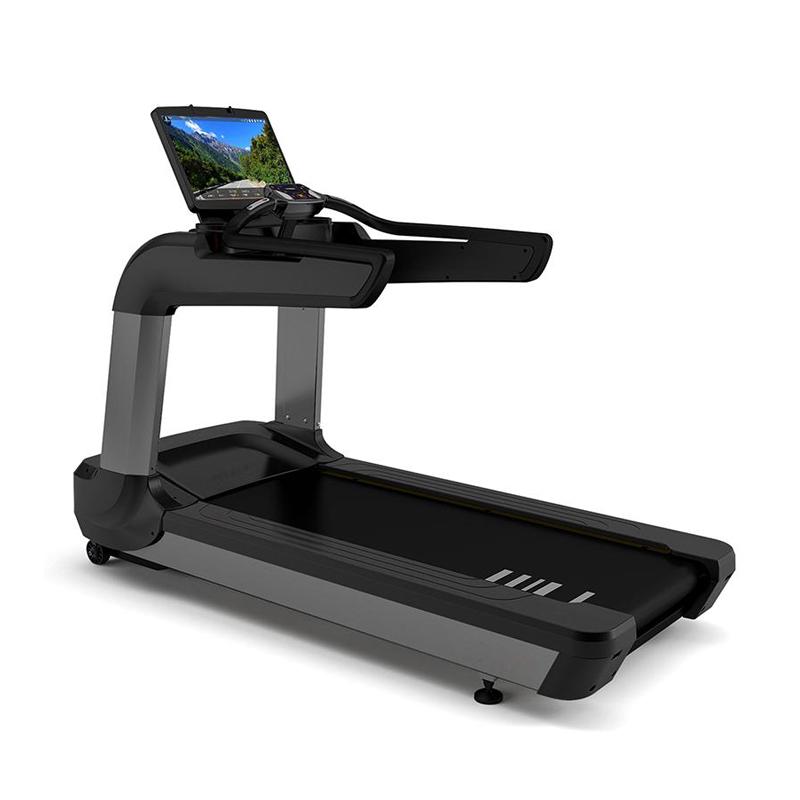
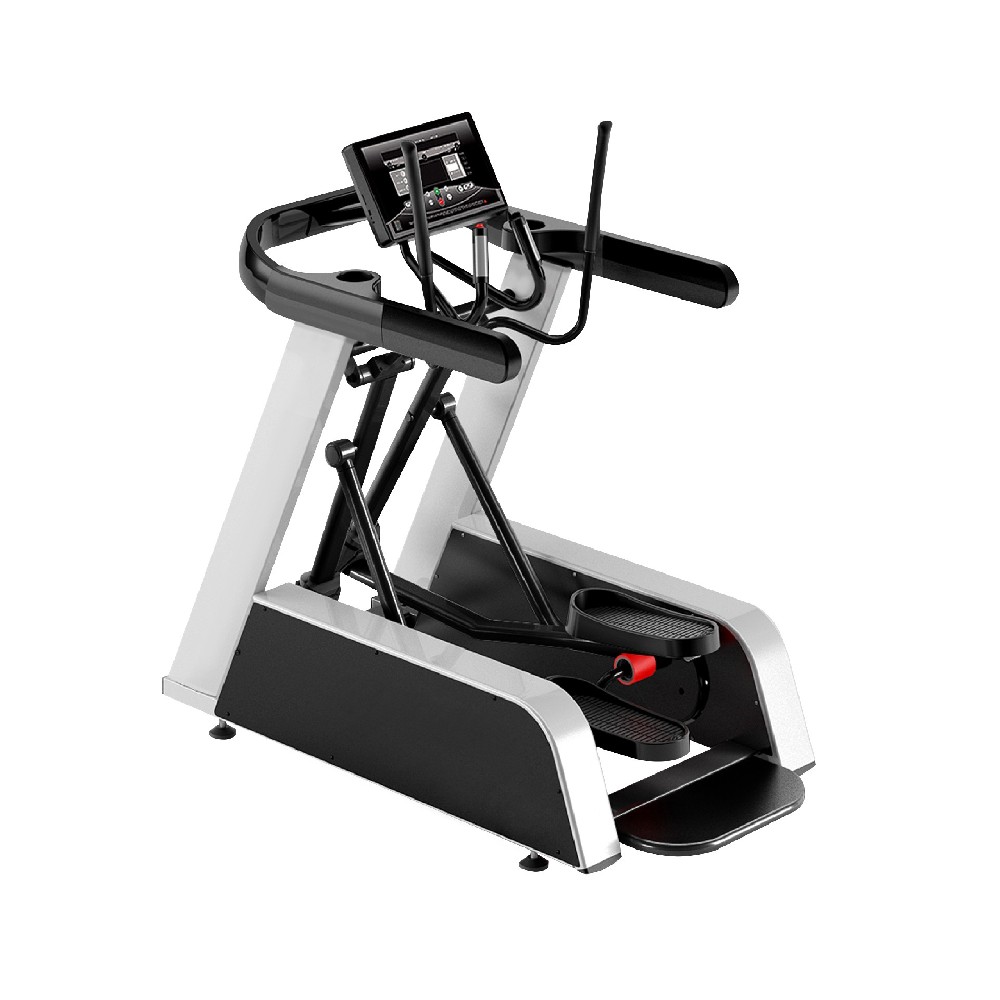
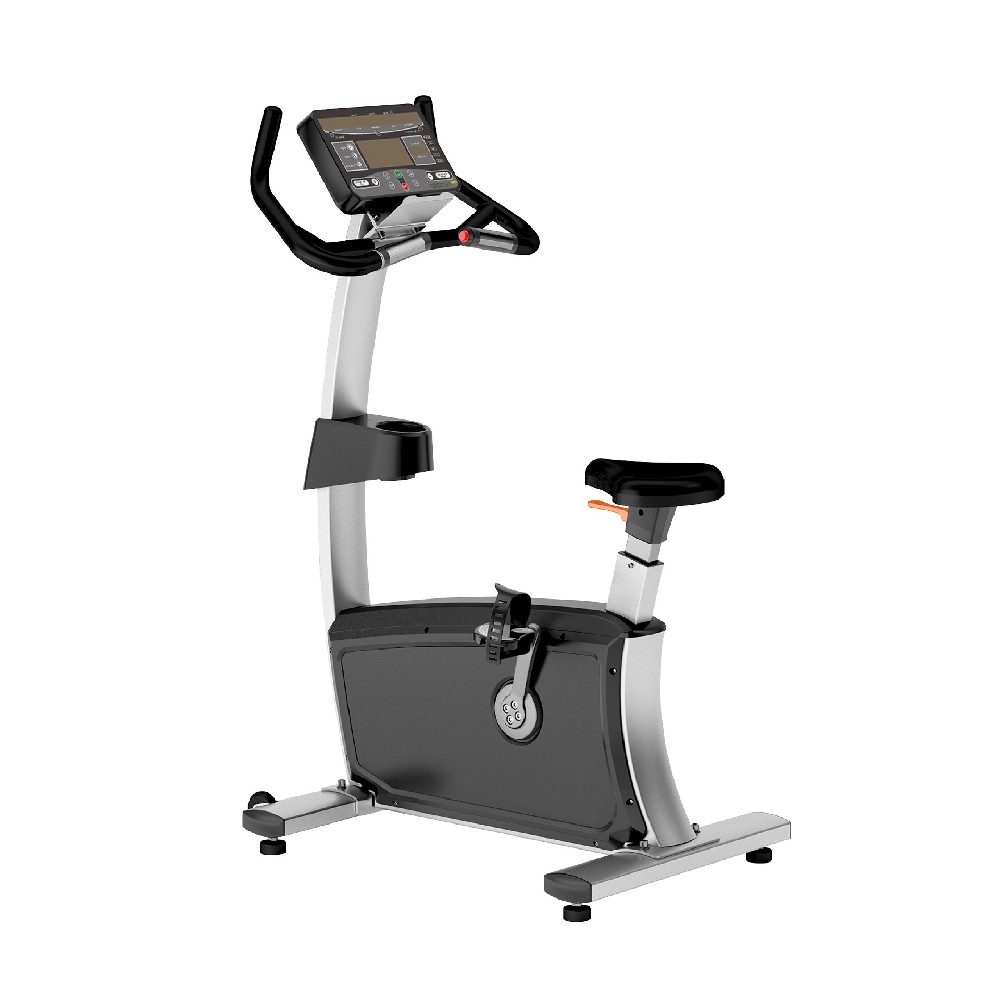
Cardio helps burn calories and speed up fat loss, but too much can interfere with muscle growth. Stick to low-to-moderate intensity cardio, like brisk walking, cycling, or swimming, for 20-30 minutes, 2-3 times per week. Do your cardio after strength training or on separate days—this way, you won’t tire yourself out before lifting, which could reduce the quality of your strength workouts. Avoid long, high-intensity cardio sessions (like marathon running) unless your main goal is endurance—these can break down muscle tissue if not balanced with enough calories and protein.
Step 5: Prioritize Recovery and Track Your Progress
Muscles grow during rest, not during workouts. So, make sure you’re getting 7-9 hours of sleep each night—sleep helps your body repair muscle tissue and produce growth hormone. Also, take 1-2 rest days per week to let your muscles recover. You can do light activity on rest days, like stretching or yoga, to improve flexibility and reduce soreness. Finally, track your progress weekly. Weigh yourself (but don’t fixate on the number—muscle is denser than fat, so your weight might stay the same even as you get leaner), take measurements (waist, hips, arms, thighs), and take progress photos. If you’re not seeing results after 2-3 weeks, adjust your diet (e.g., tweak your calorie deficit) or workout plan (e.g., add more weight).
Body recomposition takes time and consistency, but following these five steps will help you target your muscles precisely, lose fat, and build a great body efficiently. Remember: there’s no shortcut—stay patient, stick to your plan, and you’ll see the changes you want.