In the pursuit of fitness goals, many people fall into two extremes: either training excessively with the belief that "more is better" or being too cautious and seeing little progress. The key to effective fitness lies in mastering the "degree"—a scientific balance between effort and moderation. Here’s how to strike that balance for optimal results.

Understanding Workout Intensity
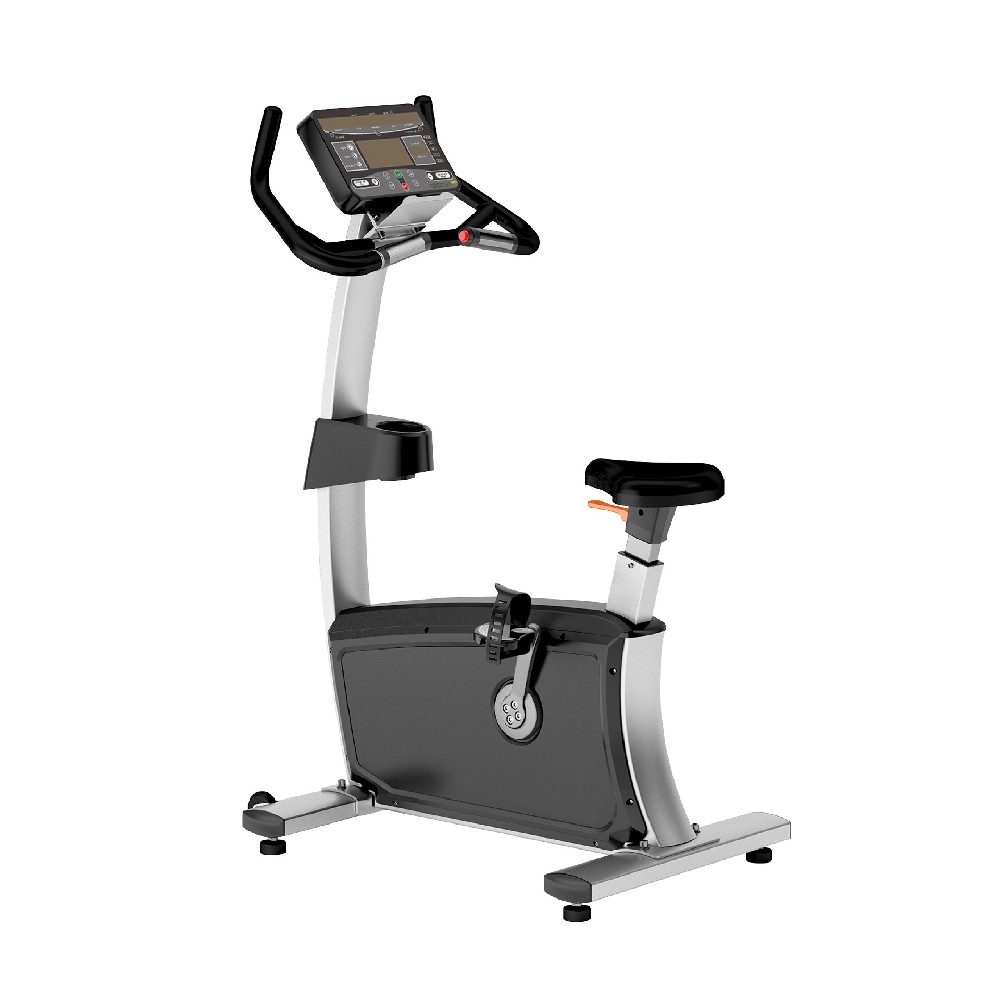
Intensity is the cornerstone of any fitness routine, but pushing too hard can lead to injury or burnout. A simple way to gauge intensity is the RPE (Rate of Perceived Exertion) scale, where 1 is resting and 10 is maximum effort. For most adults, aiming for 6–8 during cardio (like running or cycling) and 7–9 for strength training (such as lifting weights) works well. This range challenges your body enough to build strength and endurance without overdoing it.
Finding the Right Frequency
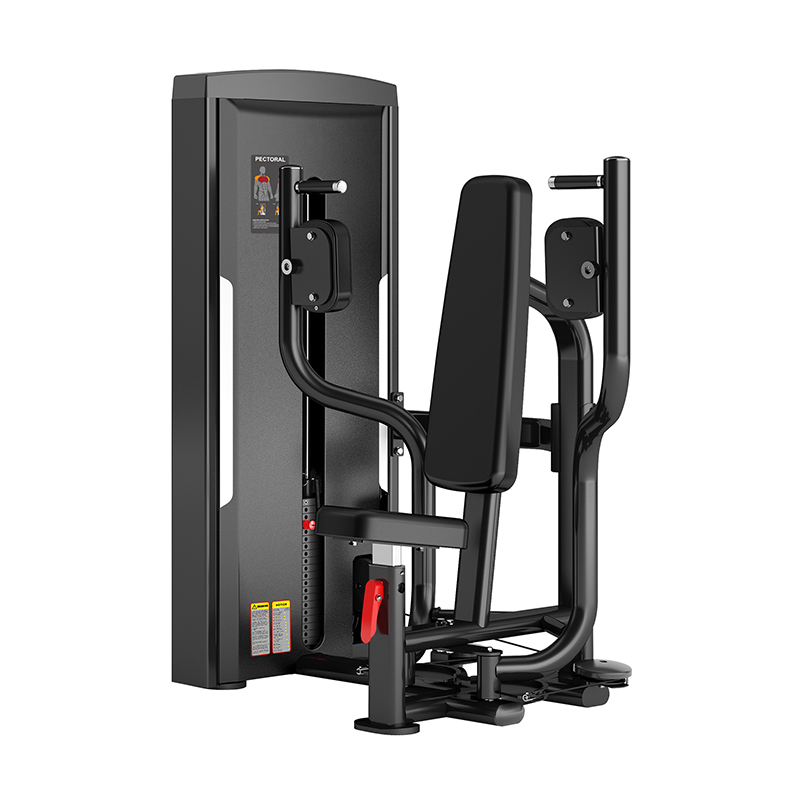
How often you work out depends on your goals and recovery ability. For general fitness, 3–5 days a week is sufficient. Strength training should target different muscle groups on separate days—for example, legs on Monday, upper body on Wednesday, and core on Friday. This gives muscles 48–72 hours to repair, which is when they grow stronger. Cardio can be done on alternate days, but avoid back-to-back high-intensity sessions. Overtraining, such as working out 6–7 days a week without rest, increases the risk of fatigue and weakened immunity.
Listening to Your Body
Your body sends clear signals when you’re overtraining: persistent soreness, trouble sleeping, or a drop in performance. Learn to distinguish between normal post-workout fatigue and excessive strain. If you feel overly tired, take an extra rest day or switch to light activity like walking or yoga. Hydration and nutrition also play a role in recovery—aim for enough protein (1.2–2.0g per kg of body weight daily) and water to support muscle repair.
Progressive Overload, Not Sudden Jumps
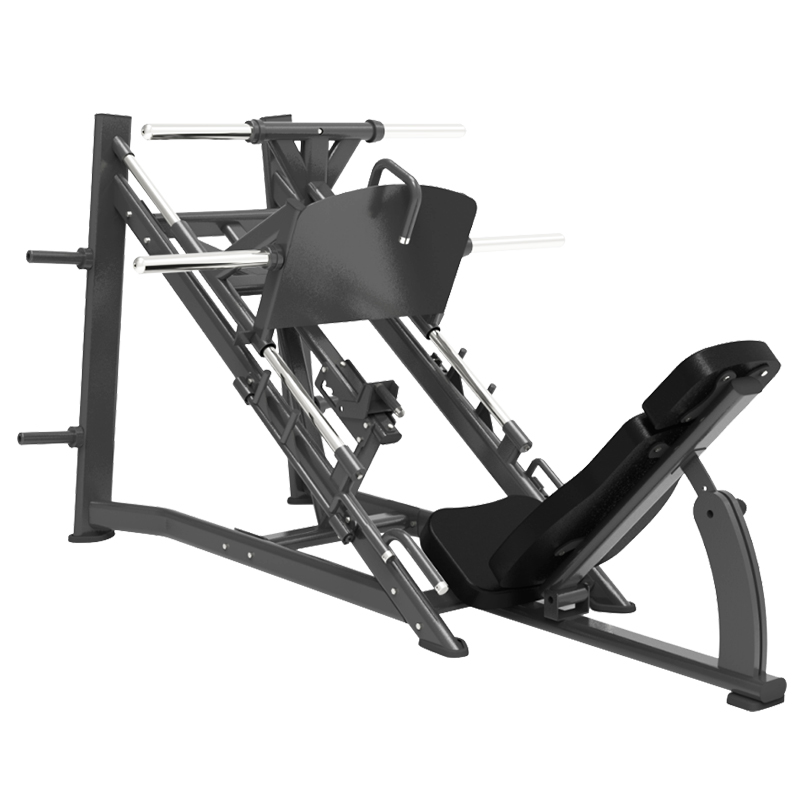
To see results, you need to gradually increase the demands on your body—a principle called progressive overload. For strength training, this could mean adding 2.5–5% more weight or doing one more rep each week. For cardio, try increasing duration by 5–10% or slightly raising the intensity. Sudden jumps, like doubling your workout time or lifting much heavier weights, are a recipe for injury.
Balancing Rest and Activity
Rest days are not wasted days—they’re when your body adapts to training. On rest days, engage in active recovery: stretching, foam rolling, or gentle swimming. This improves blood flow and reduces muscle tightness. Quality sleep is equally important; aim for 7–9 hours a night, as growth hormone (vital for muscle repair) is released during deep sleep.
In conclusion, scientific fitness is about precision, not extremes. By monitoring intensity, spacing out workouts, listening to your body, and progressing gradually, you’ll maximize results while staying healthy. Remember: consistency with moderation beats occasional overexertion every time.