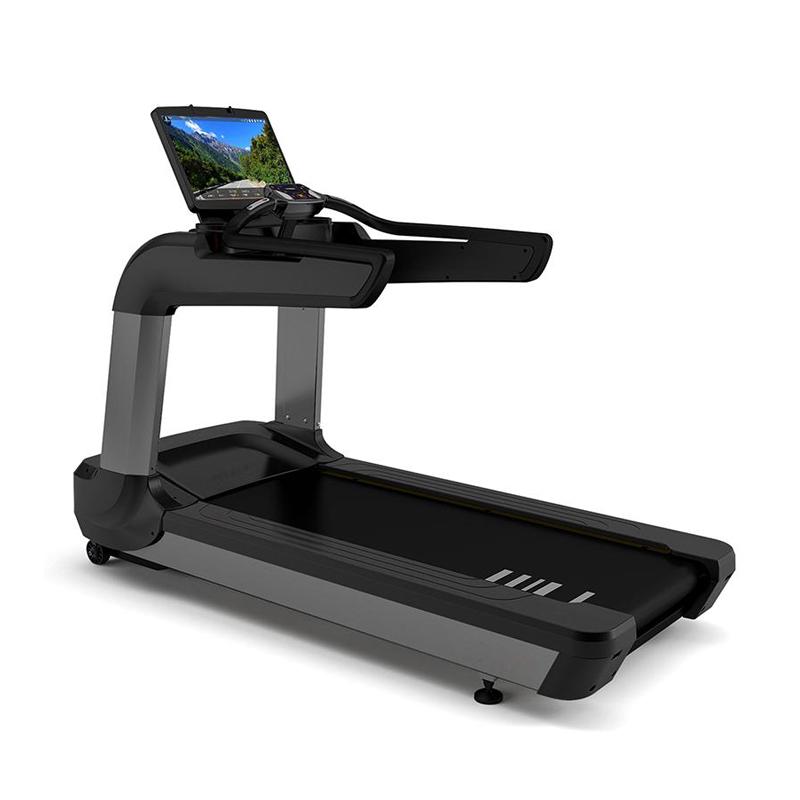
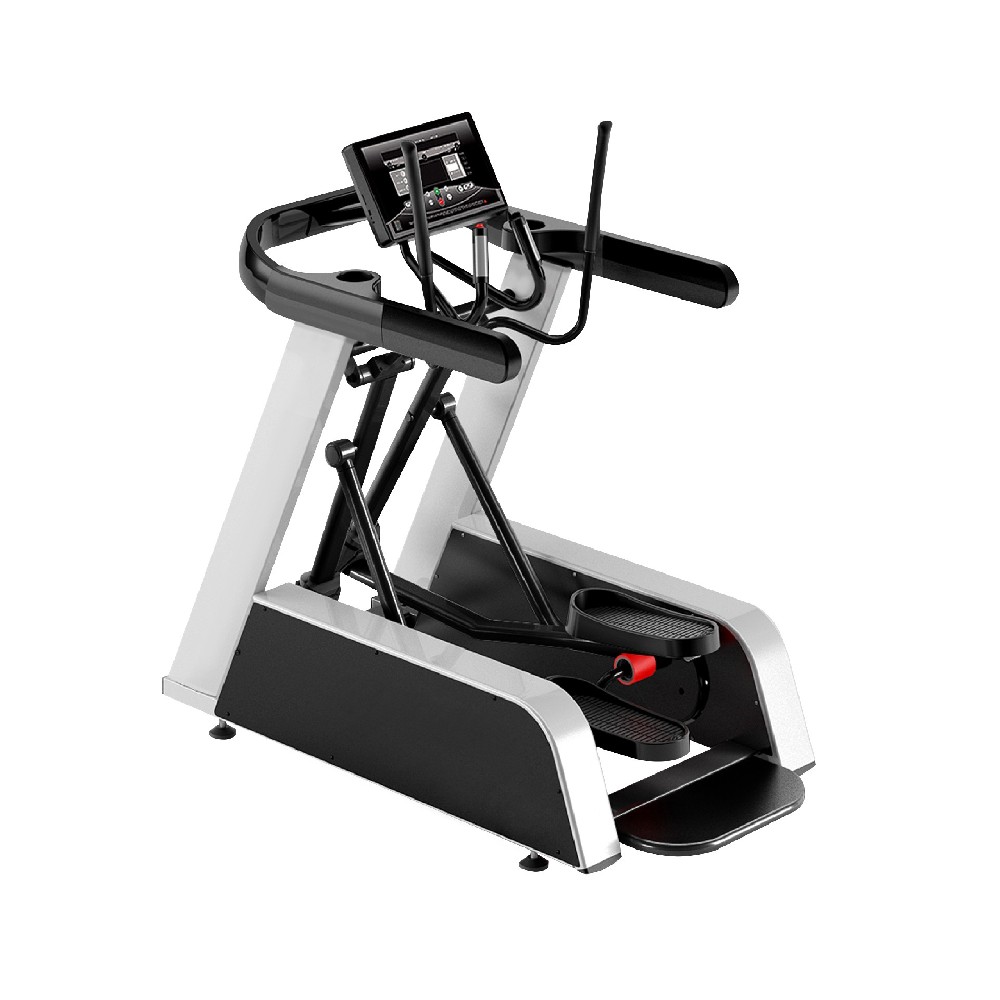
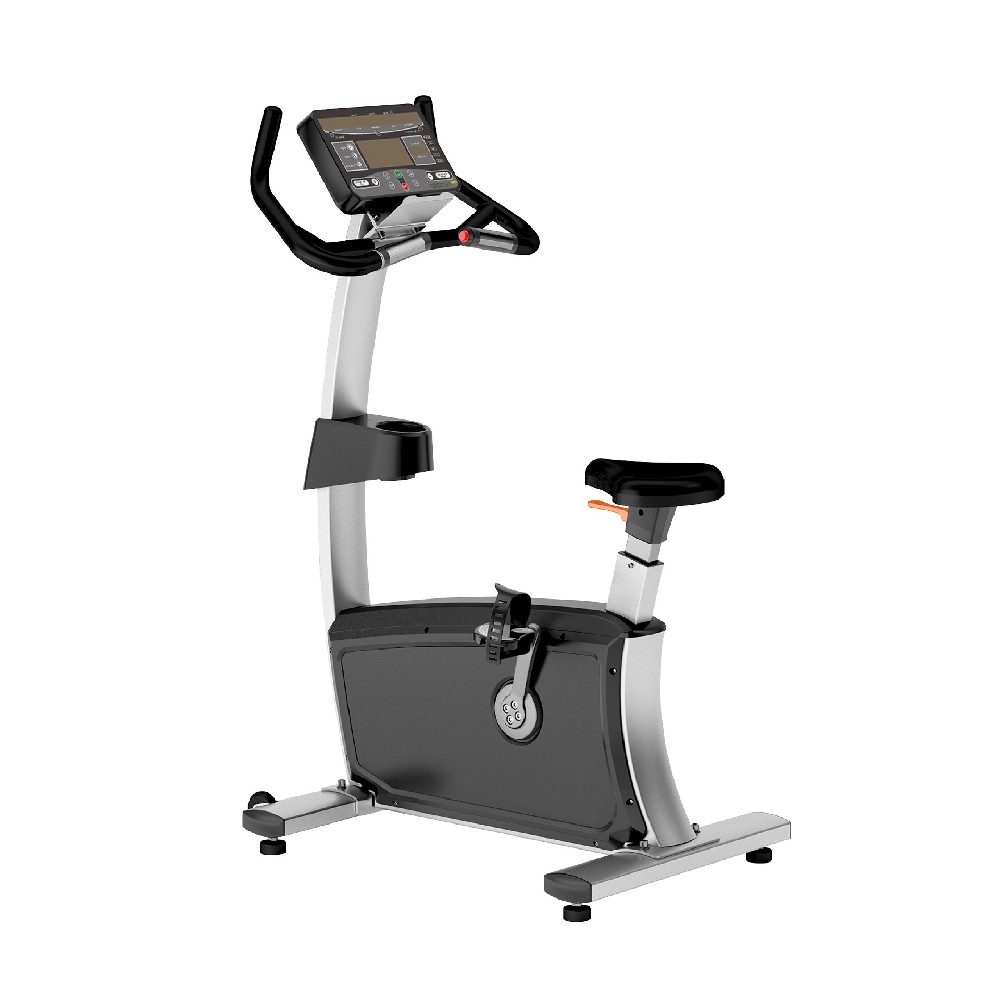
Elliptical trainers stand out as a top pick for anyone seeking effective workouts without jarring joint stress. Their smooth, gliding motion delivers a full-body cardio boost while protecting knees, hips, and ankles—making them perfect for beginners, seniors, and those recovering from injuries.

Why Low-Impact Matters
Unlike running or jumping, ellipticals keep your feet constantly in contact with the pedals, eliminating the impact that strains joints. This design allows you to burn 400–600 calories per hour (depending on intensity) while engaging major muscle groups: quads, hamstrings, glutes, and even core and upper body when using the handlebars. It’s a time-efficient way to tone multiple areas simultaneously.
Tips for Maximizing Results
To turn your elliptical sessions into effective fat-burning and shaping workouts, focus on these strategies:
Interval Training: Alternate 1 minute of higher resistance/speed with 2 minutes of moderate pace. This boosts metabolism more than steady-state exercise.
Engage Your Core: Keep your abs tight throughout the workout to strengthen your midsection and improve posture.
Adjust Resistance Smartly: Start with a level that challenges you but allows smooth movement. Gradually increase weekly to avoid plateaus.
Mix It Up: Reverse pedaling targets different leg muscles, while varying stride length (if adjustable) adds intensity.
Suitable for All Fitness Levels
Beginners can start with 10–15 minute sessions, focusing on form. Intermediate users might aim for 30–45 minutes of steady or interval training. Even advanced athletes use ellipticals for active recovery, maintaining cardiovascular health without overtaxing joints.
With consistency, an elliptical can help you shed pounds, build lean muscle, and improve endurance—all without the pain associated with high-impact exercises. It’s no wonder it’s a staple in home gyms and fitness centers worldwide.