A strong, defined chest is a top priority for many gym - goers, and mastering the right equipment is the first step to achieving that goal. This comprehensive guide covers essential fitness tools for chest workouts, ensuring you get the most out of every session.

Flat Benh Press with Bcarbell
The king of chest exercises, the flat bench press builds overall chest mass. Lie on a flat bench, feet flat on the floor. Grip the bar slightly wider than shoulder - width, unrack it, and lower it to mid - chest. Push upward until your arms are nearly straight, avoiding locking your elbows. Keep your shoulder blades retracted and your core engaged to protect your lower back. Start with a weight that lets you complete 8 - 10 reps with good form.
Cable Crossover Machine
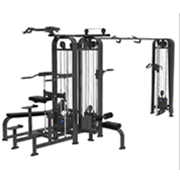
Perfect for isolating the inner chest, this machine adds definition. Stand between the two cable columns, set the pulleys to shoulder height, and grasp the handles with palms facing each other. Step forward to create tension in the cables, keep a slight bend in your elbows, and bring the handles together in front of your chest, squeezing your pecs at the top. Return slowly to the starting position to maximize muscle engagement. Adjusting the pulley height to above or below shoulder level targets the upper or lower chest.
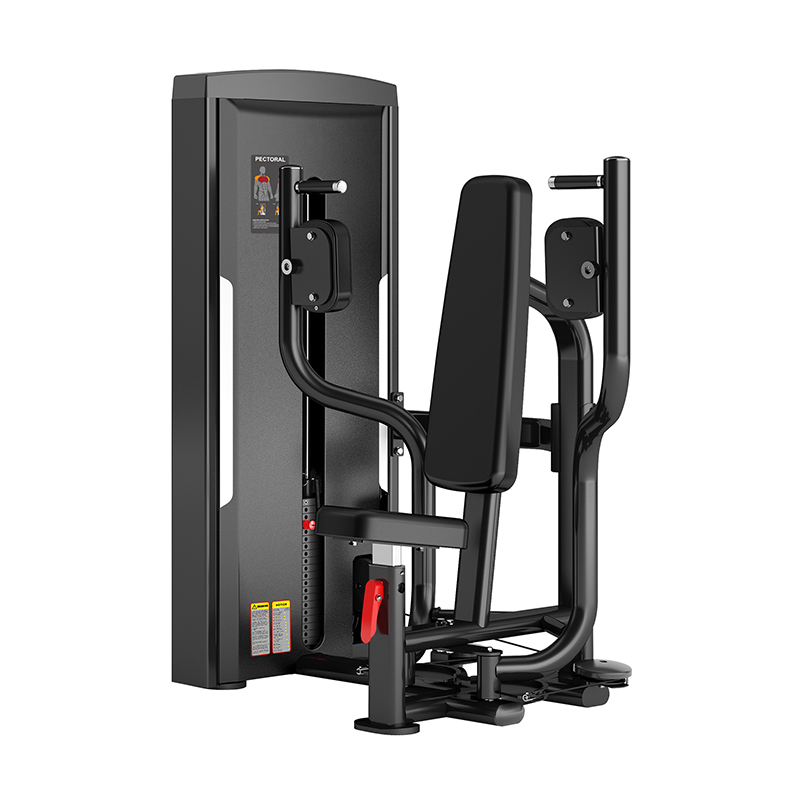
Seated Chest Press Machine
Great for beginners or those recovering from injury, this machine offers controlled movement. Sit with your back pressed against the pad, adjust the seat so that the handles align with your mid - chest. Grip the handles, push forward until your arms are extended, then slowly release. The fixed path reduces strain on the shoulders, making it a safe option to build foundational strength. Aim for 3 sets of 12 - 15 reps.
Incline Dumbbell Press
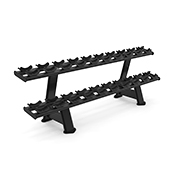
To focus on the upper chest, the incline dumbbell press is a must. Set the bench to a 30 - degree incline, lie back, and hold a dumbbell in each hand at shoulder level, palms facing forward. Press the dumbbells upward until they almost touch above your chest, then lower them back down. Dumbbells allow a greater range of motion than a barbell, stretching the chest muscles more effectively.
Decline Push - Up Bars
For a bodyweight option that uses equipment, decline push - up bars target the lower chest. Place the bars on the floor, set your feet on a bench behind you, and grip the bars with hands slightly wider than shoulders. Lower your chest toward the bars, keeping your body in a straight line, then push back up. The decline angle shifts emphasis to the lower pecs, and the bars increase the range of motion compared to standard push - ups.
Key Tips for Chest Training
Always warm up with 5 minutes of light cardio followed by dynamic stretches for the chest and shoulders, like arm circles and chest openers.
Pair compound movements (bench press, dumbbell press) with isolation exercises (cable crossovers) for balanced development.
Allow 48 hours of rest between chest workouts to let muscles repair and grow.
Gradually increase weight or reps to keep challenging your muscles, a principle known as progressive overload.
Focus on the mind - muscle connection; concentrate on squeezing your chest muscles with each rep rather than just moving the weight.
By incorporating these equipment - based exercises into your routine and following these tips, you'll develop a strong, well - rounded chest. Consistency and proper form are more important than lifting heavy, so prioritize quality over quantity in every workout.