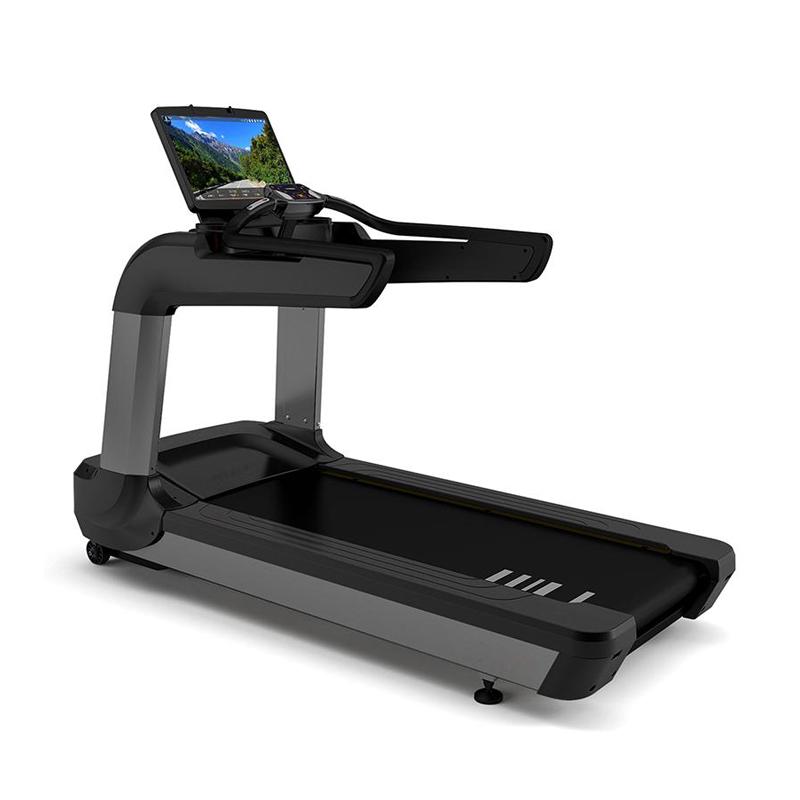
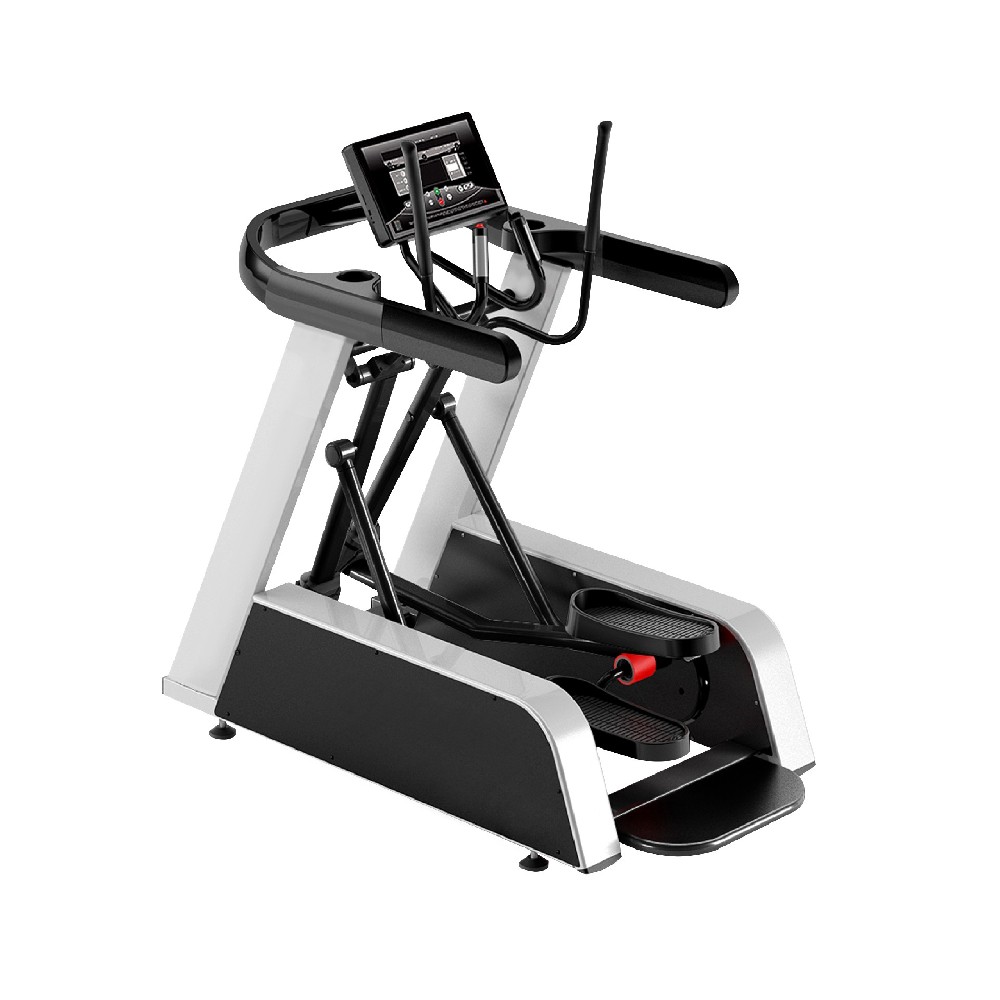
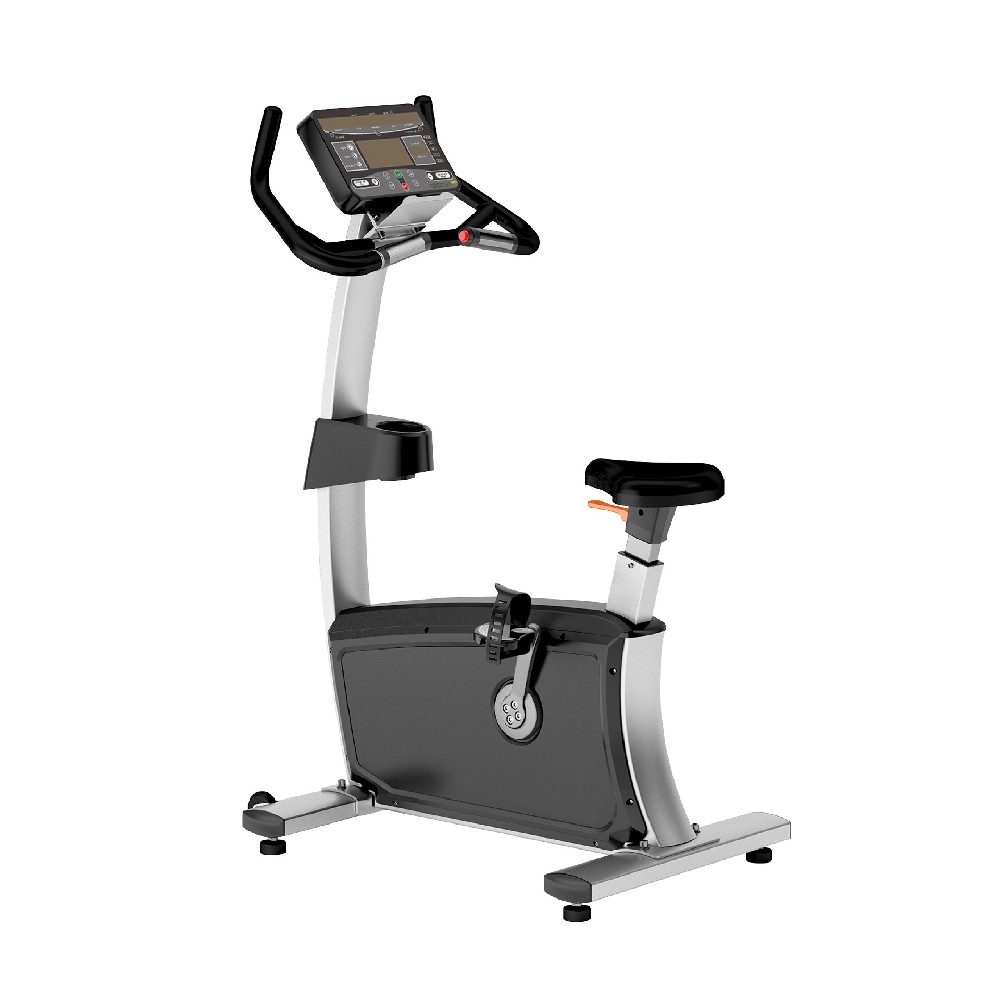
A well - structured leg workout is a cornerstone of any effective fitness routine, yet many gym - goers struggle to maximize results due to improper equipment use or form. This guide breaks down the science of leg training, helping you select the right tools, master correct movements, and avoid common pitfalls.

Choosing the Right Gym Equipment
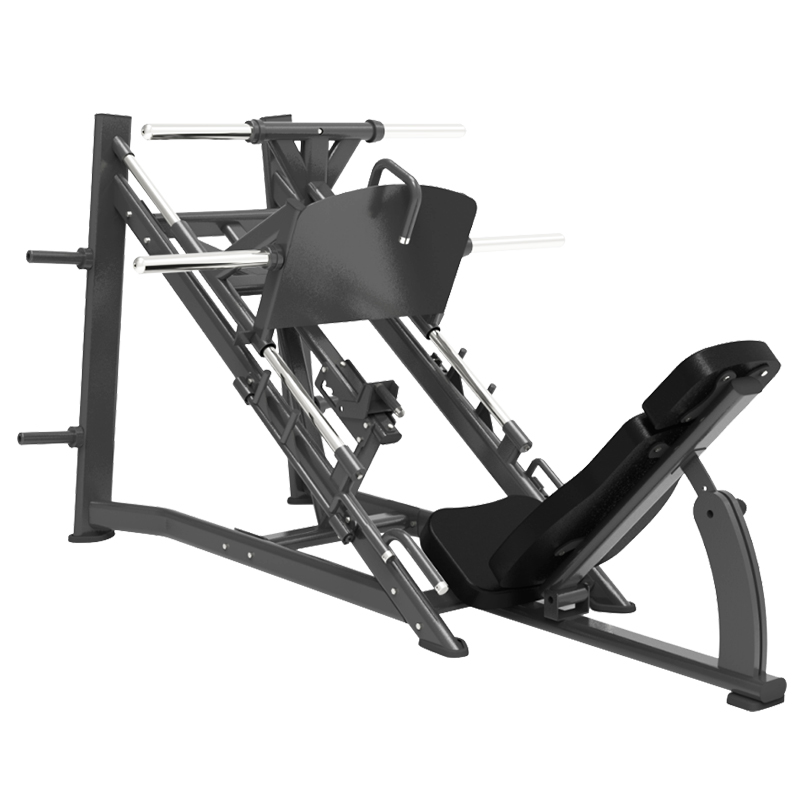
Not all leg machines target the same muscles. For quads (front thighs), the leg press and leg extension machines are ideal. The leg press allows you to lift heavy weights with less stress on the lower back, making it great for building strength. When using it, adjust the seat so your knees form a 90 - degree angle at the bottom of the movement.
For hamstrings (back thighs) and glutes, the leg curl machine and hip thrust machine are must - haves. The leg curl isolates the hamstrings, and you should keep your hips pressed against the pad to avoid cheating. The hip thrust, on the other hand, engages both the glutes and hamstrings; focus on driving through your heels to maximize activation.
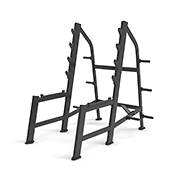
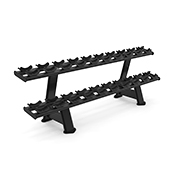
Don’t overlook free weights either. Barbell back squats are a compound movement that works the entire lower body, including the core. Dumbbell lunges are perfect for improving balance and targeting each leg individually.
Mastering Proper Form
Proper form is crucial for both effectiveness and injury prevention. When doing barbell squats, stand with your feet shoulder - width apart, toes slightly outward. Keep your chest up, core braced, and lower your body until your thighs are parallel to the floor. Push through your heels to return to the starting position. Avoid rounding your back or letting your knees cave inward.
On the leg press, place your feet shoulder - width on the platform. As you push the weight away, don’t lock your knees completely. Control the descent to keep tension on the muscles. For leg curls, lie face down, hook your ankles under the pad, and curl your heels toward your glutes. Exhale as you curl and inhale as you lower.
Lunges require balance. Step forward with one leg, lower your body until both knees form 90 - degree angles, then push back up. Keep your front knee over your ankle and your torso upright throughout the movement.
Key Considerations for Safe and Effective Training
Warming up is non - negotiable. Spend 5 - 10 minutes on cardio, such as brisk walking or cycling, to increase blood flow. Then do dynamic stretches like leg swings and bodyweight squats to loosen up the joints and muscles.
Progressive overload is essential for growth. Gradually increase the weight, reps, or sets over time. But don’t sacrifice form for heavier weights; it’s better to do fewer reps with good form than more reps with bad form.
Listen to your body. Soreness is normal, but sharp pain is a warning sign. If you feel pain, stop the exercise immediately. Rest and recovery are also important. Your muscles grow during rest, so aim for 7 - 9 hours of sleep each night and take at least one rest day between leg workouts.
In conclusion, a scientific approach to leg training involves choosing the right equipment, mastering proper form, and paying attention to key details. By following these guidelines, you’ll be on your way to stronger, more defined legs while minimizing the risk of injury.