When it comes to building strong, muscular legs, two popular approaches often dominate gym routines: the hack squat and free-weight exercises like barbell squats or lunges. Both have their loyal followers, but which one deserves a spot in your workout plan? Let’s break down the key differences to help you decide.

Muscle Activation and Targeting
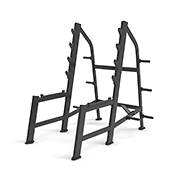
Free-weight squats, especially back squats, are celebrated as a compound king. They engage multiple muscle groups simultaneously—quads, glutes, hamstrings, core, and even lower back—making them ideal for overall leg development and functional strength. The instability of holding a barbell forces your body to recruit stabilizer muscles, enhancing coordination and real-world movement patterns.
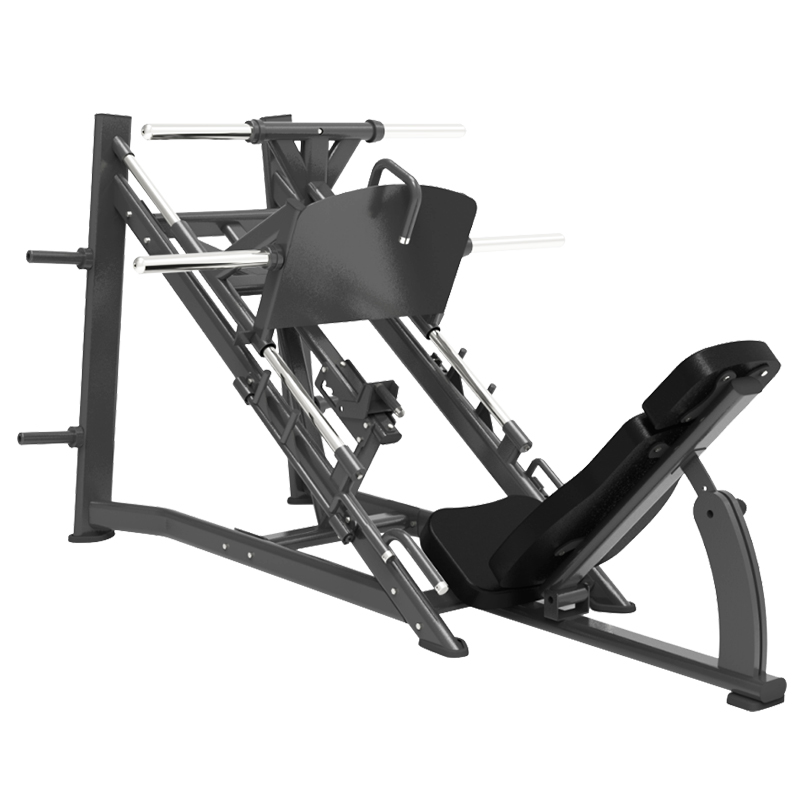
Hack squats, performed on a machine with guided tracks, shift the focus heavily to the quads. The fixed path reduces reliance on stabilizers, allowing you to isolate and overload the front of your legs more intensely. This makes them a standout choice if quad hypertrophy is your top goal, or if you want to target weaknesses in that area without straining your lower back.
Safety and Accessibility
For beginners or those with joint issues, hack squats often feel more approachable. The machine supports your back and controls the range of motion, lowering the risk of form mistakes that could lead to knee or spinal injuries. This stability also lets you push heavier weights earlier in your training journey, which can boost confidence.
Free weights, however, demand strict form. A poorly executed barbell squat can strain the knees or lumbar spine, especially when lifting heavy. That said, mastering proper technique builds long-term resilience—strengthening connective tissues and improving joint stability in ways machines can’t replicate.
Progression and Versatility
Free weights offer unmatched versatility. You can adjust stance width, depth, and load to target different leg muscles: narrow stances emphasize quads, while wider stances hit glutes and hamstrings harder. Variations like front squats or goblet squats add even more flexibility to your routine.
Hack squats are more limited in variation but excel at progressive overload. The guided motion lets you safely add weight week after week, making it easier to track strength gains. This predictability is why many bodybuilders use them to sculpt dense, defined quads.
Who Should Choose What?
Opt for free weights if you want functional strength, balanced leg development, or plan to lift competitively. They’re also better for athletes needing to improve power and movement efficiency.
Choose hack squats if quad isolation is key, you’re recovering from an injury, or you struggle with balance in free-weight squats. They’re also great as a supplementary exercise to boost quad volume.
The best leg routine often combines both: use free weights as your foundation for overall strength, then add hack squats to target specific muscles. Experiment, track your progress, and adjust based on your goals—your legs will thank you.