Achieving a healthy and strong physique isn’t about random workouts or extreme diets. It’s rooted in scientific exercise principles that balance effort, recovery, and consistency. Whether you’re a beginner or looking to optimize your routine, this guide breaks down the essentials to help you build lasting fitness.

Start with Clear Goals
Before lacing up your sneakers, define your objectives. Are you aiming to build muscle, boost endurance, lose fat, or improve flexibility? Specific goals—like “increase bench press by 10kg in 8 weeks” or “run a 5K in under 30 minutes”—let you track progress and adjust your plan. Use the SMART framework: Specific, Measurable, Achievable, Relevant, Time-bound.
Mix Cardio and Strength Training
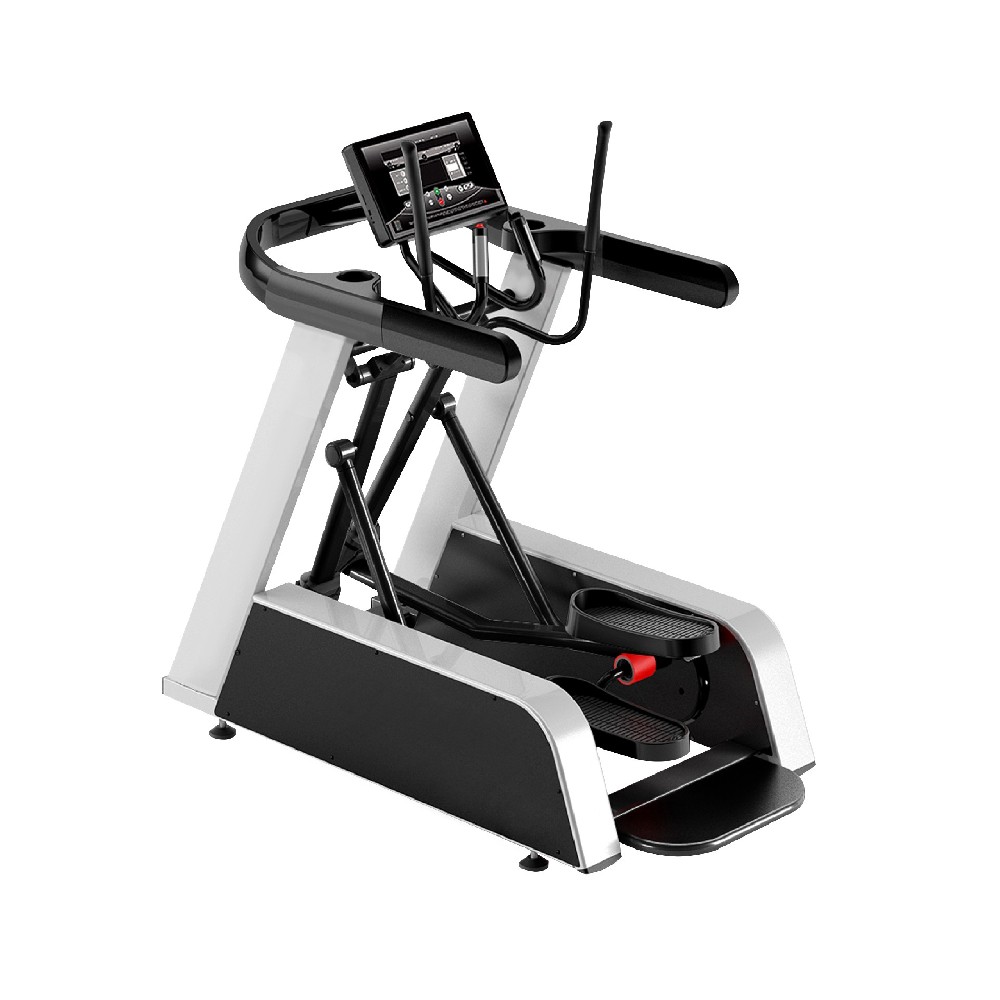
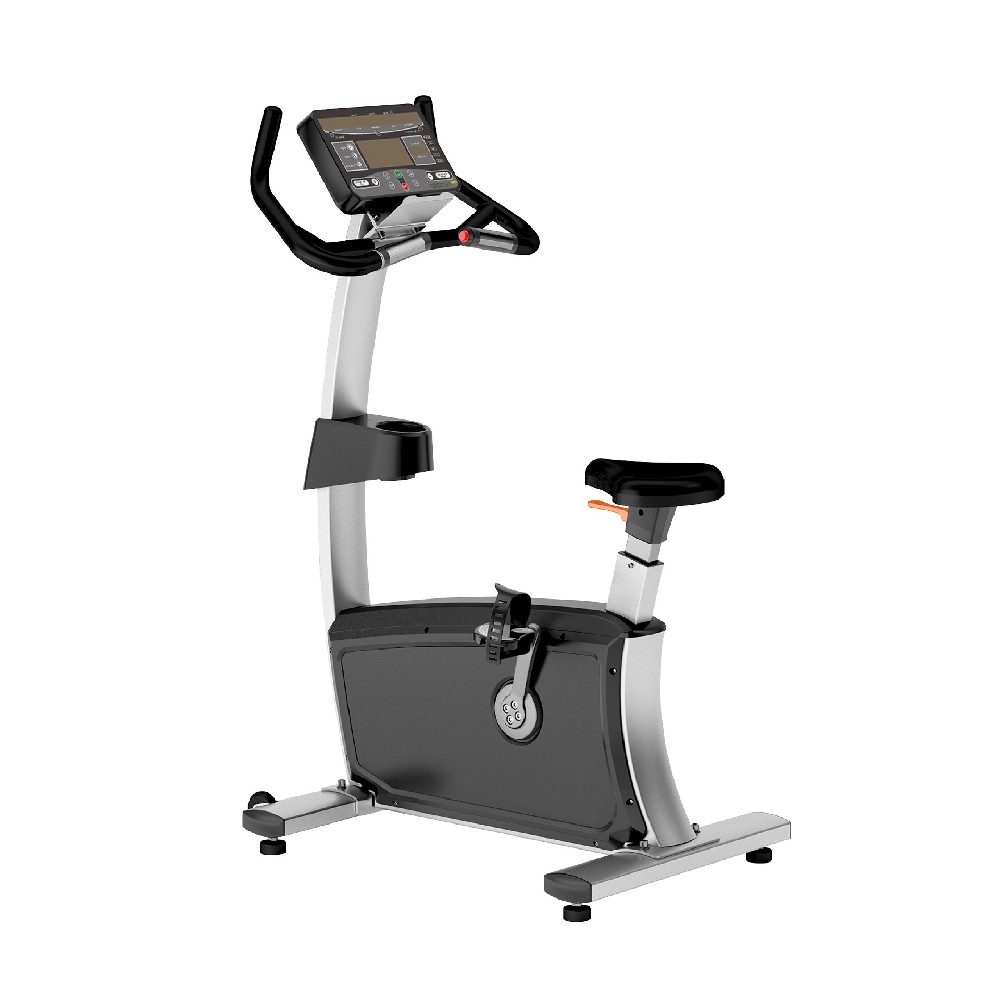
A well-rounded routine combines both. Cardiovascular exercise (running, cycling, swimming) strengthens your heart, burns calories, and boosts lung capacity. Aim for 150 minutes of moderate-intensity cardio weekly, like brisk walking, or 75 minutes of vigorous activity, such as sprint intervals.
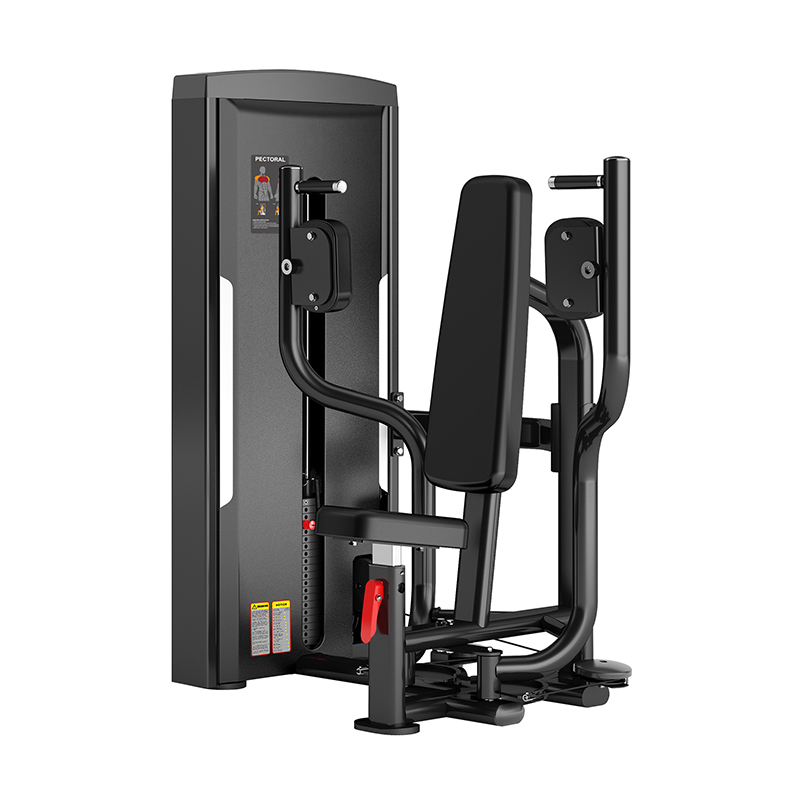
Strength training is equally vital. It builds muscle mass, which revs your metabolism and protects joints. Include compound movements—squats, deadlifts, push-ups, rows—that work multiple muscle groups. Train each major muscle group 2–3 times weekly, with 48 hours of rest between sessions for recovery.
Prioritize Form Over Weight
Poor form leads to injuries and reduces workout effectiveness. If you’re new, work with a trainer to learn proper techniques. For example, keep your back straight during deadlifts, and lower weights slowly to engage muscles fully. Start light, master the movement, then gradually increase resistance.
Fuel Your Body Wisely
Exercise and nutrition go hand in hand. Eat a balanced diet with protein (chicken, fish, tofu) to repair muscles, complex carbs (oats, quinoa) for energy, and healthy fats (avocado, nuts) for hormone health. Stay hydrated—dehydration slows performance and recovery. Avoid extreme calorie restriction; fuel your workouts to avoid fatigue.
Rest and Recover
Muscles grow during rest, not just in the gym. Aim for 7–9 hours of sleep nightly, as growth hormone peaks during deep sleep. Take 1–2 rest days weekly, or do active recovery like yoga or walking to reduce soreness. Overtraining increases injury risk and stalls progress—listen to your body.
Track and Adjust
Use a fitness app or journal to log workouts, reps, and how you feel. After 4–6 weeks, assess progress: Can you lift more? Run faster? If results plateau, change your routine—increase weight, try new exercises, or adjust rest periods. Consistency matters more than perfection, so stay patient and stay active.
By combining science-backed strategies with patience, you’ll build a stronger, healthier body that lasts. Start small, stay consistent, and celebrate every step forward—your future self will thank you.