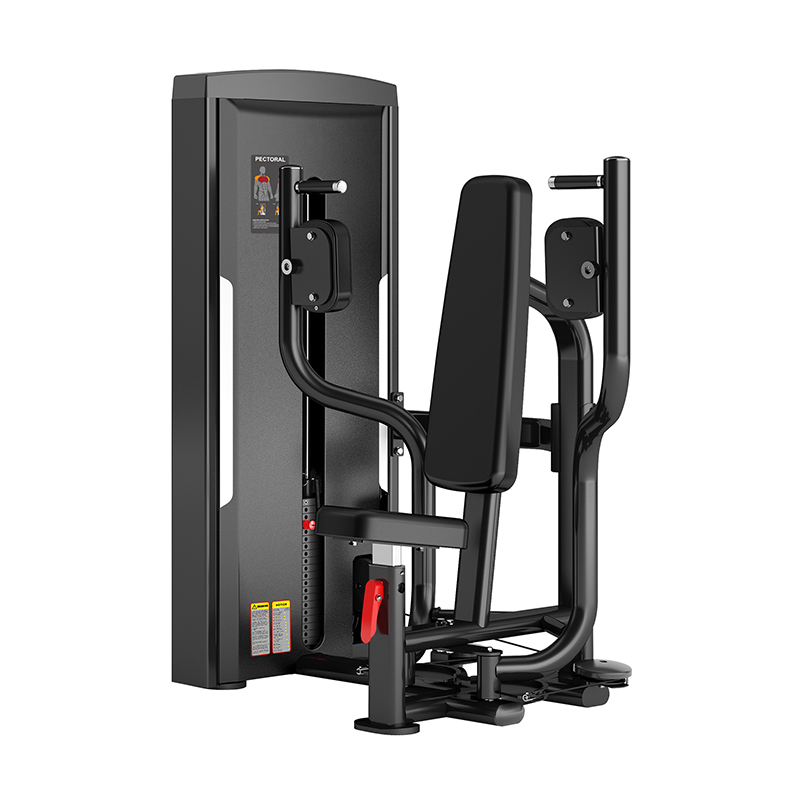
When it comes to sculpting a strong, defined chest, the seated chest press stands out as a foundational exercise in any gym-goer’s routine. Whether you’re a beginner learning proper form or an advanced lifter aiming to amplify muscle growth, mastering this machine-based movement can unlock significant gains. Let’s dive into why the seated chest press matters, how to perform it correctly, and how to integrate it into your workouts for maximum results.

Why the Seated Chest Press?
Unlike its standing or incline counterparts, the seated chest press offers stability that isolates your chest muscles (pectoralis major and minor) while reducing strain on your shoulders and lower back. This makes it ideal for:
Beginners: Easier to control than free weights like dumbbells or barbells.
Targeted growth: Focuses on the sternal head of the chest, which contributes to that coveted “full” look.
Safe progression: The fixed path of the machine allows you to push heavier weights without sacrificing form.
Perfect Form: Step-by-Step
Adjust the machine: Set the seat height so that the handles align with the middle of your chest. Your feet should rest flat on the floor, knees bent at a 90-degree angle.
Grip the handles: Use an overhand grip, hands slightly wider than shoulder-width apart. Avoid locking your elbows – keep a soft bend to protect the joints.
Position your torso: Press your back firmly against the pad, engage your core, and relax your shoulders (avoid hunching or shrugging).
Press and squeeze: Push the handles forward until your arms are nearly straight, then pause and squeeze your chest muscles for 1–2 seconds.
Return slowly: Lower the handles back to the starting position with control, feeling a stretch in your chest. Avoid letting the weights slam back.
Common Mistakes to Avoid
Arching your lower back: This shifts tension to your shoulders and reduces chest engagement. Keep your spine neutral.
Rushing the movement: Fast, jerky reps minimize muscle activation. Focus on slow, controlled motions.
Over-gripping: Clenching the handles too tightly can cause forearm fatigue. Maintain a firm but relaxed grip.
Programming for a Fuller Chest
Incorporate the seated chest press into your upper-body workouts 1–2 times per week. Try this rep scheme:
Beginners: 3 sets of 12–15 reps with light to moderate weight.
Intermediates: 4 sets of 8–12 reps, increasing weight as you get stronger.
Advanced: Add drop sets or supersets (e.g., seated press followed by push-ups) to boost intensity.
Pair it with complementary exercises like incline dumbbell presses (for upper chest) and cable flyes (for isolation) to build a balanced, three-dimensional chest.
Final Thoughts
The seated chest press isn’t just a “beginner” exercise – it’s a versatile tool for anyone looking to build thickness and definition in their chest. By prioritizing form, controlling the movement, and progressively increasing weight, you’ll unlock the full potential of this underrated gem. Give it a spot in your next workout, and watch your chest grow stronger and fuller over time.