Building strong, functional legs is a cornerstone of any effective fitness routine, yet many gym-goers struggle to maximize results while avoiding injury. This comprehensive guide breaks down the essential leg training equipment, proper techniques, and critical mistakes to avoid for optimal lower body development.

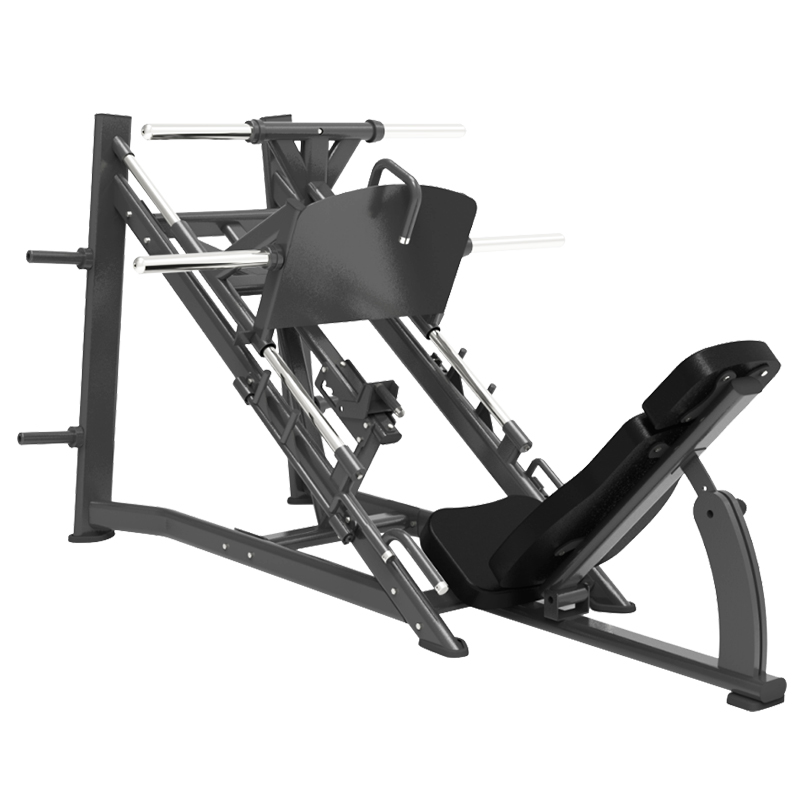
The leg press machine remains a staple for controlled lower body strength building when used correctly. Start by adjusting the seat so your knees form a 90-degree angle at full extension, feet shoulder-width apart on the platform. Push through your heels, not toes, and avoid locking your knees at the top position—this common error strains knee ligaments. Lower the platform slowly until your thighs are parallel to the floor, maintaining a natural spine curve to protect your lower back.
For targeting quads specifically, the leg extension machine requires precise form. Sit with your back pressed against the pad, ankles properly positioned under the roller. Extend legs slowly without arching your lower back, pausing briefly at full extension before controlled lowering. Never use momentum—this reduces muscle engagement and increases joint stress.
Calf development demands attention too. The standing calf raise machine works best when you maintain upright posture, shoulders back, and core engaged. Rise onto your toes as high as possible, feeling the contraction in your gastrocnemius, then lower below starting position for a full stretch. Avoid swinging your body to lift heavier weights than you can control.
Smith machines offer stability for squats but present unique challenges. Position your feet slightly forward of your hips, grip the bar at shoulder width, and keep your chest up throughout the movement. Descend until thighs are at least parallel to the floor, pushing through heels to return. The fixed path doesn’t eliminate balance requirements—maintain proper knee tracking over toes to prevent valgus (knee collapse).
Common mistakes transcend equipment types: rushing repetitions, neglecting warm-ups, and improper weight selection. Always spend 5-10 minutes warming up with dynamic stretches and light cardio before leg workouts. Prioritize form over weight—lighter loads with perfect technique yield better results than heavy weights with compromised movement patterns.
Recovery is equally vital. Allow 48 hours between intense leg sessions for muscle repair and growth. Incorporate foam rolling for tight quads and hamstrings, and ensure adequate protein intake to support muscle development.
By mastering these equipment-specific techniques and avoiding fundamental errors, you’ll build stronger, more resilient legs while minimizing injury risk. Consistency with proper form beats occasional heavy lifting every time—your lower body will thank you with improved strength, stability, and aesthetic development.