In today’s fast-paced world, creating a home gym has become a smart solution for maintaining fitness without sacrificing time on commutes. Whether you have a spare room, a corner of your living area, or even a garage, designing an effective home workout space is achievable with the right planning.

Layout Design Basics
The first step is assessing your available space. Measure dimensions carefully to avoid overcrowding. A clear floor area of at least 6x6 feet is essential for bodyweight exercises and stretching. Position mirrors on one wall to check form during workouts – this small addition significantly improves exercise efficiency and safety.
Lighting matters too. Natural light is ideal, but if that’s limited, install bright, cool-toned LED lights to keep energy levels high. Ensure proper ventilation to prevent overheating during intense sessions. Consider rubber mats or interlocking floor tiles to protect floors and reduce noise.
Essential Equipment Selection
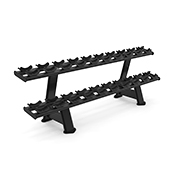
Start with versatile pieces that target multiple muscle groups. Adjustable dumbbells are a must-have – they save space while allowing weight progression. Look for sets ranging from 5 to 50 pounds to accommodate different exercises.
Resistance bands are another space-saving option, perfect for strength training and rehabilitation. Choose a set with varying resistance levels to suit different fitness stages.
A foldable workout bench adds versatility for exercises like chest presses, rows, and step-ups. Opt for one with adjustable incline settings to expand your exercise options.
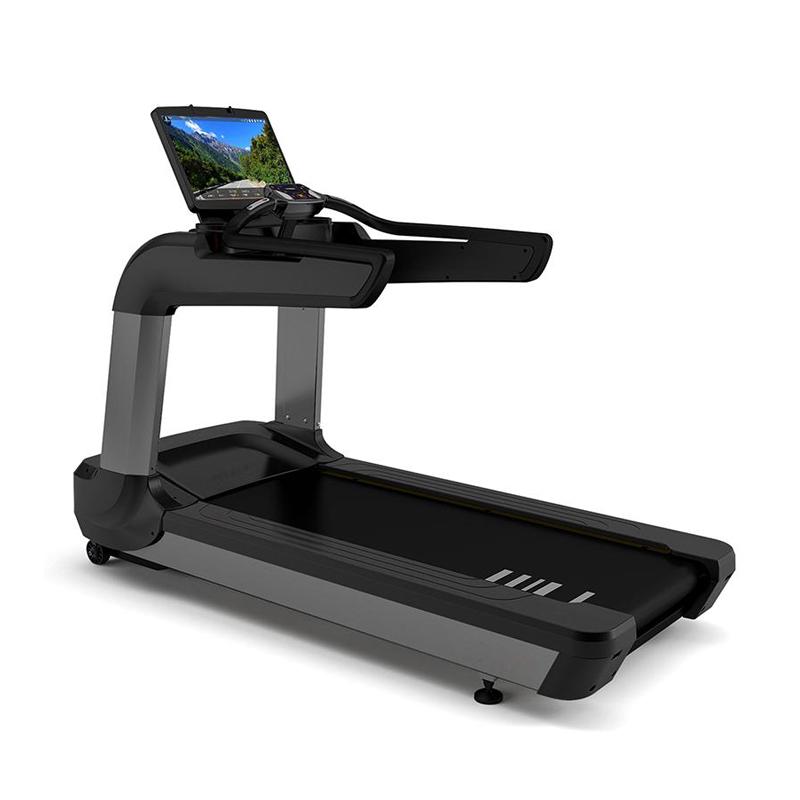
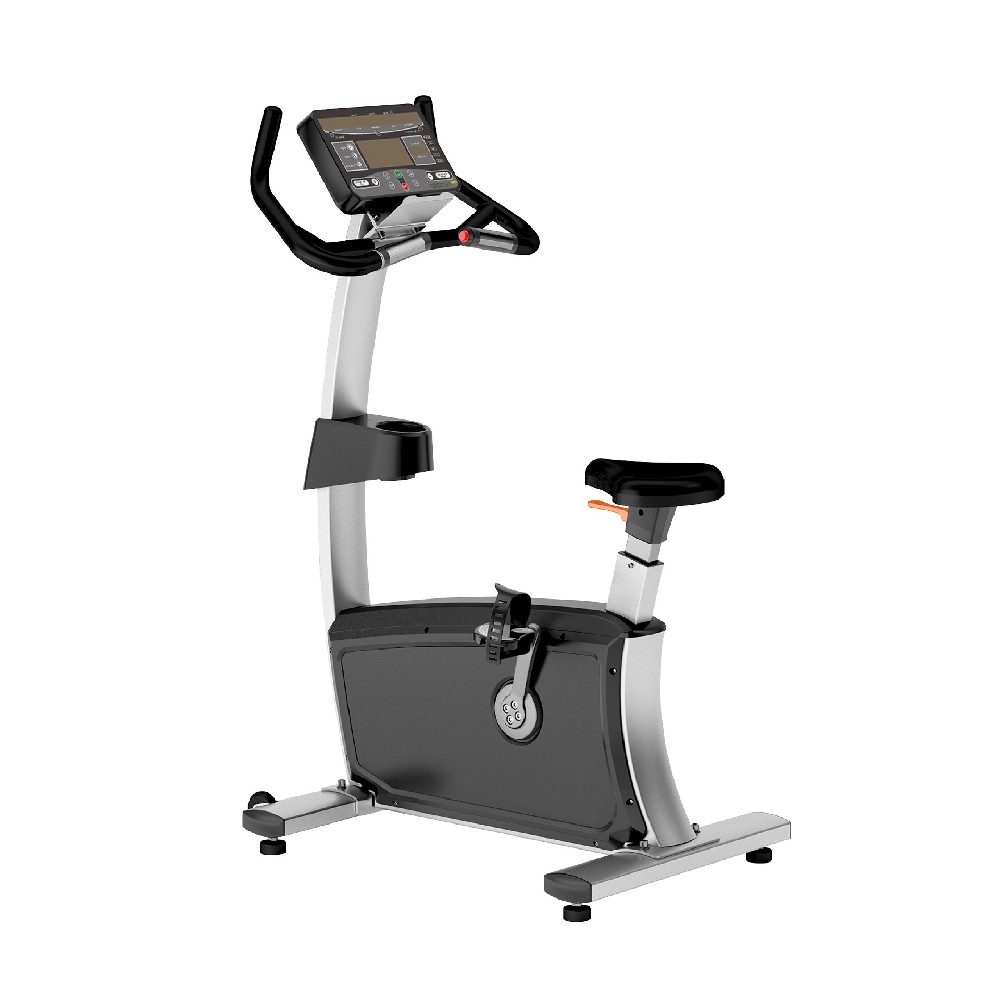
For cardio, consider a compact treadmill or stationary bike if space allows. If floor space is limited, jump ropes and stair climbing workouts provide effective alternatives.
Space-Saving Tips
Wall-mounted storage solutions keep equipment organized and accessible. Install hooks for resistance bands and yoga mats, and use shelves for dumbbells and smaller accessories. Foldable equipment can be stored in closets or under beds when not in use.
Prioritize multi-functional items to maximize workout variety without cluttering your space. A stability ball, for example, works for core training, balance exercises, and even as a substitute for a chair during stretching.
Creating Your Fitness Routine
With your space set up, design a balanced routine combining strength, cardio, and flexibility training. Schedule specific workout times to establish consistency, treating home gym sessions with the same commitment as gym visits. Track progress with a fitness app or journal to stay motivated.
Transforming a corner of your home into a functional gym doesn’t require a large budget or extensive space. By focusing on layout efficiency and versatile equipment, you can create a personalized fitness area that adapts to your needs and helps achieve long-term health goals. Start small, invest in quality basics, and expand your setup as your fitness journey progresses. Your home gym will soon become the most valuable room in the house.