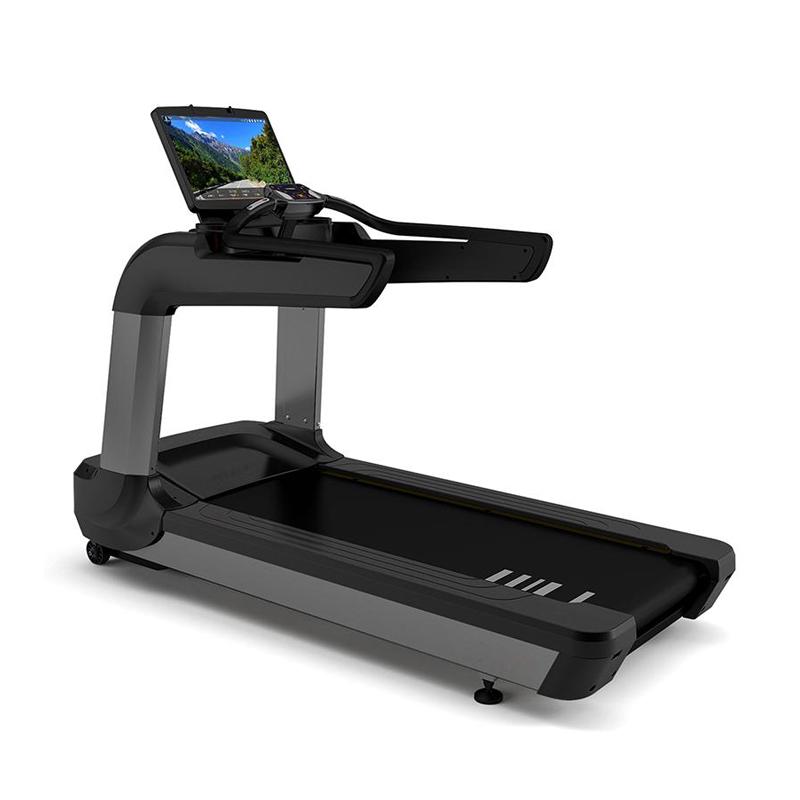
When stepping onto a treadmill, one question often arises: What incline setting actually works best? The answer isn’t one-size-fits-all, as optimal incline depends on your fitness goals, experience level, and physical condition. Let’s break down the science behind treadmill incline and how to adjust it for different scenarios.

For general fitness maintenance, most experts recommend starting with a 1-2% incline. This slight elevation compensates for the lack of wind resistance and terrain variation on treadmills, mimicking outdoor walking or jogging more accurately. Research shows that a 1% incline can counteract the reduced energy expenditure caused by the treadmill’s moving belt, making your workout more effective.
If weight loss is your target, increasing the incline becomes crucial. Studies indicate that inclines between 3-7% boost calorie burn significantly without excessive joint impact. A 150-pound person walking at 3.5 mph burns approximately 30% more calories at 5% incline compared to 0%. For steady fat-burning sessions, try maintaining 3-5% incline during 30-45 minute moderate-paced workouts.
Runner-specific training demands strategic incline use. Elite athletes often incorporate 5-10% incline intervals to build lower body strength and improve running economy. Hill repeats—short bursts at 7-10% incline followed by recovery periods—enhance leg power and cardiovascular endurance. However, keep total high-incline time under 20 minutes to avoid overexertion.
Beginners should approach incline gradually. Start with 0-2% for the first 2-3 weeks to master proper form and build basic stamina. Once comfortable, add 1% weekly, capping at 4% for the initial month. Listen for joint discomfort; knee or ankle pain signals the need to reduce incline immediately.
Rehabilitation and low-impact workouts require careful incline management. For post-injury recovery, 1-3% is ideal as it reduces stress on knees while still engaging leg muscles. Physical therapists often recommend 2% incline for patients rebuilding mobility, as it encourages natural gait patterns without strain.
Older adults or those with joint issues benefit from 1-3% incline settings. This range promotes muscle activation around joints without excessive pressure, supporting joint stability during exercise. Always consult a healthcare provider before starting if you have pre-existing conditions.
When adjusting incline mid-workout, make changes gradually—no more than 2% at a time. Sudden steep inclines can disrupt balance and form. Most treadmills allow quick incline adjustments via buttons or touchscreens; familiarize yourself with these controls before intense sessions.
Remember that consistency matters more than extreme settings. Even a 2-3% incline maintained throughout your workout delivers better results than sporadic high-incline bursts. Track how different inclines feel and adjust based on energy levels that day—some days 3% may feel challenging, while other days 5% might be manageable.
In summary, the "perfect" incline balances effectiveness and safety. Use 1-2% for general fitness, 3-7% for weight loss, 5-10% for running performance, and 1-3% for rehabilitation. By aligning your incline with specific goals and adjusting mindfully, you’ll maximize treadmill workouts while minimizing injury risk.