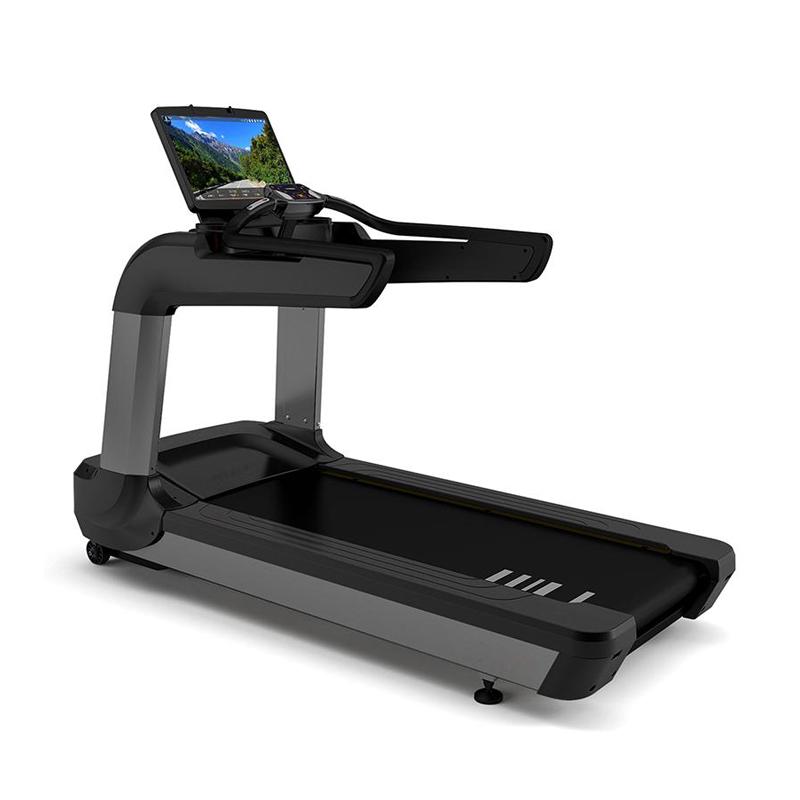
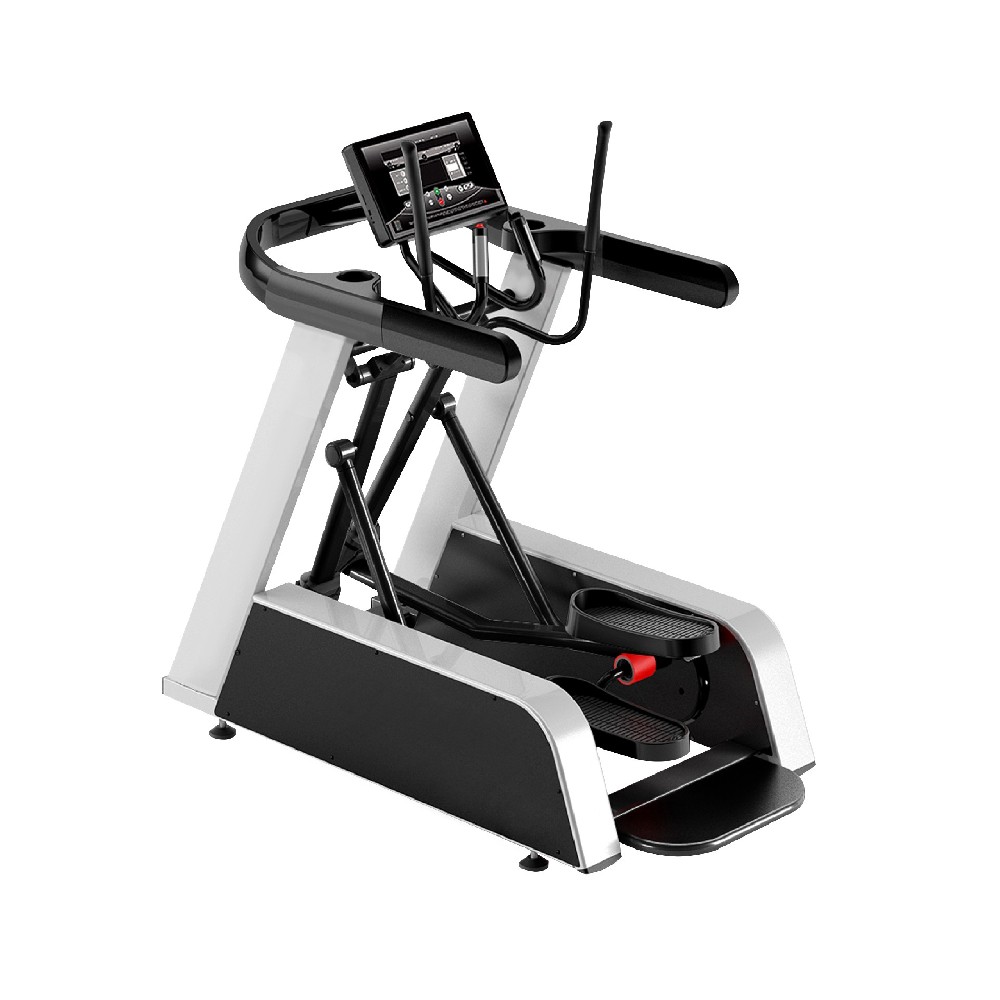
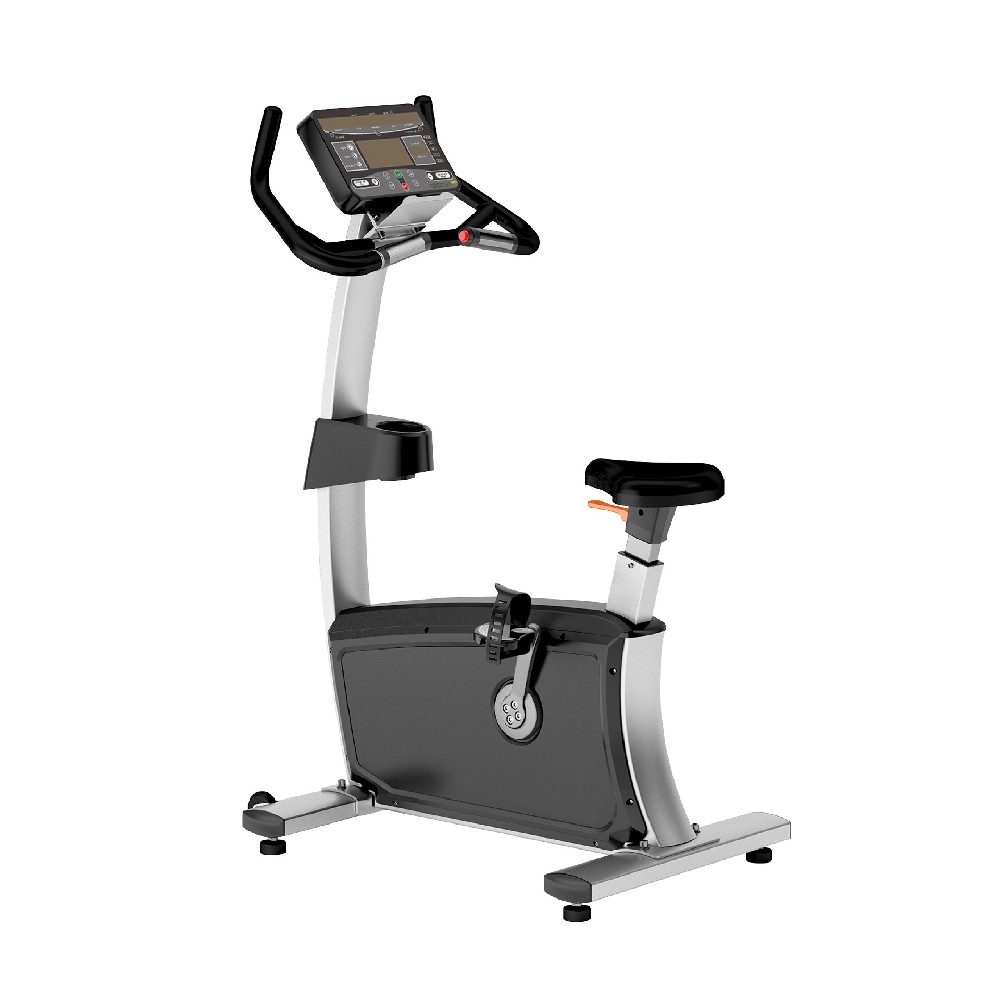
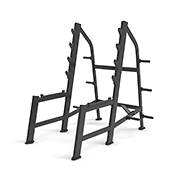
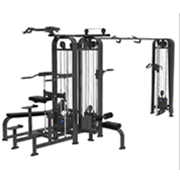
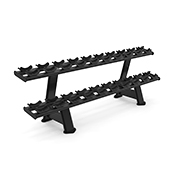
For anyone stepping into a gym for the first time, the array of equipment can feel overwhelming. Dumbbells clank, barbells line the racks, and complex machines with pulleys and pads stand like silent puzzles. It’s no wonder many beginners freeze up, unsure where to start. That’s precisely why most fitness professionals advise newbies to begin their journey with fixed machines rather than jumping straight into free weights or advanced exercises.

Safety is the top priority for beginners, and fixed machines deliver on this front. Unlike free weights that require precise form to avoid injury, machines guide your movements along a predetermined path. This built-in structure prevents excessive strain on joints and muscles, reducing the risk of strains, sprains, or worse. For those still learning proper biomechanics, this guidance is invaluable—it lets you focus on building strength without worrying about balancing heavy loads or maintaining perfect alignment.
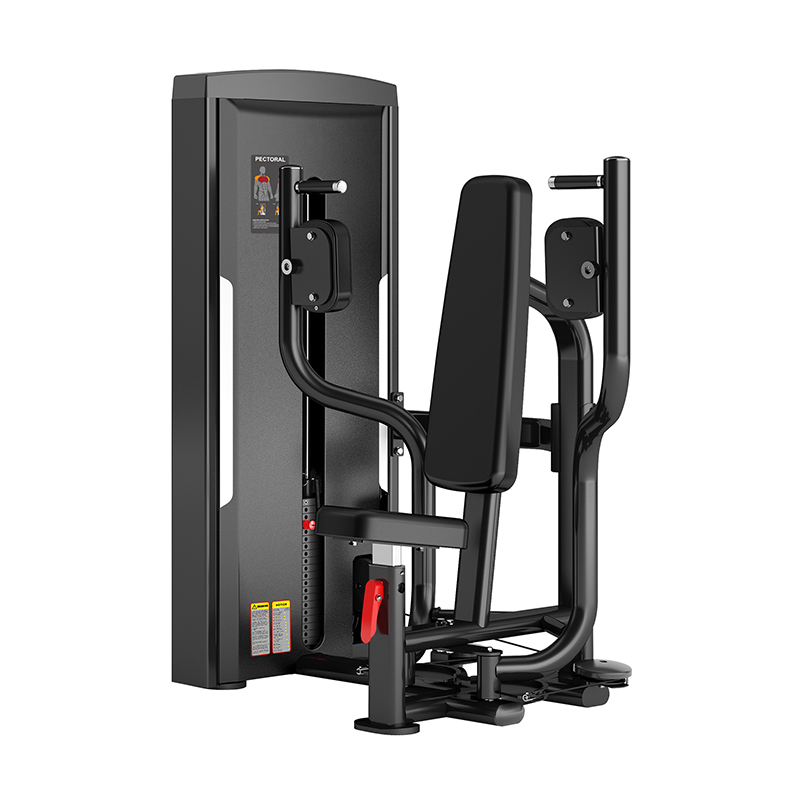
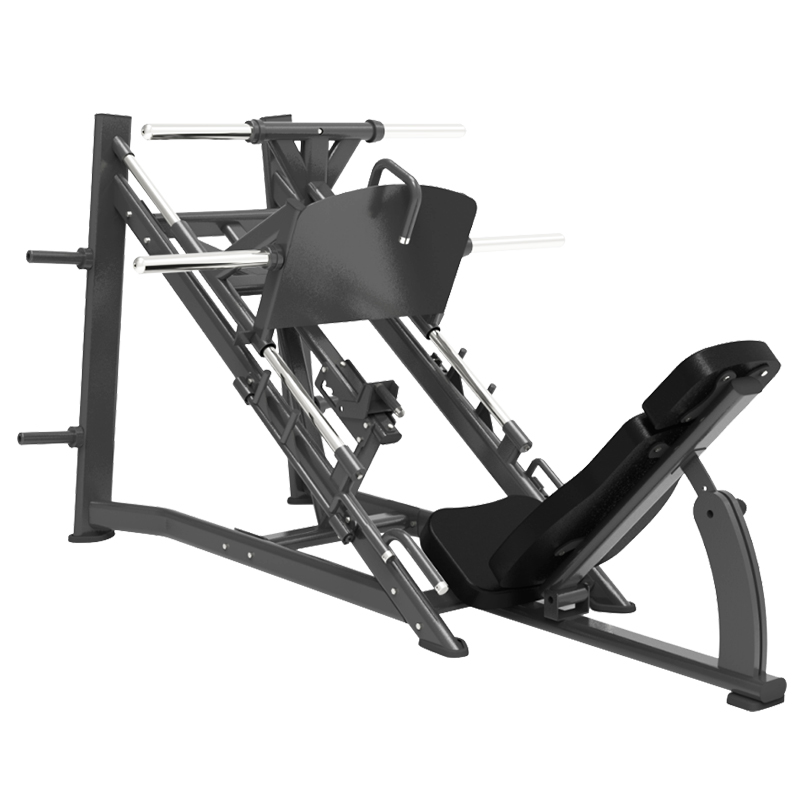
Machines also simplify the learning process by eliminating guesswork. Each machine targets specific muscle groups with clear instructions, often printed right on the equipment. A leg press machine obviously works your lower body; a chest fly machine isolates your pectorals. This clarity helps beginners understand which muscles they’re engaging, creating a foundation of body awareness that’s crucial for long-term progress. You won’t waste time wondering if you’re using the right equipment for your goals.
Progressive overload, the key to building strength, becomes much easier with machines. Most models feature simple weight stacks that let you incrementally increase resistance in small, manageable steps. This contrasts with free weights, where adding 5 or 10 pounds at a time can feel like a huge leap. For beginners, being able to make steady, measurable gains boosts confidence and motivation—two factors that significantly impact whether someone sticks with their fitness routine.
Machines also promote consistency, another cornerstone of successful fitness journeys. Their straightforward operation means you can create a repeatable workout routine from day one. You won’t need to spend extra time setting up equipment or adjusting weights mid-workout, making it easier to stay on track and build the habit of regular exercise. This consistency helps establish a rhythm, turning gym sessions from daunting tasks into manageable parts of your schedule.
Perhaps surprisingly, machines also help build the mind-muscle connection essential for advanced training later on. By isolating muscles in a controlled environment, beginners learn to recognize when specific groups are working. This awareness transfers directly to free weight exercises down the line, making those more complex movements safer and more effective once you’re ready to progress.
Of course, machines aren’t meant to be a permanent solution. They’re stepping stones. Once you’ve built a foundation of strength, proper form, and confidence, you can gradually introduce free weights and functional training. But starting with machines ensures you avoid common pitfalls that derail many new fitness enthusiasts—injuries, confusion, and frustration.
So next time you walk into the gym, don’t overlook those rows of fixed machines. They’re not just for “casual” exercisers—they’re powerful tools designed to help beginners build the skills, strength, and confidence needed to thrive in their fitness journeys. Follow the guidance of professionals, start strong with machines, and watch as your gym anxiety fades, replaced by the satisfaction of steady progress.