Launching a new gym involves countless decisions, and selecting the right cardio equipment ranks among the most critical. Making informed choices here not only saves your budget but also reduces long-term maintenance headaches. Here’s your practical guide to navigating this process successfully.

Start with budget allocation. Experts recommend dedicating 30-40% of your fitness equipment budget to cardio machines, as they attract consistent foot traffic. Prioritize quality for high-usage items while finding cost-effective solutions for secondary options. Avoid overspending on fancy features that clients rarely use—focus on core functionality instead.
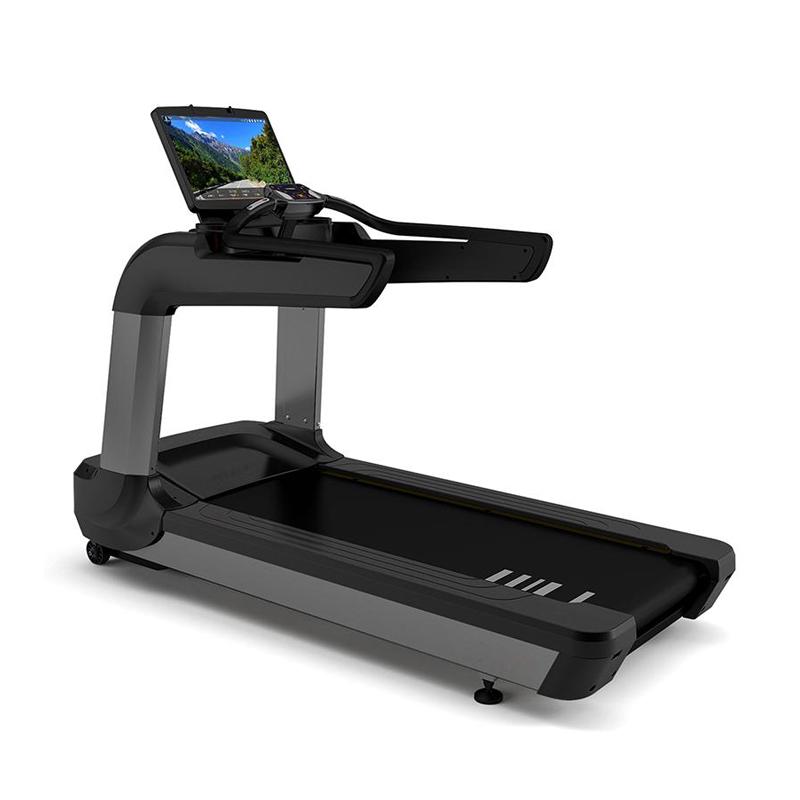
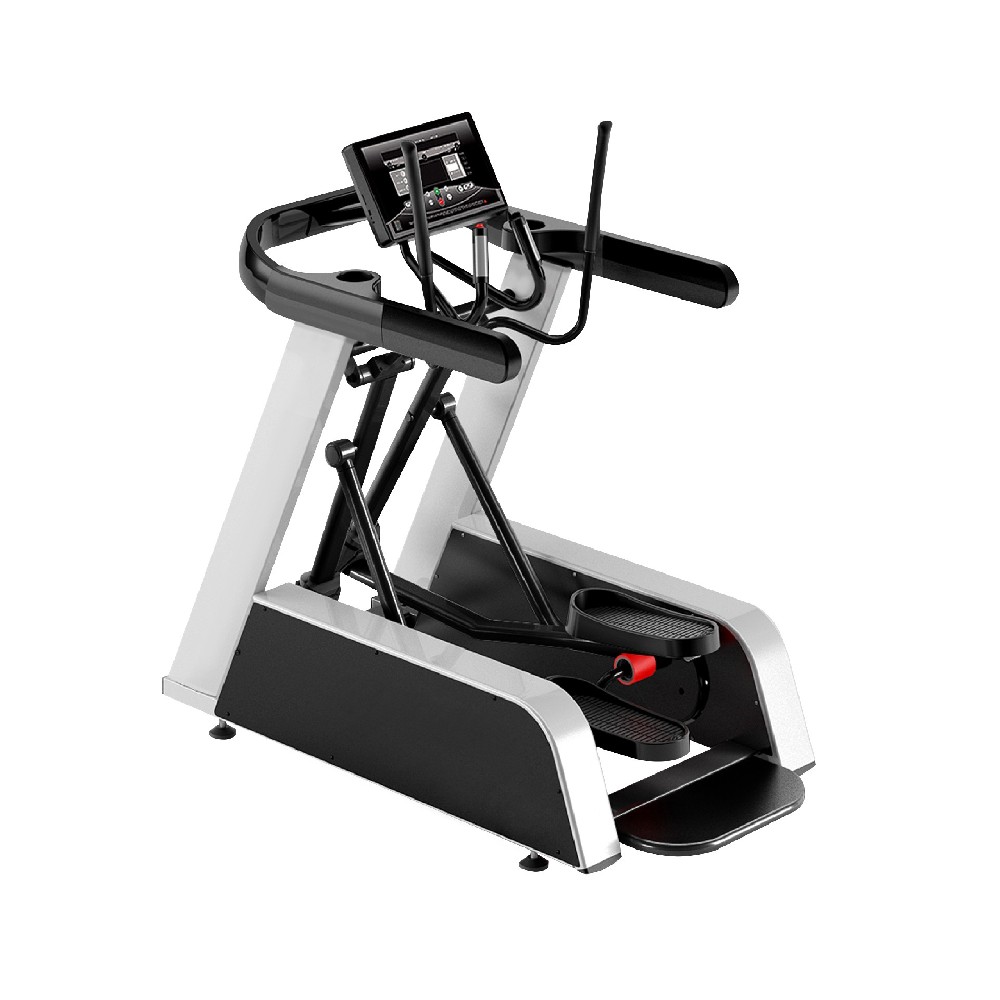
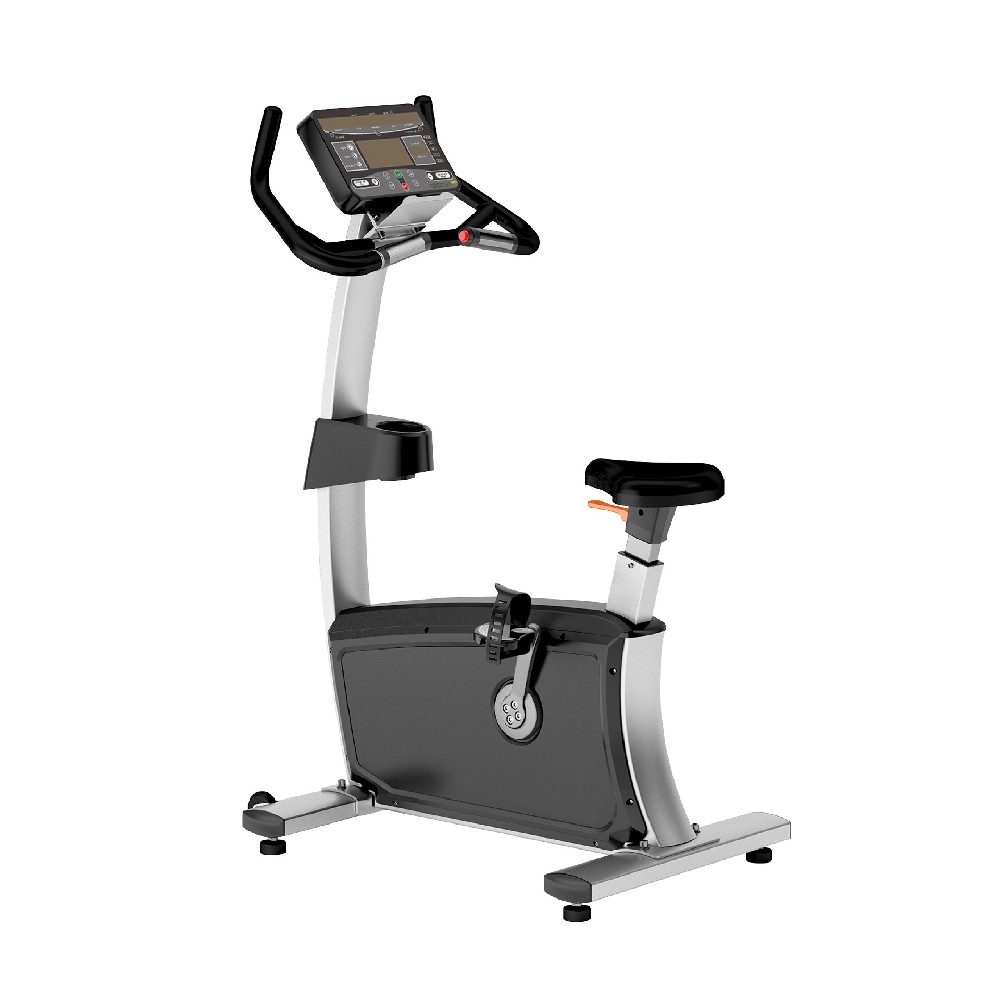
Understand your target demographic. If your gym caters to general fitness enthusiasts, a balanced mix works best: treadmills (30-40% of cardio floor), stationary bikes (25-30%), ellipticals (15-20%), and rowing machines (10-15%). For specialized facilities like boutique studios, adjust ratios accordingly—spin studios might prioritize bikes exclusively, while wellness centers could emphasize low-impact options.
Durability should be non-negotiable. Commercial-grade equipment costs more upfront but proves cheaper over time. Look for steel frames with at least 5-year warranties, reinforced belts, and easy-access maintenance panels. Cheaper consumer models break down frequently, leading to unexpected repair costs and downtime that frustrates members.
Consider space efficiency. Compact ellipticals and upright bikes save valuable floor space compared to bulky treadmills or recumbent models. Wall-mounted options like folding treadmills work well for smaller facilities. Measure your floor plan carefully, leaving adequate clearance between machines for safety and comfort—typically 2-3 feet minimum.
Energy efficiency matters too. Newer models with LED displays and low-power consumption reduce utility bills significantly over time. Some equipment even features energy-generating technology that feeds power back to your grid, offering long-term savings.
Test before bulk purchasing. Order demo units to evaluate performance firsthand. Check for smooth operation, noise levels, and intuitive controls. Invite potential members or fitness instructors to test them—their feedback reveals real-world usability issues manufacturers might not disclose.
Research supplier reliability. Established brands with local service centers minimize downtime when repairs are needed. Compare warranty terms: look for at least 1 year on parts and labor, with extended options for critical components like motors and consoles.
Avoid trendy equipment with limited appeal. While new technologies seem exciting, basics like quality treadmills and bikes remain customer favorites. Focus on reliable workhorses that deliver consistent performance rather than gimmicky machines that quickly become obsolete.
Finally, plan for scalability. Start with essential pieces and expand gradually based on member feedback. This approach prevents over-investment in underused equipment while allowing you to adapt to changing fitness trends cost-effectively.
By following these guidelines, new gym owners can build a cardio section that satisfies members, stays within budget, and minimizes operational headaches—laying a strong foundation for business success.