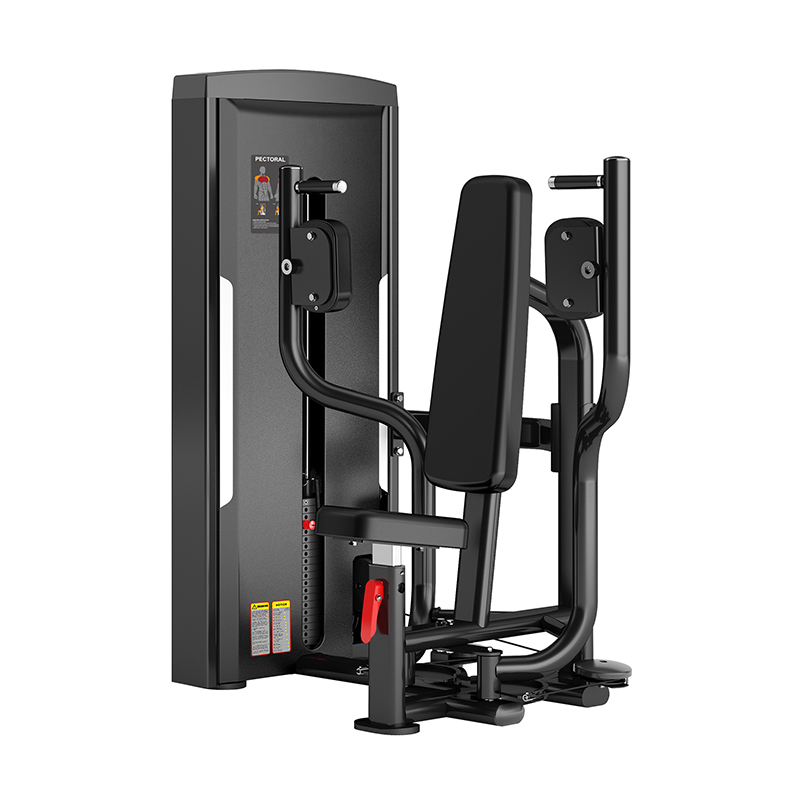
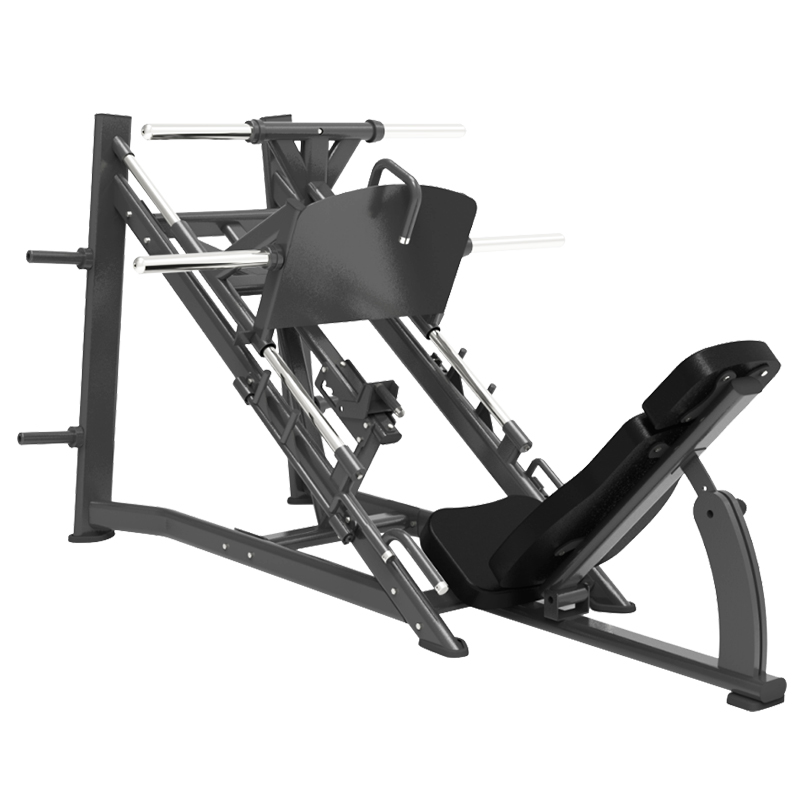
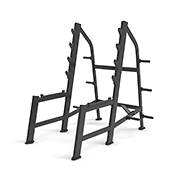
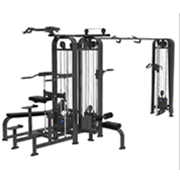
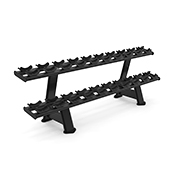
When exploring fitness equipment options, understanding the fundamental differences between commercial and home models is crucial for making informed decisions. These two categories are designed with distinct purposes, usage patterns, and environments in mind, resulting in significant variations in construction, functionality, and cost.

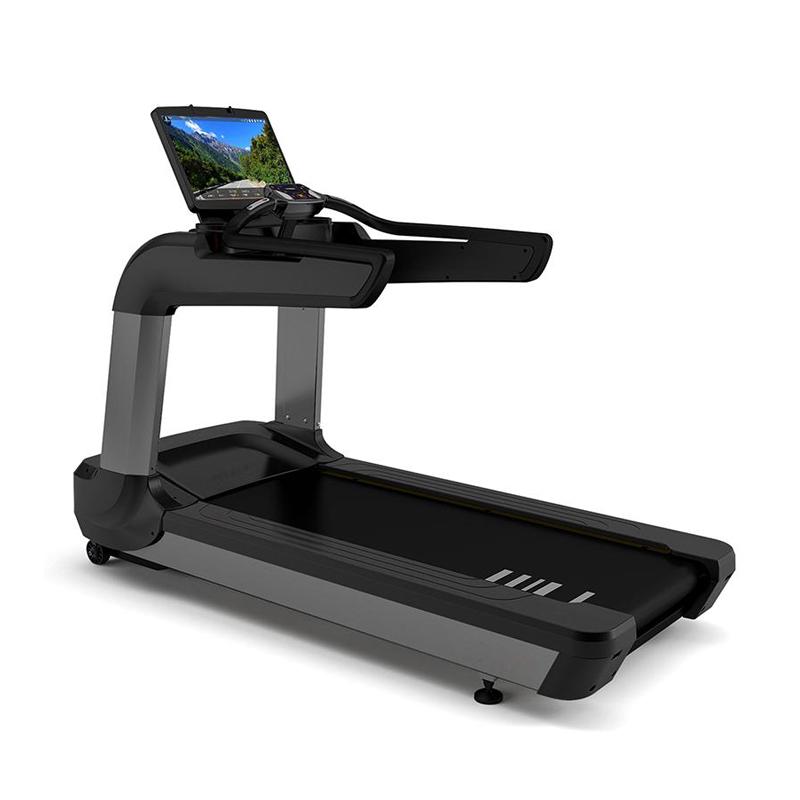
Durability and Construction stand as the most striking difference. Commercial fitness equipment is built to withstand relentless daily use by multiple users—often 8–12 hours a day in gym settings. Manufacturers use heavy-gauge steel frames, reinforced welds, and industrial-grade components to ensure longevity. For example, commercial treadmills feature thicker running decks and more robust motor systems capable of continuous operation without overheating. In contrast, home equipment prioritizes cost-effectiveness and lighter construction, with materials designed for moderate, intermittent use by 1–2 people.
Performance capabilities also diverge significantly. Commercial machines typically offer superior performance metrics, such as higher weight capacities on strength equipment (often 400–600 lbs) and more powerful motors on cardio machines (3.0–5.0 HP on treadmills). They provide smoother operation and more precise resistance systems, essential for accommodating users with varying fitness levels and training goals in commercial settings. Home equipment, while sufficient for regular workouts, usually has lower weight limits (250–350 lbs) and less powerful motors (1.5–3.0 HP), optimized for casual to moderate training intensity.
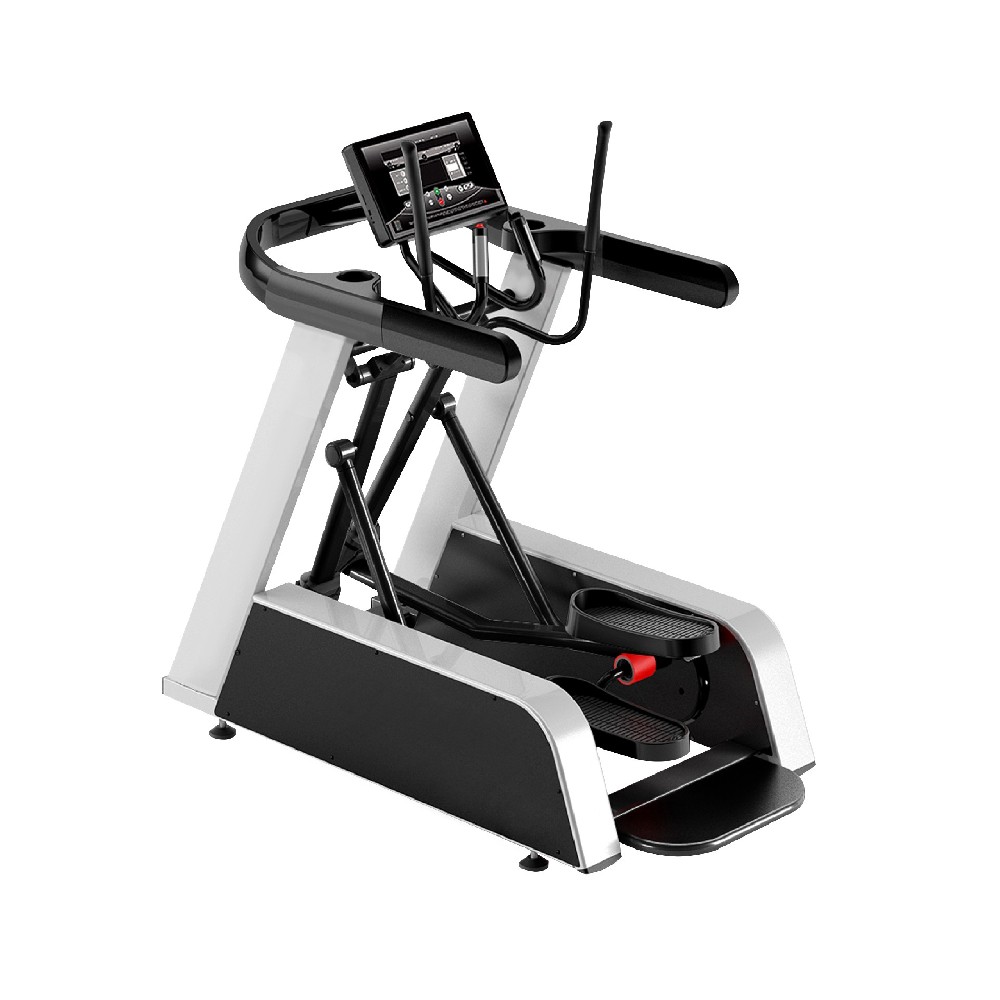
Functionality and adjustability cater to their respective user bases. Commercial equipment often features extensive customization options to meet diverse user needs. Multi-functional commercial strength stations include numerous workout configurations, while cardio machines offer advanced programming with hundreds of workout presets. Home equipment, however, tends to focus on space efficiency and simplicity, with streamlined designs that may combine multiple functions in one compact unit (like foldable treadmills or all-in-one home gyms) without the same level of adjustability.
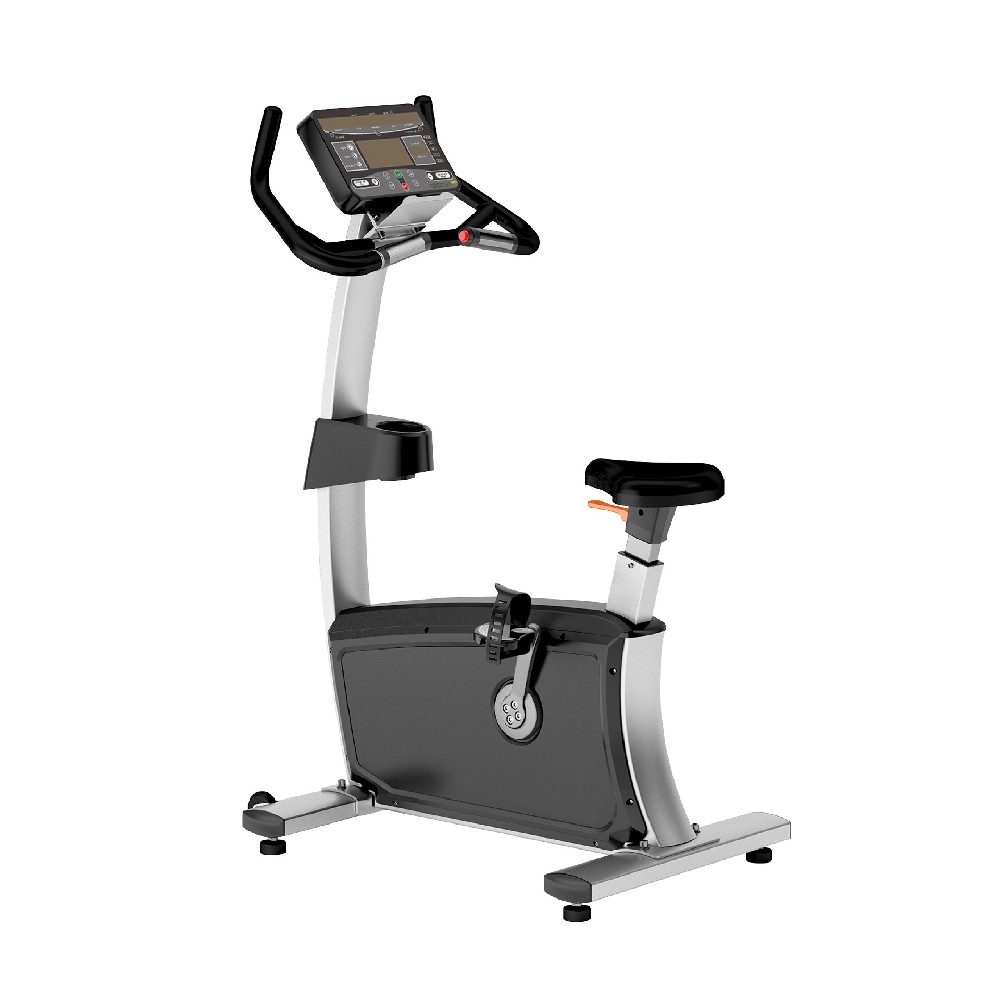
Space requirements and design reflect their intended environments. Commercial machines are generally larger, heavier, and non-foldable, designed to remain in fixed positions in spacious gym facilities. Home equipment prioritizes space-saving features, including foldable designs, compact footprints, and lighter weights for easier relocation. Many home treadmills and exercise bikes can be folded or stored vertically when not in use, a feature rarely found in commercial models.
Cost considerations naturally follow these design differences. Commercial equipment comes with significantly higher price tags, often 2–5 times more expensive than home versions, reflecting their superior construction and performance. The long-term investment in commercial equipment pays off for gyms through reduced replacement costs, while home users benefit from more affordable options that fit their budget and usage frequency.
Understanding these core differences helps consumers align their purchase with actual needs. Commercial equipment excels in high-usage professional settings where durability and performance are non-negotiable, while home equipment offers practical solutions for personal fitness spaces with moderate usage demands.