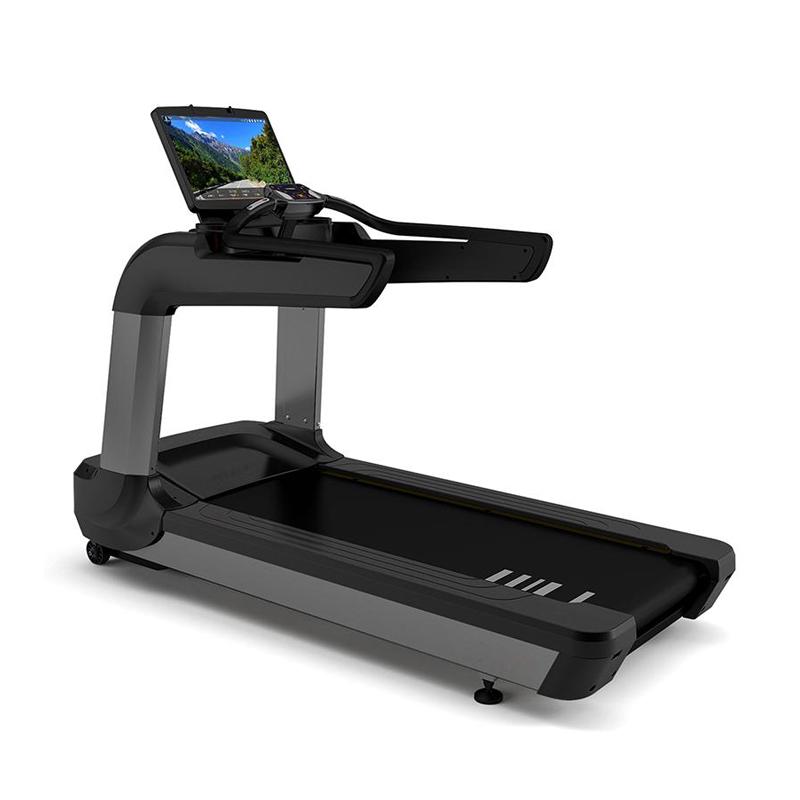
In an era where time is scarce and convenience reigns supreme, a quiet revolution has been unfolding in homes worldwide. The humble treadmill, once confined to gym floors, has migrated into living rooms, bedrooms, and home gym corners, fundamentally reshaping how people approach physical activity. This shift isn’t just about equipment placement—it’s redefining consistency, accessibility, and the very nature of modern fitness routines.

The traditional barriers to exercise have long plagued urban dwellers: gym membership costs, commuting time, weather restrictions, and scheduling conflicts. Treadmills in home environments are dismantling these obstacles one by one. Recent fitness industry reports show a 47% increase in home treadmill sales over the past five years, coinciding with a 32% rise in regular home exercisers. This correlation highlights a clear trend: proximity breeds consistency.
Modern treadmill technology has played a pivotal role in this transformation. Today’s models offer far more than just a moving belt. Integrated touchscreens stream live classes, virtual running trails transport users to global destinations, and Bluetooth connectivity syncs workouts with fitness apps. These features address the biggest complaint about home workouts—monotony—by creating engaging experiences that rival gym environments.
Time efficiency has become a defining advantage. A survey by the American College of Sports Medicine found that home treadmill users average 2.3 more workouts per week compared to gym-only exercisers. The ability to squeeze in a 20-minute run between meetings or after childcare duties eliminates the "all-or-nothing" mentality that often derails fitness goals. This flexibility has proven especially valuable for parents, remote workers, and professionals with unpredictable schedules.
Weather independence represents another game-changing benefit. Seasonal changes and extreme weather no longer dictate exercise routines. In regions with harsh winters or scorching summers, treadmills provide year-round access to cardiovascular exercise, maintaining activity levels through all seasons. This consistency contributes to better long-term health outcomes, including improved cardiovascular health and sustained weight management.
The psychological impact of home treadmills shouldn’t be underestimated. The comfort of familiar surroundings reduces workout anxiety for many beginners, while visible equipment serves as a constant reminder of fitness goals. Studies show that environmental cues like home exercise equipment increase workout adherence by up to 40% compared to relying on external motivation alone.
However, this shift isn’t without challenges. Experts caution against over-reliance on technology and emphasize the importance of proper form to prevent injuries. Finding balance between structured treadmill workouts and outdoor activities remains key to maintaining overall fitness diversity.
As remote work becomes permanent for millions and wellness takes center stage in healthcare, the treadmill’s migration from gym to living room reflects deeper societal changes. It represents a move toward personalized, sustainable fitness that adapts to modern lifestyles rather than demanding conformity to traditional gym schedules. In this new landscape, the question isn’t whether treadmills belong in homes, but how we can best leverage this accessible technology to build healthier, more active lives.