Running is a popular form of exercise known for its numerous health benefits, including improved cardiovascular fitness and weight management. However, concerns about knee injuries often deter enthusiasts. Dr. Emily Carter, a renowned sports medicine specialist, shares five essential strategies to safeguard your knees while enjoying the run.

1. Master Proper Running Form
Your running posture directly impacts knee stress. Dr. Carter emphasizes, “Aligning your body correctly can reduce the impact force on your knees by up to 30%.” Keep your head up, shoulders relaxed, and land on your midfoot instead of your heel. Avoid overstriding, which forces your knee to absorb excessive shock. A slight forward lean from the ankles can also help distribute weight evenly. Consider recording yourself running or consulting a coach to identify and correct form issues.
2. Prioritize Strength Training
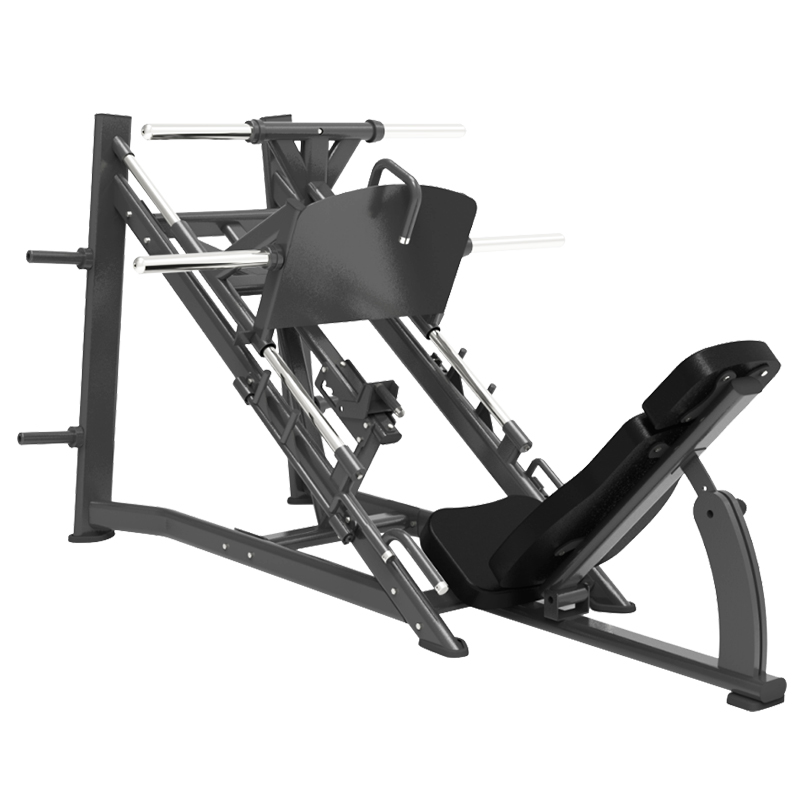
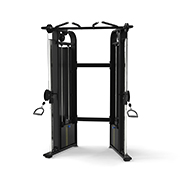
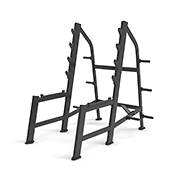
Weak muscles around the knees, especially the quadriceps and hamstrings, increase injury risk. Incorporate strength exercises like squats, lunges, and leg presses into your routine at least twice a week. Focus on single-leg movements, such as step-ups, to improve balance and stability. “Strong muscles act as natural shock absorbers,” Dr. Carter explains. Additionally, include calf raises to strengthen the lower leg muscles, which support knee function.
3. Gradually Increase Intensity
Suddenly ramping up your running distance or speed strains the knees. Follow the 10% rule: increase your weekly mileage or intensity by no more than 10%. For example, if you run 10 miles per week, limit the increase to 1 mile the following week. This gradual progression allows your knees to adapt. Dr. Carter warns, “Pushing too hard too fast is one of the most common causes of knee injuries among runners.”
4. Invest in Quality Running Shoes
The right footwear provides crucial knee support. Replace your running shoes every 300-500 miles, or when the midsole loses its cushioning. Visit a specialty running store for a gait analysis, which helps determine if you need shoes with extra stability, cushioning, or motion control. “Worn-out shoes can’t absorb shock effectively, increasing the impact on your knees,” Dr. Carter advises. Consider insoles or orthotics if you have specific foot conditions.
5. Listen to Your Body
Pain is your body’s warning sign. If you experience knee discomfort during or after running, stop immediately and rest. Dr. Carter recommends the RICE method—Rest, Ice, Compression, and Elevation—for minor injuries. Avoid ignoring persistent pain, as it could lead to serious conditions like tendonitis or meniscus tears. If symptoms persist, consult a healthcare professional for a proper diagnosis and treatment plan.
By following these expert tips, you can minimize knee injury risks and enjoy running for years to come. Remember, consistency is key—incorporate these strategies into your routine gradually and make knee health a priority. With the right approach, running can be a sustainable, injury-free activity that enhances both your physical and mental well-being.