Strong calf muscles are not only crucial for overall lower body strength but also essential for activities like running, jumping, and maintaining good posture. Whether you're an athlete looking to enhance performance or someone aiming to sculpt toned calves, a well-structured workout routine, coupled with proper warm-up and cool-down, is key. This guide will walk you through a scientific approach to calf muscle training.

The Importance of Warming Up
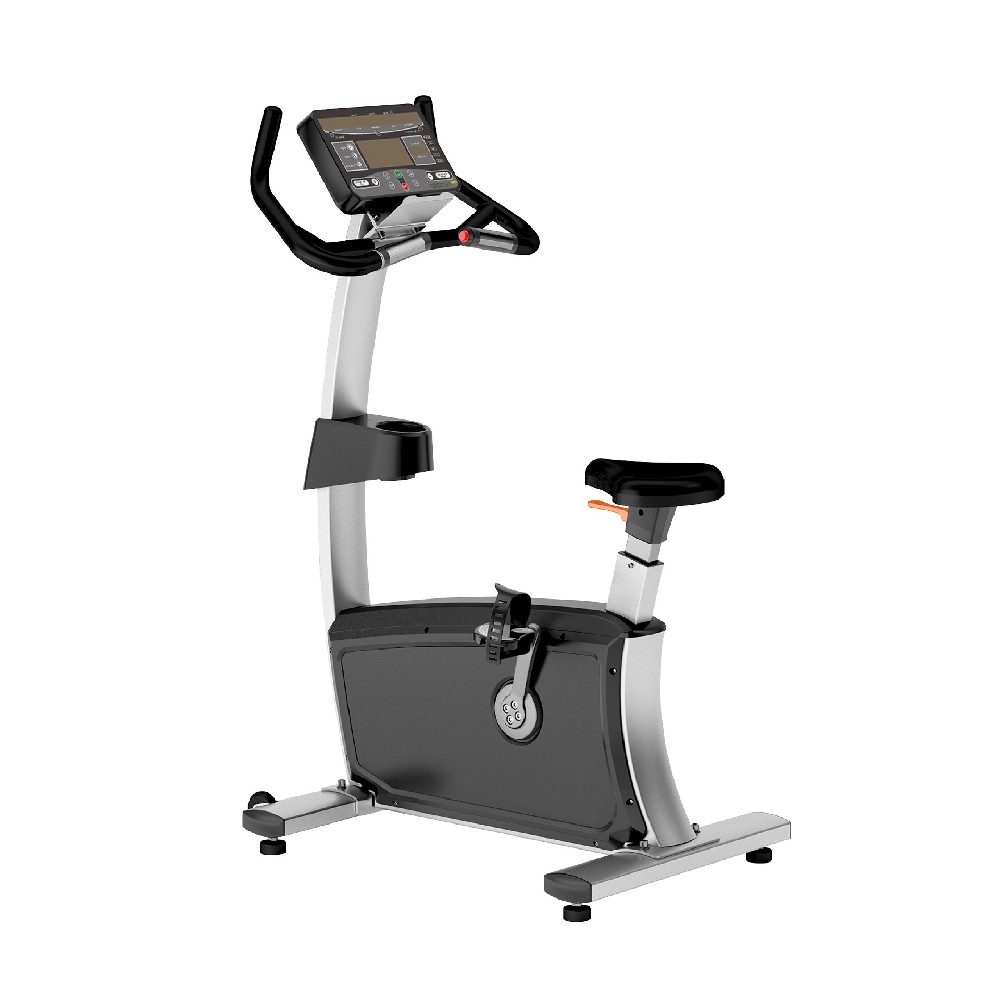
Before diving into calf exercises, warming up is non-negotiable. A proper warm-up increases blood flow to the muscles, raises body temperature, and reduces the risk of injury. Start with 5-10 minutes of light cardio, such as jogging in place, brisk walking, or cycling. This gets your blood pumping and primes your calf muscles for the upcoming workout.
Follow the cardio with dynamic stretching. For calves, try leg swings. Stand next to a wall for balance, and swing one leg forward and backward in a controlled motion, 10-15 times per leg. Another effective dynamic stretch is ankle rotations. Sit down, extend your legs, and rotate your ankles clockwise and counterclockwise for 10-15 seconds each.

Effective Calf Exercises
Standing Calf Raises: Stand on a step or platform with your heels hanging off the edge. Hold onto a stable surface for balance. Slowly lower your heels towards the floor, then rise up onto the balls of your feet as high as you can. Lower back down in a controlled manner. Aim for 3 sets of 12-15 reps.
Seated Calf Raises: Sit on a bench with a weight plate or barbell across your thighs just above your knees. Place your feet flat on the floor, then lift your heels up and down. This exercise targets the soleus muscle, which is deeper in the calf. Do 3 sets of 12-15 reps.
Jump Rope: Jumping rope is an excellent compound exercise that works the calves while also getting your heart rate up. Start with 1-2 minutes of continuous jumping and gradually increase the duration as your endurance improves.
Creating a Calf Training Plan
For optimal results, incorporate calf exercises into your routine 2-3 times a week, allowing at least 48 hours of rest between sessions. You can combine calf workouts with other lower body exercises or include them at the end of your regular strength training session. If you're a beginner, start with lower weights and reps, gradually increasing the intensity as your muscles adapt.
The Significance of Cooling Down
Cooling down is just as important as warming up. It helps your heart rate and blood pressure return to normal levels and reduces muscle soreness. After your calf workout, spend 5-10 minutes on static stretching. For calves, stand facing a wall, place one foot forward and the other back, and press your back heel into the floor while keeping your leg straight. Hold this stretch for 30 seconds and repeat for the other leg. You can also perform seated calf stretches by pulling your toes towards you while keeping your leg extended.
Massaging your calves with a foam roller or a massage ball can further aid in muscle recovery. Roll the foam roller from your ankle to your knee, applying gentle pressure and focusing on any tight areas.
In conclusion, a holistic approach to calf muscle training that includes proper warm-up, effective exercises, a well-planned routine, and adequate cool-down is essential for building strong, healthy calf muscles. By following these tips, you'll be on your way to achieving your calf muscle goals in no time.