Embarking on a fitness journey is exciting, but it's easy to fall into common traps that derail your progress. Despite spending hours at the gym or following strict routines, many fitness enthusiasts find themselves stuck in a rut, wondering why they aren't seeing the results they desire. The culprit often lies in these five prevalent but ineffective behaviors that can waste your precious time and energy.

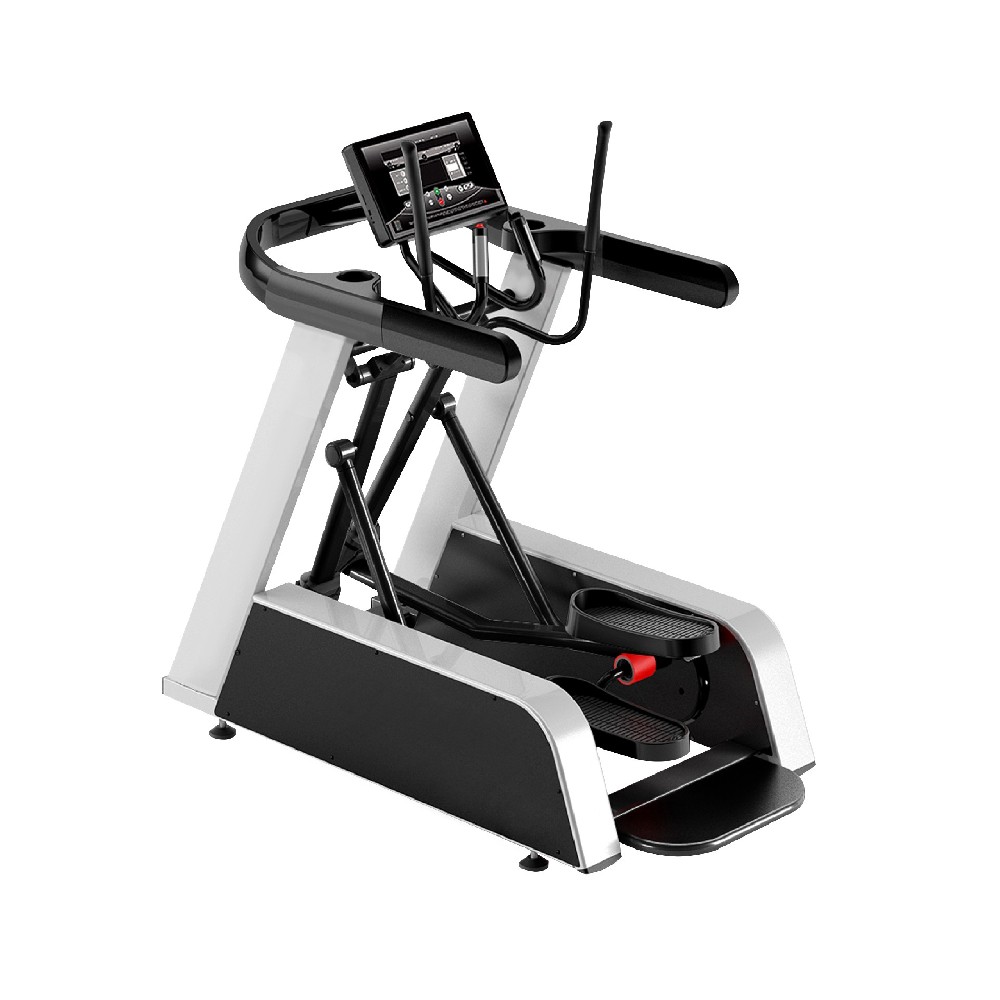
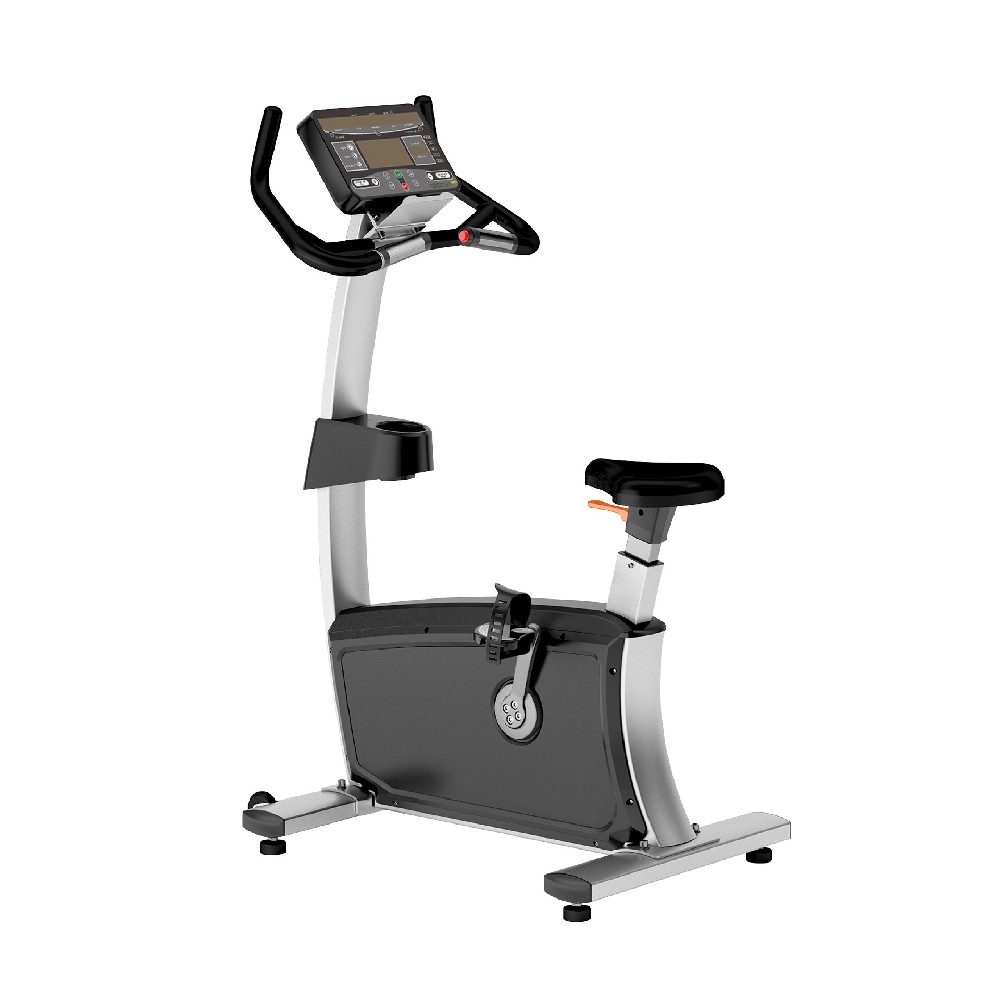
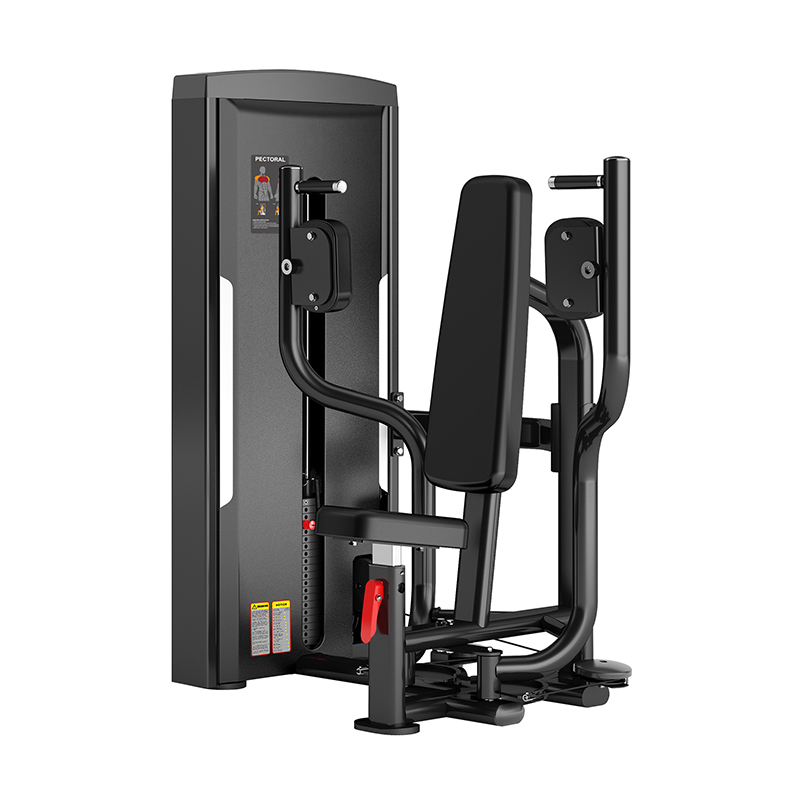
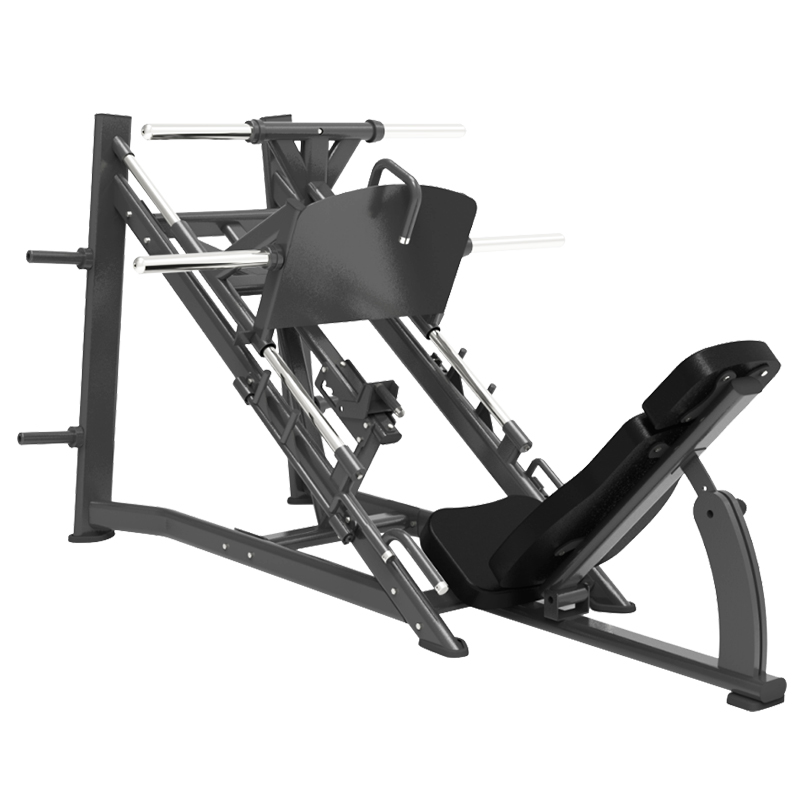
One of the most widespread mistakes is overemphasizing cardio while neglecting strength training. Cardio exercises, such as running, cycling, or using the elliptical machine, are excellent for improving cardiovascular health and burning calories. However, relying solely on cardio won't build muscle or increase your metabolism significantly. Muscle tissue burns more calories at rest than fat, so incorporating strength training into your routine, whether through weightlifting, bodyweight exercises, or resistance bands, is crucial. Aim for at least two to three strength training sessions per week to boost your metabolism, enhance your body composition, and achieve a more toned physique.

Another common pitfall is ignoring proper nutrition. You've probably heard the saying, "Abs are made in the kitchen," and it holds true. No matter how hard you work out, if your diet is poor, you won't see the best results. Many people make the mistake of believing that they can out-train a bad diet, but excessive calorie intake, especially from processed foods, sugary drinks, and unhealthy fats, will hinder your progress. Instead, focus on consuming a balanced diet rich in lean proteins, whole grains, fruits, vegetables, and healthy fats. Protein is essential for muscle repair and growth, while carbohydrates provide energy for your workouts, and healthy fats support various bodily functions. Additionally, make sure to stay hydrated by drinking plenty of water throughout the day, as dehydration can affect your performance and recovery.
Overtraining is also a significant issue that many fitness enthusiasts face. While it's natural to want to push yourself hard to achieve your goals, doing too much too soon can lead to fatigue, injury, and a weakened immune system. Your body needs time to rest and recover between workouts to repair damaged muscle tissue and grow stronger. Overtraining can disrupt this process, causing your progress to stall or even reverse. To avoid overtraining, listen to your body. If you're constantly feeling tired, sore, or lacking motivation, it may be a sign that you need to take a break. Additionally, incorporate rest days into your routine, and vary your workouts to give different muscle groups a chance to recover.
Many people also make the mistake of not setting clear goals. Without specific, measurable, achievable, relevant, and time-bound (SMART) goals, it's easy to lose focus and motivation. Whether your goal is to lose weight, build muscle, improve your endurance, or enhance your overall fitness level, having a clear target in mind will help you stay on track and make informed decisions about your workouts and nutrition. For example, instead of saying, "I want to lose weight," set a SMART goal like, "I want to lose 10 pounds in the next three months by following a balanced diet and exercising five times a week." This way, you have a clear plan of action and can track your progress along the way.
Lastly, improper form during exercises is a common but often overlooked mistake. Using incorrect form not only reduces the effectiveness of the exercise but also increases your risk of injury. Whether you're lifting weights, doing yoga, or performing bodyweight exercises, it's essential to learn and maintain proper form. If you're unsure how to perform an exercise correctly, consider working with a personal trainer or watching online tutorials. They can guide you through the proper technique and help you avoid common mistakes.
In conclusion, being aware of these five ineffective behaviors is the first step towards a more productive and rewarding fitness journey. By incorporating strength training, paying attention to nutrition, avoiding overtraining, setting clear goals, and using proper form, you can make the most of your time and efforts at the gym and achieve the results you've always wanted. Remember, fitness is a long-term commitment, and small, consistent changes can lead to significant improvements over time. So, start making these changes today and take your fitness to the next level!