If you’re scrolling through your fitness app, pondering whether to hit the treadmill or lift weights, you’re not alone. The age-old debate of strength training vs. aerobic exercise leaves many fitness enthusiasts scratching their heads. Understanding the unique benefits of each can transform your workouts from a guessing game into a strategic plan. Let’s dive into the science and discover which approach aligns with your fitness goals.

Unveiling the Power of Aerobic Exercise
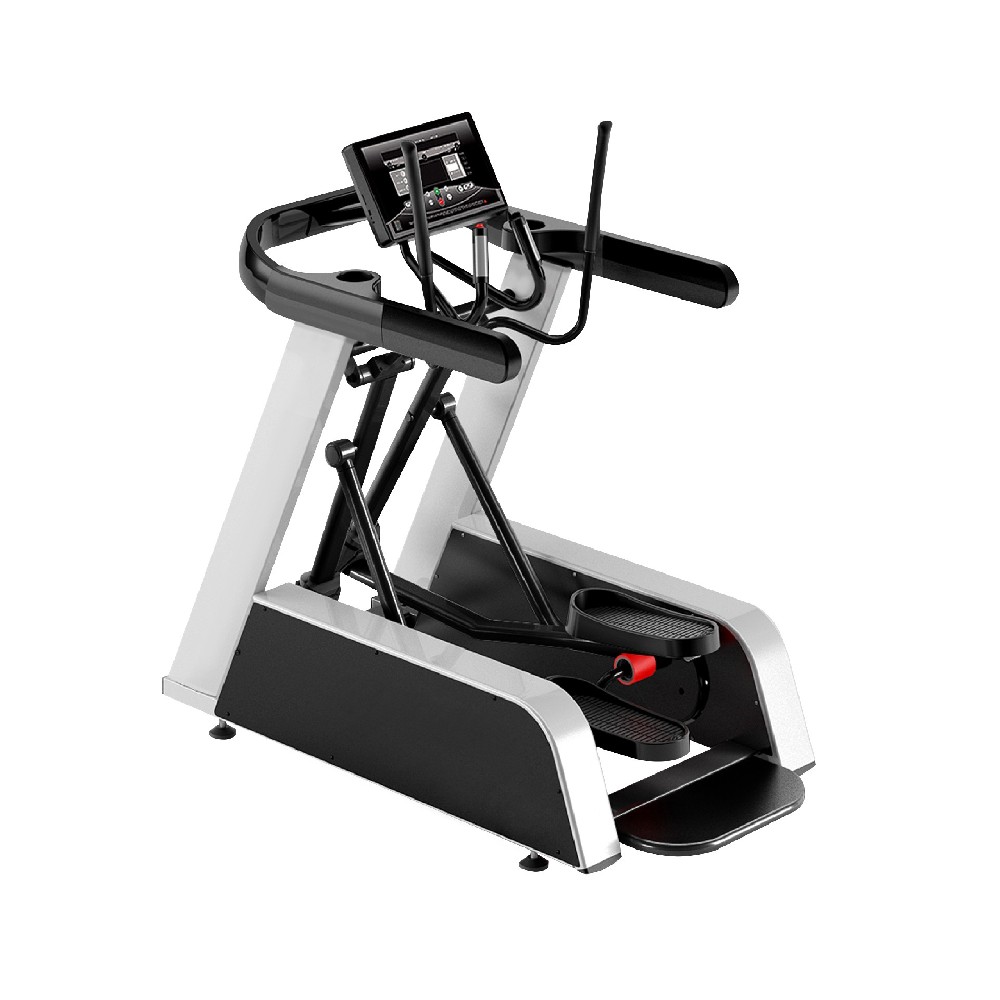
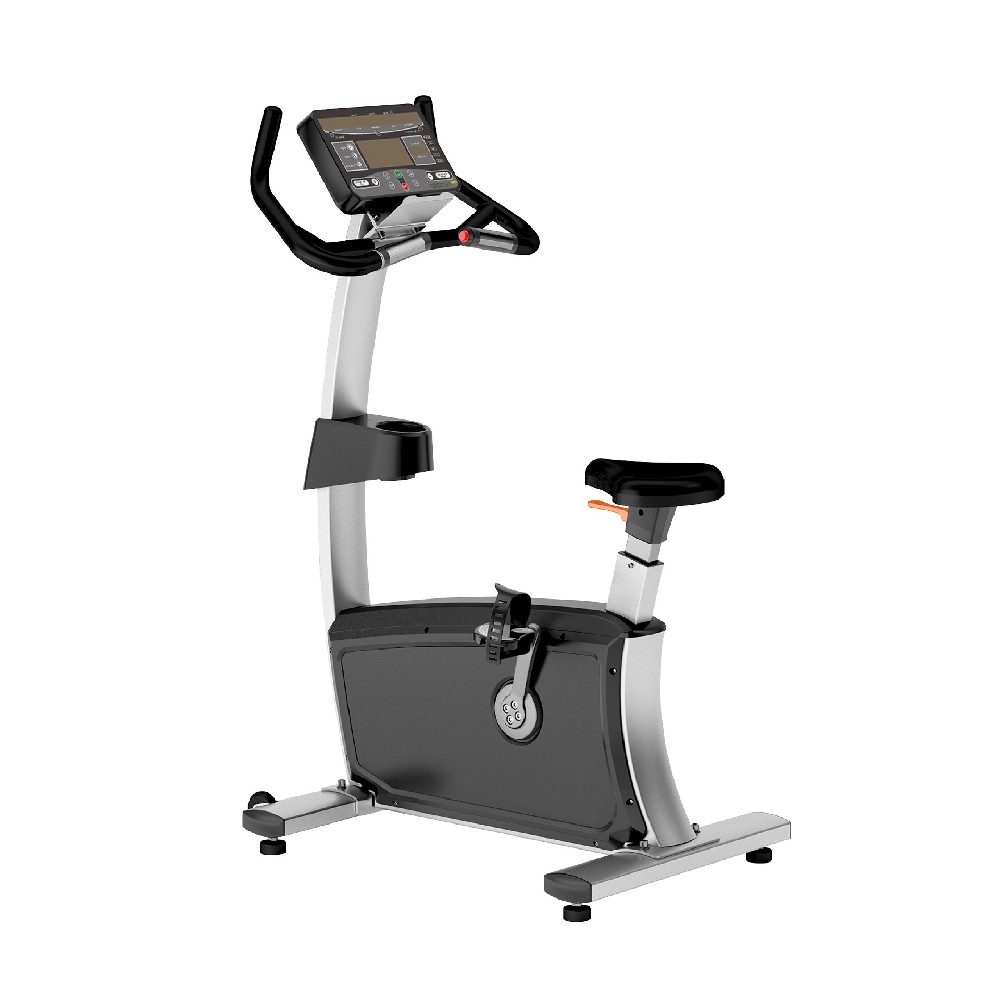
Aerobic exercises, often called “cardio,” elevate your heart rate and boost oxygen intake. Activities like running, cycling, and swimming offer immediate calorie burn and cardiovascular benefits. A study in the Journal of the American Heart Association found that regular cardio reduces the risk of heart disease by up to 35%. For those aiming to shed pounds quickly, aerobic workouts torch calories during exercise, making them ideal for short-term weight loss goals.
However, the magic doesn’t stop there. Cardio also enhances endurance, improves mood by releasing endorphins, and even promotes better sleep. But remember: overemphasizing cardio without strength training can lead to muscle loss, slowing down your metabolism in the long run.
The Science Behind Strength Training
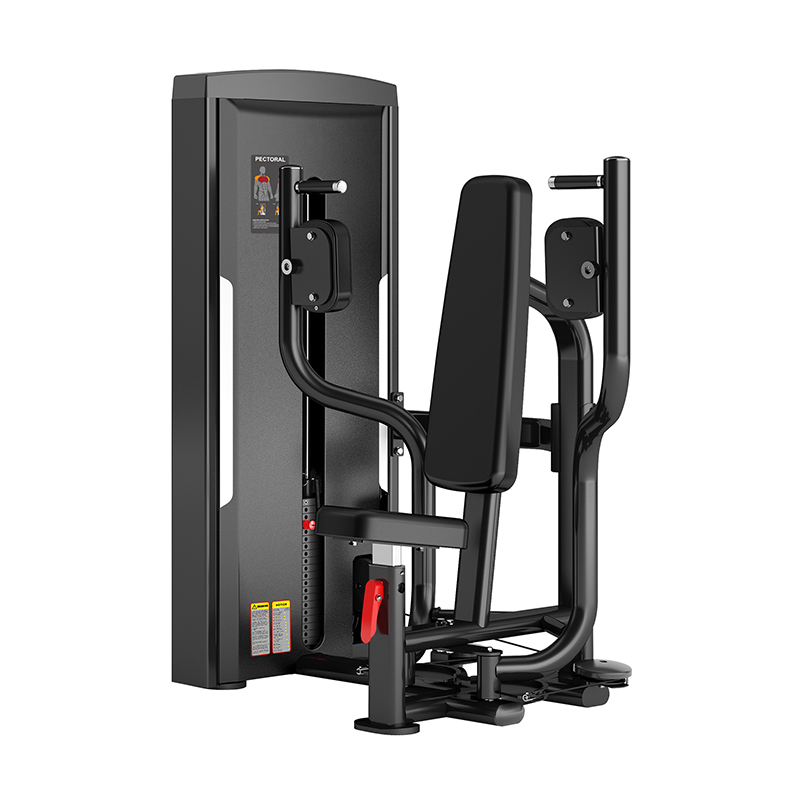
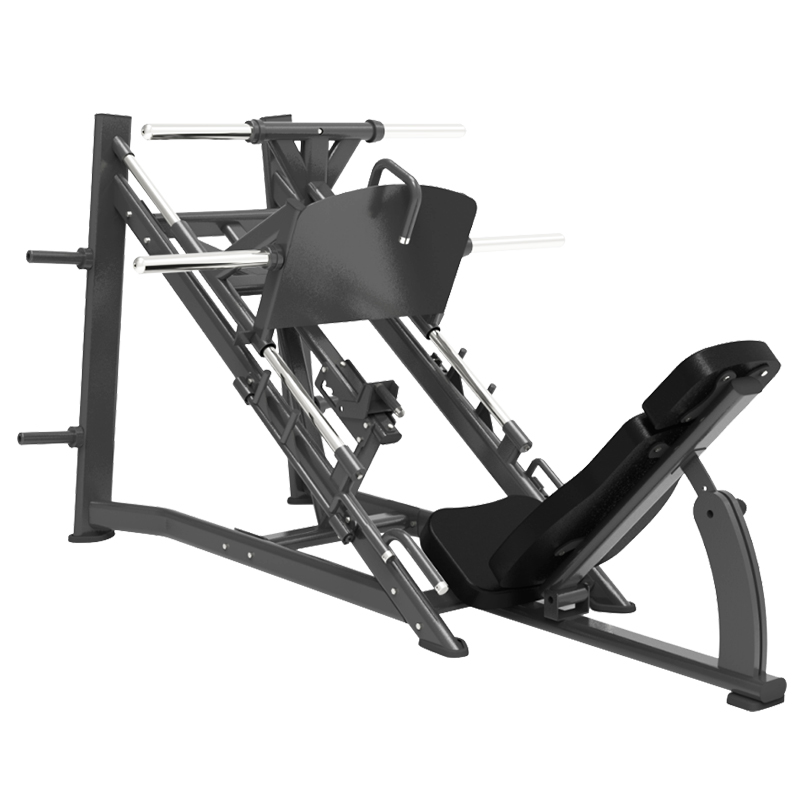
Strength training, including weightlifting and bodyweight exercises, focuses on building muscle mass and bone density. Unlike cardio’s immediate calorie burn, strength training offers a “metabolic afterburn.” Research from Medicine & Science in Sports & Exercise shows that resistance training can increase your resting metabolic rate, meaning you burn calories even at rest. This makes it a powerful tool for long-term weight management and body composition changes.
Moreover, strength training is crucial for functional fitness. As we age, muscle mass naturally declines, but consistent strength workouts preserve mobility and reduce injury risk. Whether you’re aiming for a sculpted physique or simply want to carry groceries without strain, strength training is essential.

Tailoring Your Routine to Your Goals
Weight Loss
If shedding pounds is your priority, a combination of both is key. Cardio provides an initial calorie deficit, while strength training maintains muscle mass, preventing your metabolism from crashing. Try 3–4 days of cardio with 2–3 strength sessions per week.
Muscle Gain
For building muscle, strength training takes center stage. Focus on compound movements like squats, deadlifts, and bench presses. Pair it with 1–2 light cardio sessions to improve recovery and cardiovascular health without interfering with muscle growth.
Overall Health
To boost heart health, endurance, and strength simultaneously, balance is crucial. Alternate between cardio and strength workouts throughout the week, ensuring you engage different muscle groups and energy systems.
Expert Tips for Success
Listen to Your Body: Beginners should start slow and gradually increase intensity to avoid injury.
Mix It Up: Incorporate HIIT (High-Intensity Interval Training) for a blend of both worlds, combining short bursts of strength exercises with cardio intervals.
Nutrition Matters: Fuel your body with protein for muscle repair after strength training and complex carbs for sustained energy during cardio.
In conclusion, the “strength vs. cardio” debate isn’t about choosing one over the other—it’s about understanding how they complement each other. By tailoring your routine to your goals and listening to your body, you can create a balanced workout plan that maximizes results and keeps you motivated. So, lace up those running shoes, grab those dumbbells, and start your journey to a fitter, healthier you!