Embarking on a fitness journey as a beginner can be exciting yet overwhelming, especially when deciding between strength training and cardio exercises. One common question that pops up is: Which should you do first for optimal results? The answer isn't one - size - fits - all and depends on your fitness goals, energy levels, and personal preferences. Let's dive into the science and practical advice to help you make an informed decision.

Understanding Strength Training and Cardio
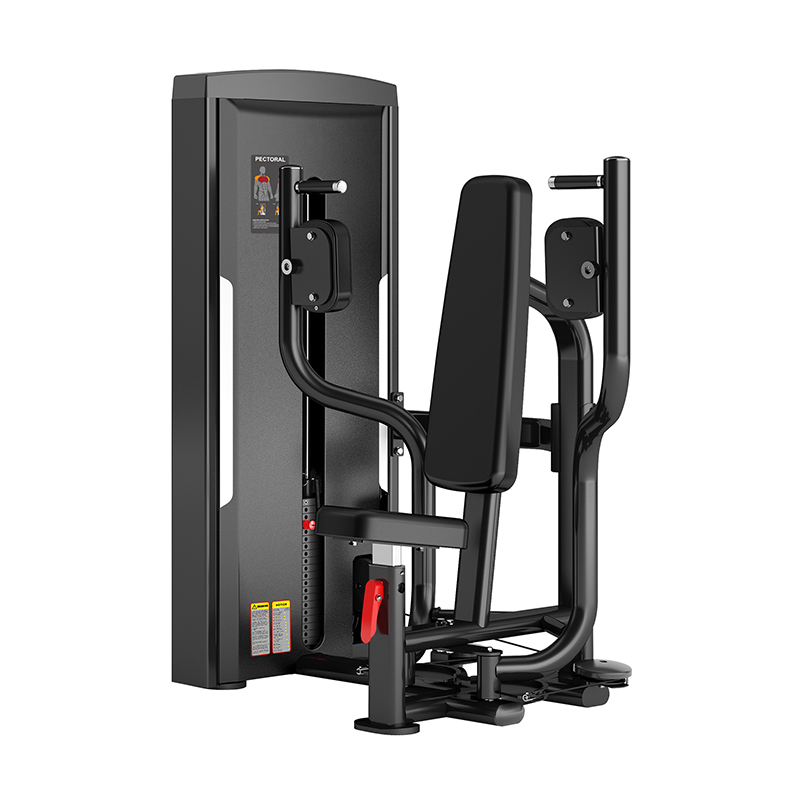
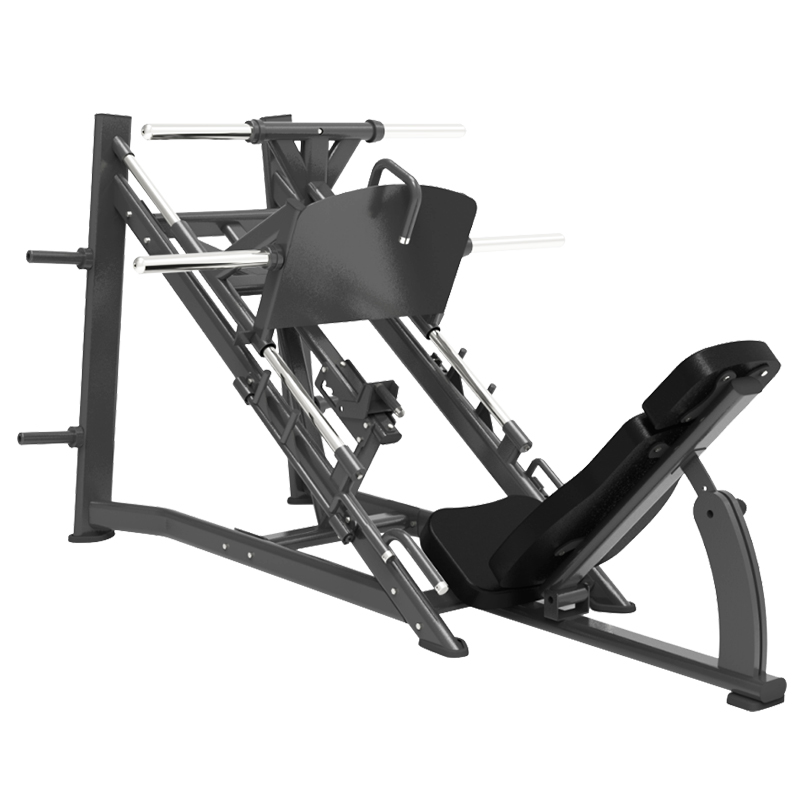
Strength training, also known as resistance training, involves exercises that use resistance to build muscle strength, endurance, and size. Think weightlifting, bodyweight exercises like push - ups and squats, or using resistance bands. Cardio, short for cardiovascular exercises, gets your heart rate up and improves your cardiovascular health. Running, cycling, swimming, and brisk walking are all great examples of cardio workouts.
If Your Goal is Muscle Building
If you're aiming to build muscle mass, it's generally recommended to start with strength training. When you lift weights, your body uses glycogen (stored carbohydrates) as the primary energy source. By starting with strength training, you deplete this glycogen reserve while challenging your muscles to grow. If you were to do cardio first, you'd use up some of that glycogen, potentially leaving less energy for an effective strength training session. This could result in reduced performance during strength exercises, meaning you can't lift as heavy or do as many reps, which is not ideal for muscle growth.
After strength training, you can finish with a moderate - intensity cardio session. This helps improve blood circulation, which can aid in muscle recovery and growth. However, avoid high - intensity cardio after strength training, as your body is already fatigued, and excessive exertion may lead to overtraining.

If Your Goal is Fat Loss
For those focused on losing weight, the order can be more flexible. Doing cardio first can increase your body's ability to burn fat. When you start a cardio workout, your body initially uses glycogen for energy. As you continue, especially during longer - duration, moderate - intensity cardio, your body starts to rely more on fat stores for fuel. However, starting with strength training also has its benefits. Strength training builds muscle, and more muscle means a higher resting metabolic rate. This means your body burns more calories even at rest.
A combination of both, with strength training first followed by cardio, can be effective. The strength training session helps build muscle and depletes glycogen, and then the subsequent cardio session can target the remaining fat stores more efficiently.
Consider Your Energy Levels
Your energy levels play a crucial role in determining the order of your workouts. If you're feeling tired or low on energy, starting with strength training might be difficult. In this case, doing a short, low - intensity cardio warm - up can increase blood flow and wake up your muscles, preparing you for the strength training session. On the other hand, if you're full of energy, starting with strength training allows you to perform at your best and get the most out of your weightlifting or bodyweight exercises.
General Tips for Beginners
Warm - up: Always start your workout with a 5 - 10 - minute warm - up, whether it's light jogging, dynamic stretching, or a few minutes on the elliptical. This helps prevent injuries.
Cool - down: After your strength and cardio sessions, finish with a cool - down that includes static stretching. This aids in muscle recovery and reduces muscle soreness.
Listen to Your Body: Don't push yourself too hard too soon. As a beginner, it's important to gradually increase the intensity and duration of your workouts to avoid burnout and injuries.
In conclusion, there's no definitive answer to whether strength training or cardio should come first. It ultimately depends on your fitness goals, energy levels, and how your body responds. Experiment with different orders, listen to your body, and you'll find the combination that works best for you on your fitness journey.