When stepping into the gym, the excitement of achieving fitness goals often takes center stage. However, overlooking essential precautions can quickly turn a productive workout into a risky endeavor. According to the National Safety Council, over 164,000 gym - related injuries occur annually in the United States alone. To ensure you stay safe and maximize your gym experience, here are crucial precautions to keep in mind.

Pre - Gym Preparation
Warm - up Properly
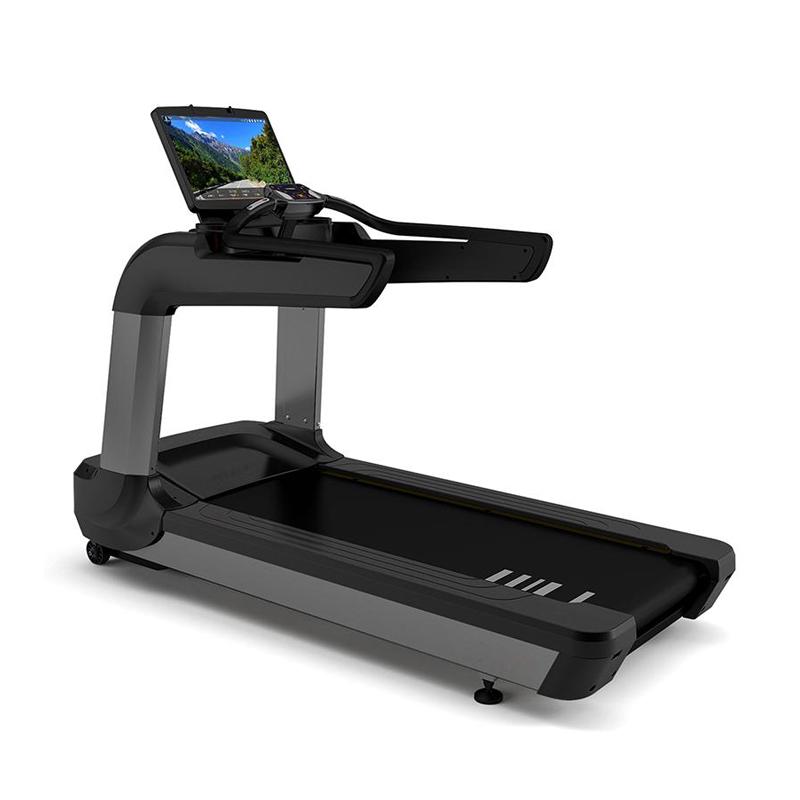
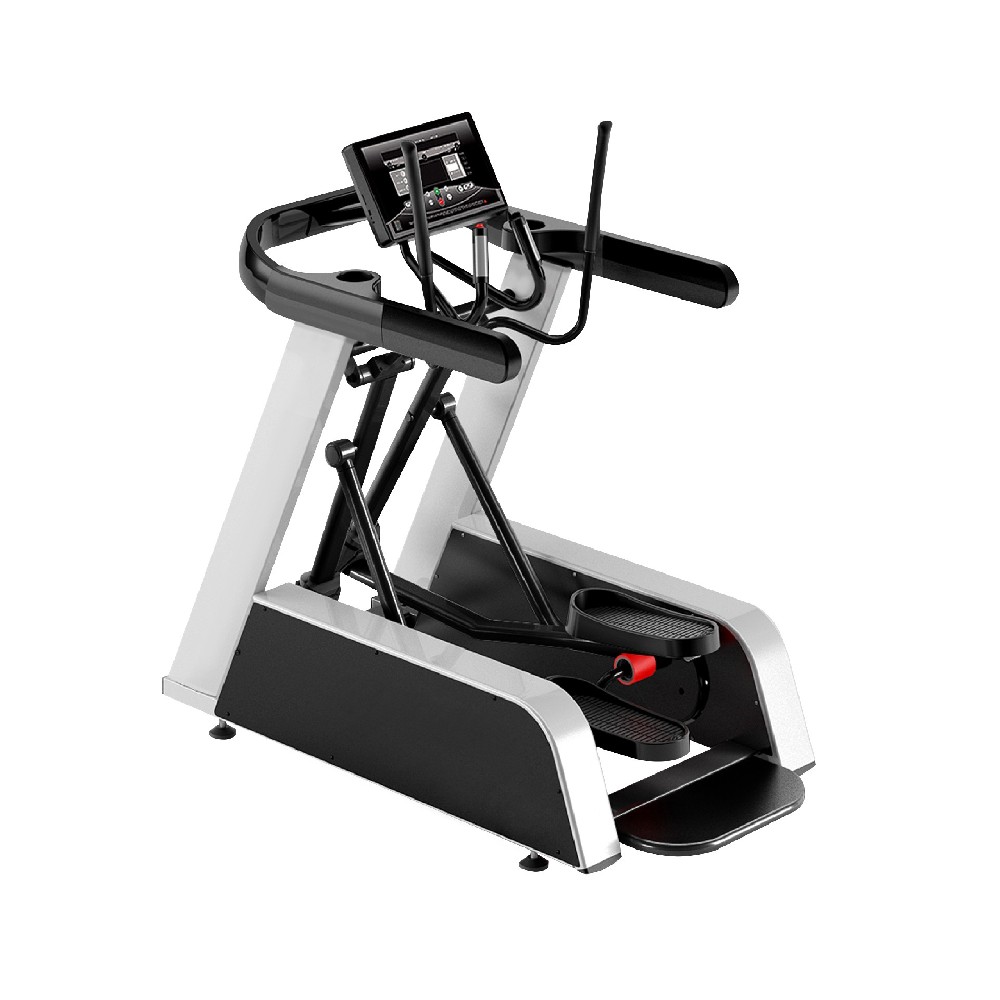
A thorough warm - up is the foundation of a safe workout. Spend 5 - 10 minutes on light cardio, such as jogging on the treadmill or using the elliptical machine, to increase blood flow to your muscles. Dynamic stretching, like leg swings and arm circles, helps loosen up joints and prepares your body for more intense exercise. A study in the Journal of Sports Medicine found that athletes who incorporated a proper warm - up routine reduced their injury risk by 35%.
Dress Appropriately
Wear breathable, moisture - wicking fabrics that allow freedom of movement. Invest in high - quality athletic shoes designed for your specific workout type, whether it’s weightlifting, running, or cross - training. Ill - fitting shoes can lead to foot pain, ankle sprains, and even back problems.
Fuel Your Body
Eat a balanced meal 1 - 2 hours before your workout. Opt for complex carbohydrates, lean proteins, and healthy fats to provide sustained energy. Avoid heavy, greasy meals that can cause digestive discomfort during exercise. Also, hydrate well in advance; aim to drink 16 - 20 ounces of water a few hours before hitting the gym.

During the Workout
Master Proper Form
Correct form is non - negotiable. Whether you’re lifting weights, doing yoga, or using cardio equipment, improper form can strain muscles, damage joints, and reduce the effectiveness of your workout. Consider hiring a personal trainer for a few sessions to learn the correct techniques. A report by the American Council on Exercise showed that 70% of gym - goers use incorrect form when performing basic exercises like squats and lunges.
Start Slow and Progress Gradually
Don’t push your body too hard, too soon. Begin with a weight or intensity level that feels manageable and gradually increase it over time. Overtraining can lead to muscle fatigue, injuries, and burnout. The general rule is to increase the intensity, duration, or weight of your workouts by no more than 10% each week.
Create a Balanced Routine
Avoid focusing solely on one muscle group. A balanced routine that includes strength training, cardio, and flexibility exercises is key to overall fitness. For example, if you work on your upper body one day, give your lower body some attention the next. This approach prevents muscle imbalances and reduces the risk of injury.
Breathe Correctly
Proper breathing is often overlooked but essential. Inhale as you lower the weight or return to the starting position in an exercise, and exhale as you exert force. Correct breathing helps maintain stability, supplies oxygen to your muscles, and improves your performance.
Maintain Safety Distance
Be aware of your surroundings. Keep a safe distance from other gym - goers, especially when using free weights or performing dynamic movements. This prevents accidental collisions and ensures everyone has enough space to work out safely.
Stay Hydrated
During your workout, sip water regularly. Aim to drink 7 - 10 ounces of water every 15 - 20 minutes. Dehydration can cause fatigue, dizziness, and decreased performance.
Post - Gym Care
Cool Down and Stretch
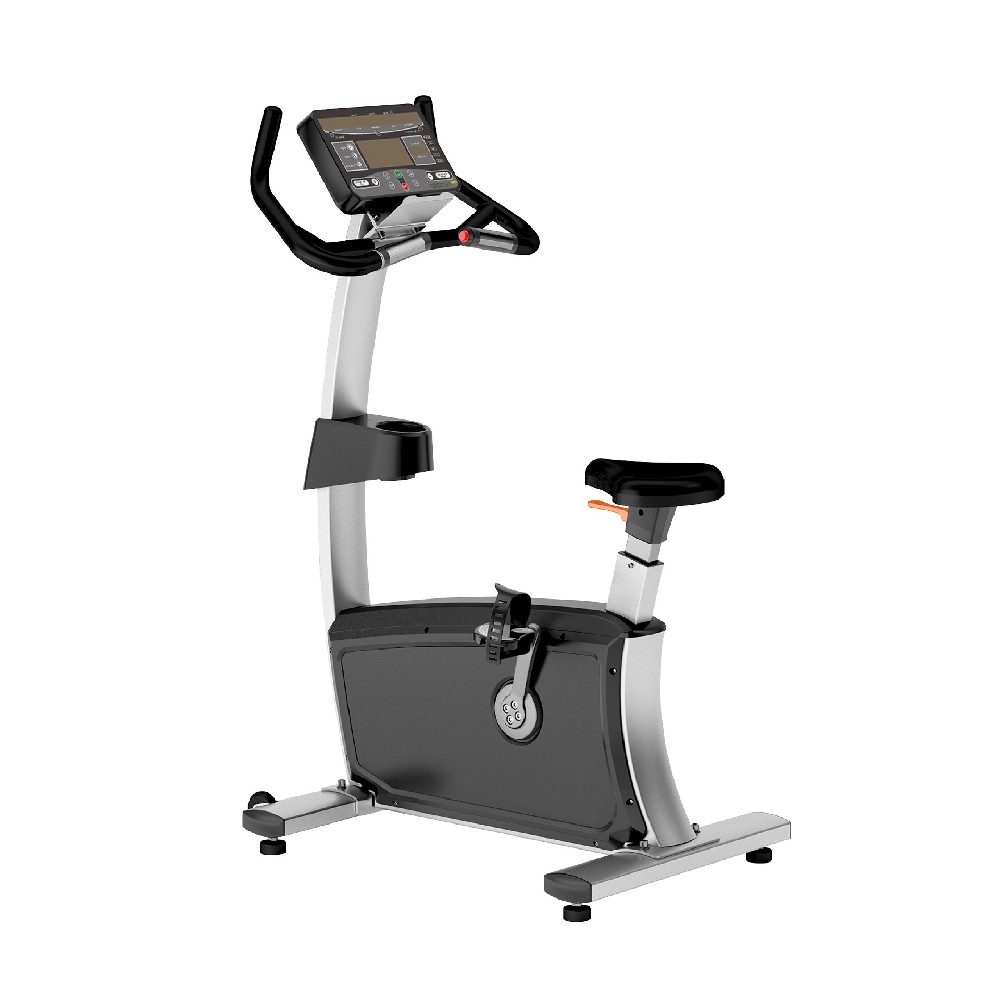
After your workout, spend 10 - 15 minutes cooling down. This can include light walking or cycling to gradually lower your heart rate. Static stretching, holding each stretch for 15 - 30 seconds, helps reduce muscle soreness and improve flexibility.
Avoid Immediate Shower
Wait 15 - 20 minutes before taking a shower. Your body is still in a state of heightened circulation, and a sudden change in temperature can cause dizziness or fainting.
Refuel and Recover
Consume a post - workout snack or meal within 30 minutes of finishing your exercise. A combination of protein and carbohydrates helps repair muscle tissue and replenish glycogen stores. Additionally, get enough sleep; most adults need 7 - 8 hours of sleep per night for optimal recovery.
By following these gym fitness precautions, you can create a safe, enjoyable, and effective workout environment. Remember, your health and safety should always be the top priority in the gym.