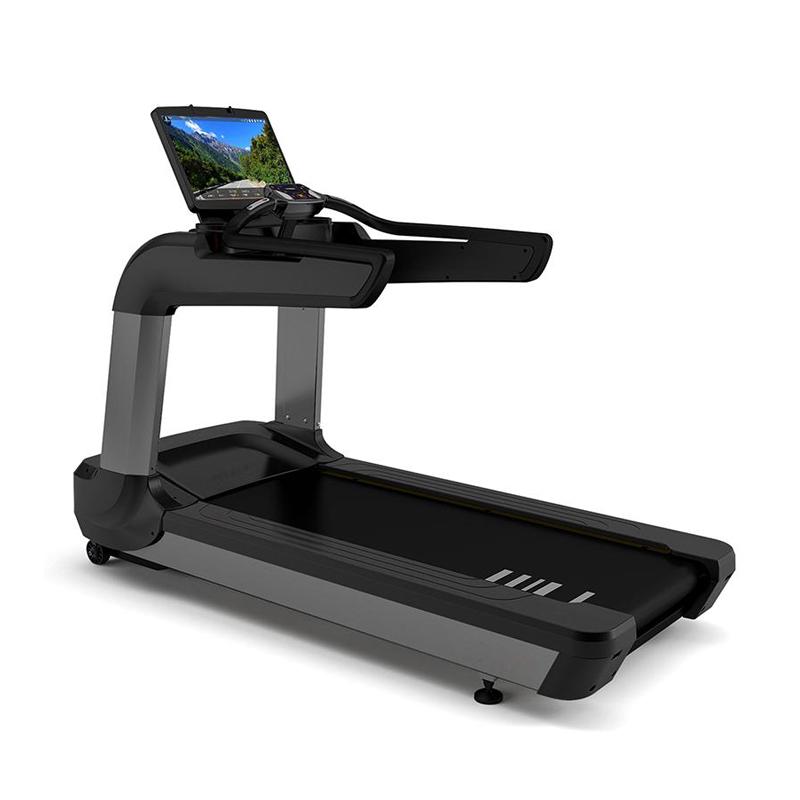
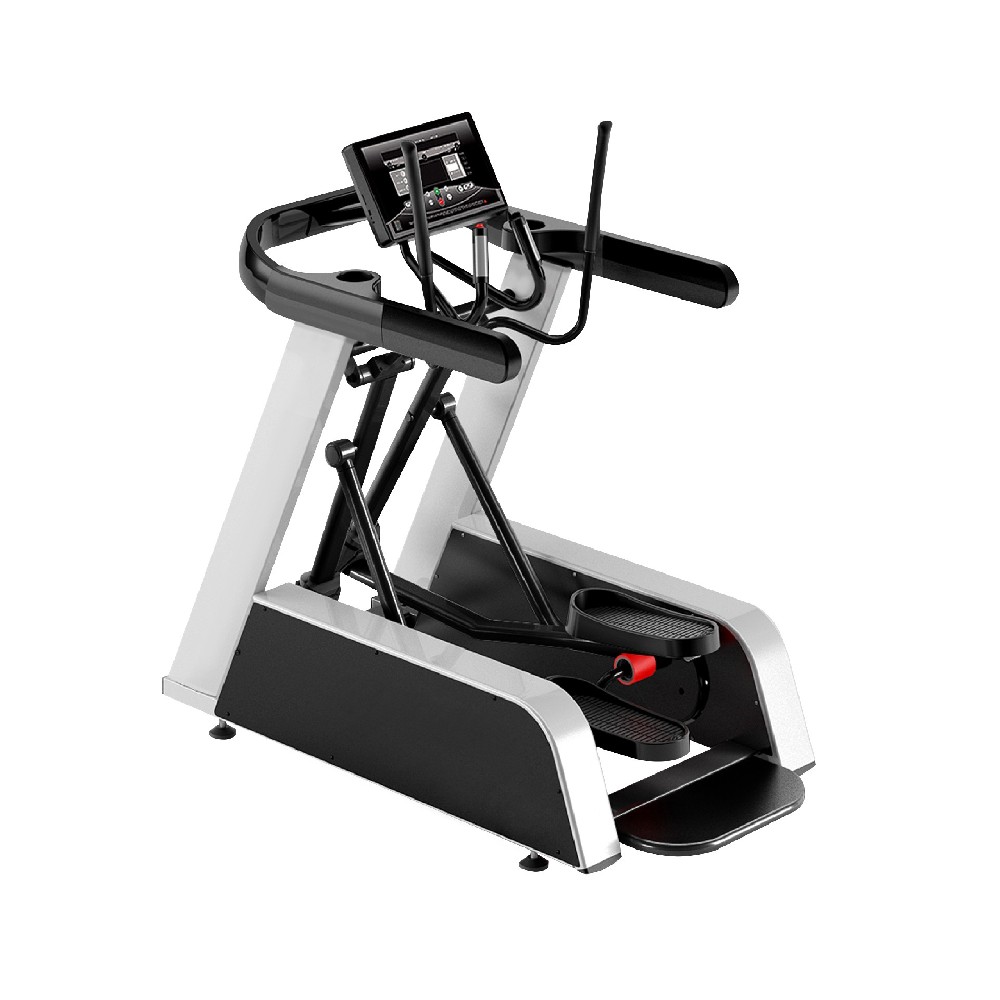
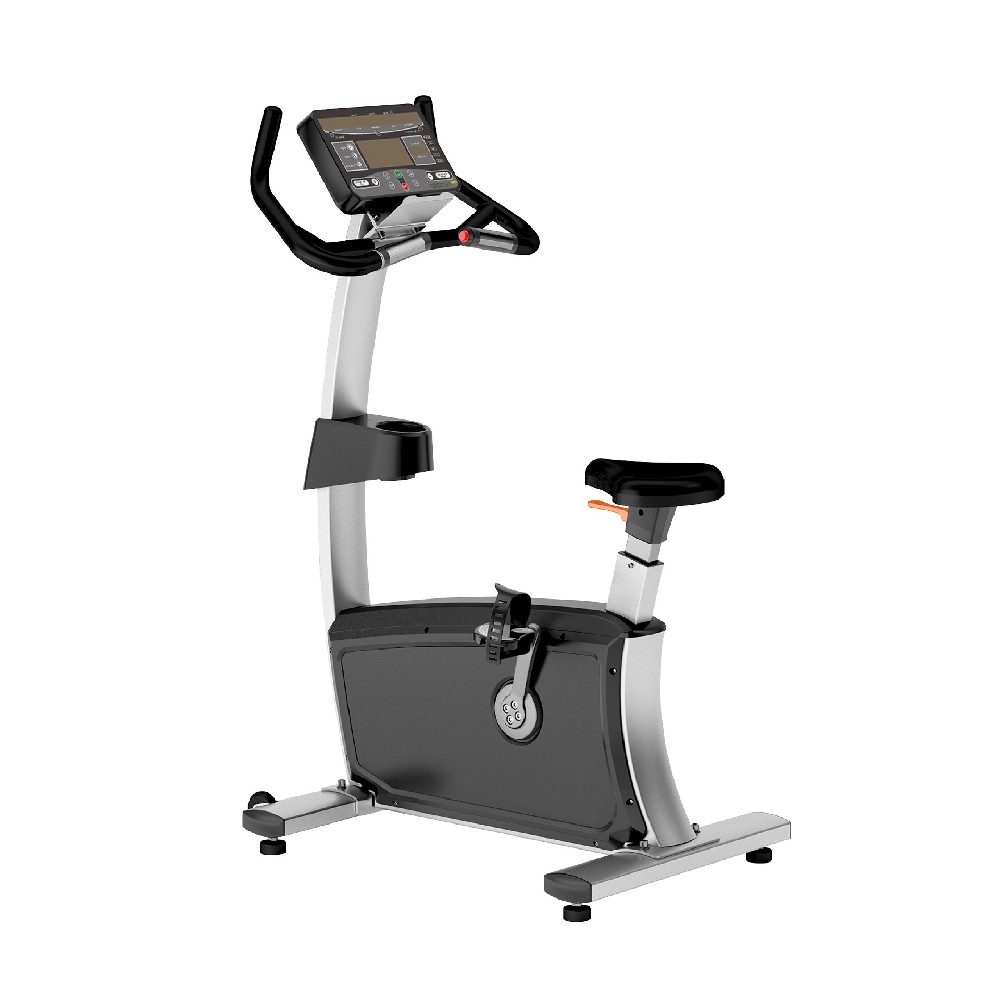
In the bustling world of fitness, while treadmills and ellipticals often steal the spotlight, the stair climber remains an underrated gem. This versatile machine not only offers a challenging cardiovascular workout but also targets multiple muscle groups, helping you torch calories and build strength simultaneously. However, improper use can lead to knee discomfort. Here are three scientific training methods to maximize fat burning while protecting your knees.

Step 1: Dynamic Warm-up: Prepare Your Body
Before diving into an intense stair climber session, warming up is crucial. A proper warm-up increases blood flow to your muscles, improves joint mobility, and reduces the risk of injury. Begin with 5 minutes of light, slow-paced climbing. This gentle movement gradually raises your heart rate and warms up your leg muscles, including the quadriceps, hamstrings, and calves.
Follow the light climbing with dynamic stretches. Leg swings, both front-to-back and side-to-side, effectively activate your hip flexors and glutes. Lunges with a twist engage your core and further prepare your lower body for the upcoming workout. Spend another 3 - 5 minutes on these stretches to ensure your body is fully primed for the more intense exercise ahead.
Step 2: Intensity Control: Find Your Sweet Spot
One of the keys to efficient fat burning on the stair climber is controlling the intensity. Instead of going all-out from the start, aim for a moderate-intensity level where you can still hold a conversation but are breathing slightly faster. Research shows that exercising at 60 - 70% of your maximum heart rate (MHR) is ideal for sustained fat burning. To calculate your MHR, subtract your age from 220. For example, if you're 30 years old, your MHR is 190, and the target heart rate range for fat burning would be 114 - 133 beats per minute.
Incorporate interval training to boost your metabolism and burn even more calories. After 10 - 15 minutes of moderate climbing, increase the speed or resistance for 1 - 2 minutes to reach a high-intensity level. Then, return to the moderate pace for 3 - 4 minutes to recover. Repeat these intervals throughout your workout. This approach not only helps you burn more fat during the exercise but also increases your post-workout calorie burn, known as the "after burn effect."

Step 3: Proper Posture: Protect Your Knees
Maintaining correct posture on the stair climber is essential for preventing knee pain. Stand tall with your shoulders relaxed and your core engaged. Keep your feet flat on the steps, hip-width apart, and distribute your weight evenly across both feet. Avoid leaning forward or backward, as this can put excessive stress on your knees and lower back.
As you climb, focus on using your glutes and hamstrings to lift your legs rather than relying solely on your quadriceps. This not only engages more muscle groups for better calorie burn but also reduces the strain on your knees. Additionally, make sure your knees align with your toes during each step. If your knees start to ache during the workout, slow down, check your posture, and consider reducing the intensity or resistance.
By following these three scientific training methods - dynamic warm-up, intensity control, and proper posture - you can transform your stair climber workouts from mundane to highly effective. Remember, consistency is key. With regular use and the right approach, the stair climber can become your go-to machine for achieving your fat-burning and fitness goals while keeping your knees healthy. So, the next time you're at the gym, give the stair climber a chance and experience the difference for yourself!