When it comes to building a strong and muscular chest, two exercises often come to mind: the seated chest press and the bench press. Both are effective compound movements that target the pectoralis major, but they have distinct differences that can make one more suitable for you than the other. In this article, we'll break down the key aspects of each exercise to help you make an informed decision.

Muscle Activation
The bench press is a classic compound exercise that engages multiple muscle groups. While the chest is the primary target, it also recruits the shoulders (deltoids) and triceps to a significant extent. This multi - muscle activation makes it an excellent choice for overall upper body strength development. When performing a bench press, the horizontal pressing motion mimics many real - life pushing movements, such as pushing a heavy object or getting up from a chair.
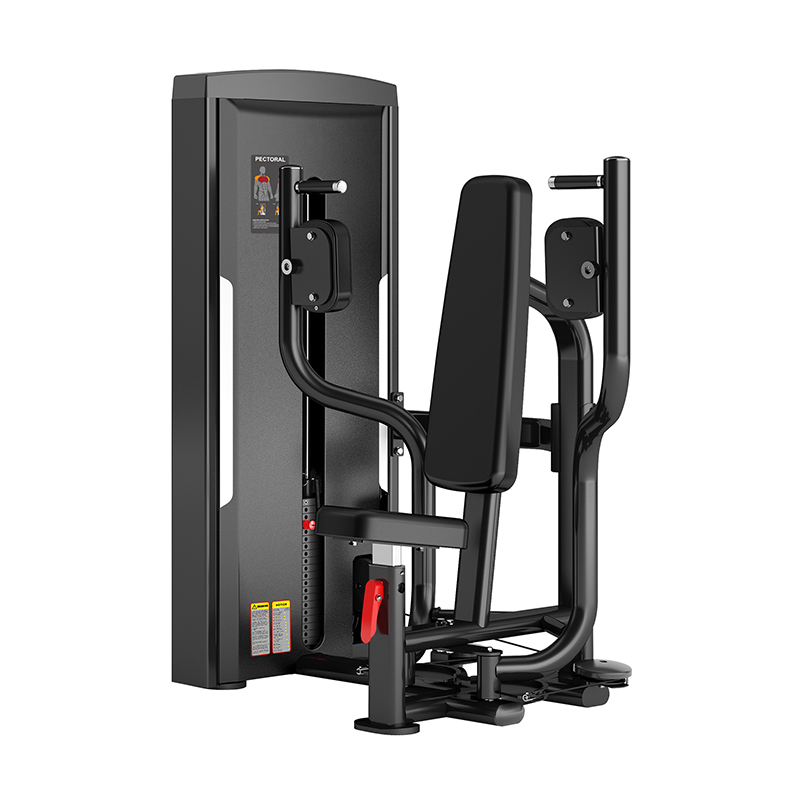
On the other hand, the seated chest press focuses more directly on the chest muscles. Since the shoulders are in a more fixed position, the chest has to do more of the work. The triceps are still involved, but to a lesser degree compared to the bench press. This isolation can be beneficial for individuals who want to specifically target and develop their chest muscles without overemphasizing the shoulders and triceps.
Stability and Safety
The bench press requires a significant amount of core and overall body stability. Lying on a bench, you need to maintain a proper arch in your lower back, keep your shoulders stable, and control the movement of the barbell or dumbbells. If your form is incorrect, there is a higher risk of injury, especially to the shoulders and lower back. Beginners may find it challenging to master the proper technique, and even experienced lifters can be at risk if they push too heavy a weight with poor form.
In contrast, the seated chest press offers more stability. You are seated, often with a backrest for support, which helps to maintain proper spinal alignment. This makes it a safer option for those with lower back problems or those who are new to strength training. The fixed position of the seat also reduces the chance of the shoulders slipping out of their proper alignment during the movement, decreasing the risk of shoulder injuries.

Equipment and Space Requirements
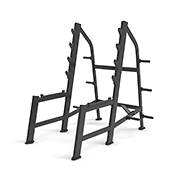
For the bench press, you need a bench, which can be either a flat, incline, or decline bench depending on the variation you want to perform. You also need a barbell or a pair of dumbbells. If you are using a barbell, you may need a power rack or a spotter for safety, especially when lifting heavy weights. This means that the bench press requires more space and equipment compared to some other exercises.
The seated chest press can be done with a dedicated seated chest press machine at the gym. These machines are designed to guide your movement and provide stability. If you don't have access to a machine, you can also use a cable machine with a chest press attachment. In terms of space, a seated chest press machine or a cable machine setup takes up less floor space compared to a full - bench and barbell setup for the bench press.
Suitability for Different Goals
If your goal is to build overall upper body strength, increase your maximum lift (such as in powerlifting), or improve your performance in sports that involve pushing movements like football or rugby, the bench press is likely the better choice. Its ability to engage multiple muscle groups simultaneously makes it a great exercise for functional strength development.
However, if you are looking to isolate and grow your chest muscles, rehabilitate shoulder injuries, or you have lower back issues that prevent you from performing the bench press safely, the seated chest press is a more suitable option. It allows you to focus on the chest without putting excessive stress on other areas of the body.
In conclusion, both the seated chest press and the bench press have their own unique advantages. The right choice for you depends on your fitness goals, physical condition, and personal preferences. It may even be beneficial to include both exercises in your training routine to target the chest from different angles and ensure balanced muscle development.