In the fitness - obsessed world of Europe and America, many individuals find themselves losing their enthusiasm for cardio workouts after delving into strength training. This shift in preference isn't just a random occurrence; it's influenced by several factors that are worth exploring.

Immediate Visual and Physical Results
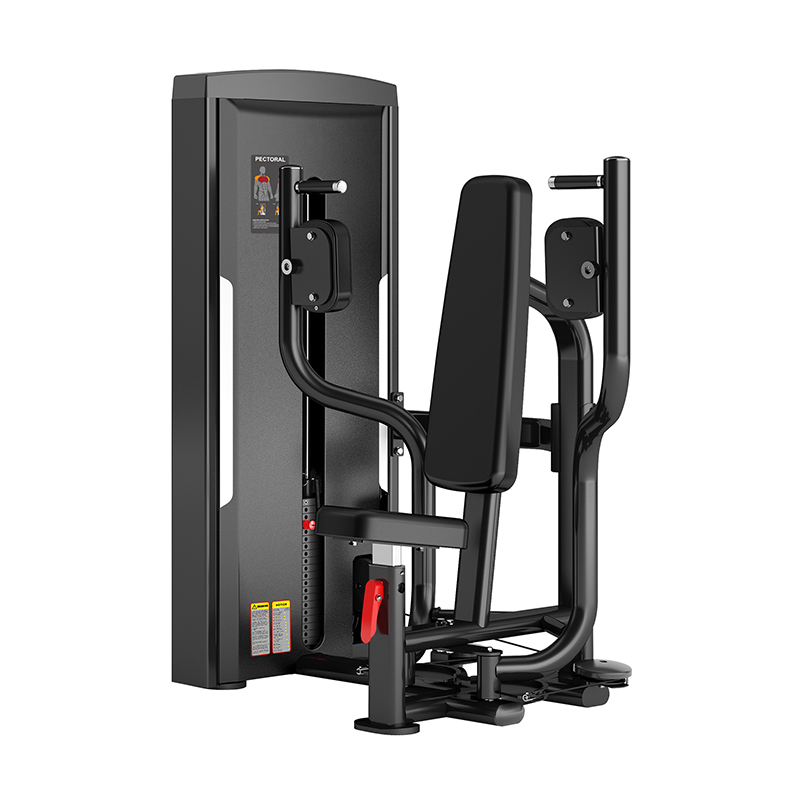
One of the primary reasons is the allure of quick results. Strength training often leads to more visible muscle growth and increased strength in a relatively short time. For example, within a few weeks of consistent weightlifting, a person might notice that their biceps are more defined or that they can carry heavier groceries with ease. This tangible progress can be highly motivating. In contrast, the results of cardio, such as improved endurance, are often more subtle and take longer to become apparent. A runner might need to train for months before they can notice a significant increase in their running speed or distance. This delay in seeing results can make cardio seem less rewarding, causing people to lose interest.

The Appeal of a Different Challenge
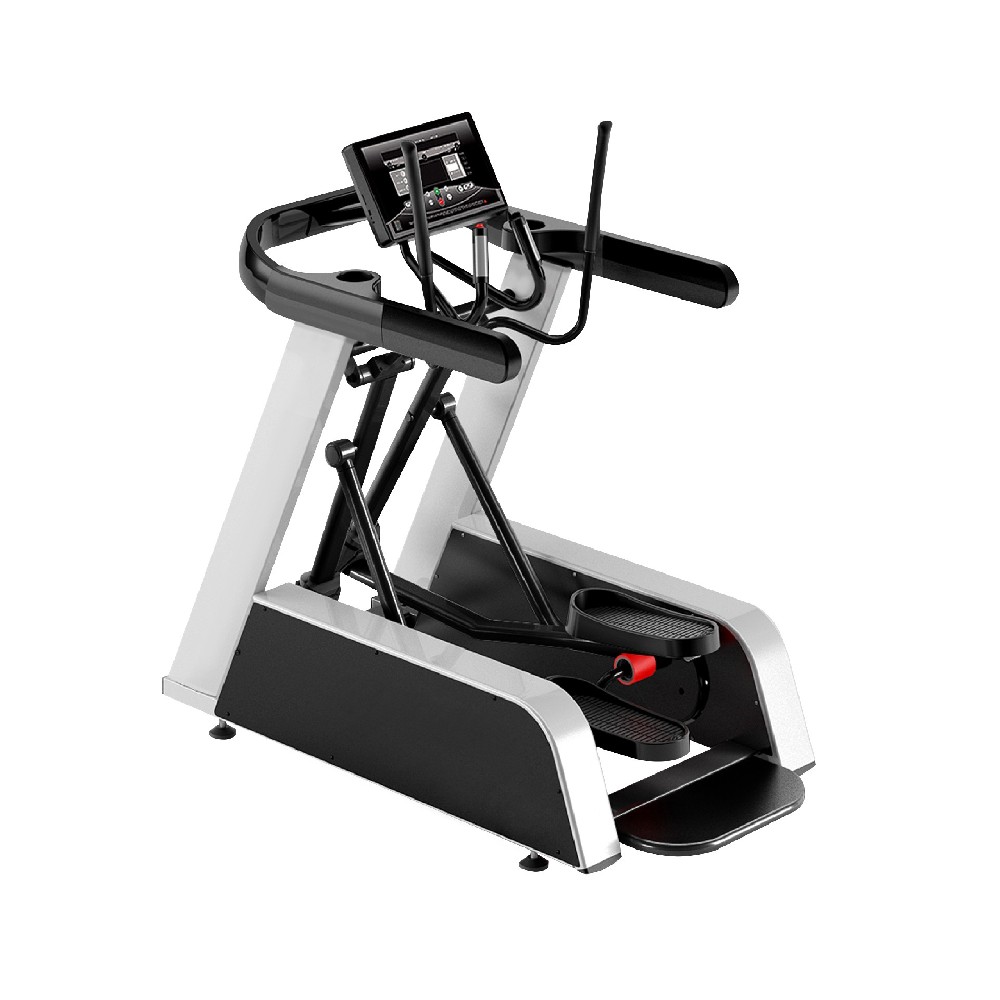
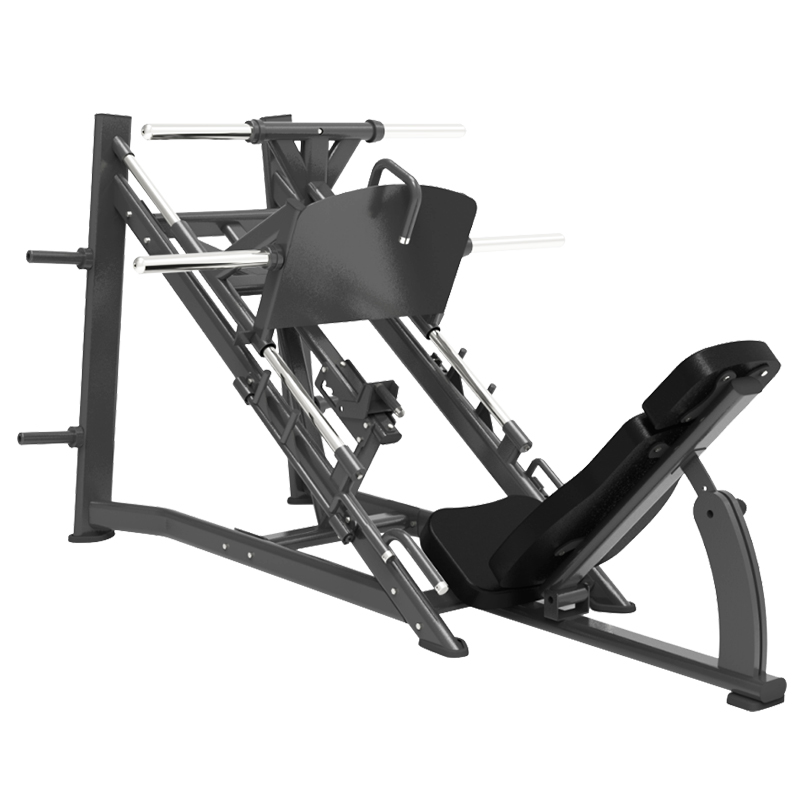
Strength training offers a unique set of challenges that can be more engaging than the repetitive nature of many cardio exercises. Lifting weights requires proper form, balance, and the ability to gradually increase the load. It's like a puzzle where you constantly strive to improve your performance. For instance, attempting to break a personal record in bench - pressing can be a thrilling and addictive goal. Cardio, on the other hand, like jogging on a treadmill, can sometimes feel monotonous. The lack of variety in some cardio workouts can make them less appealing, especially to those who seek novelty and new challenges in their fitness routines.
Social and Community Aspects
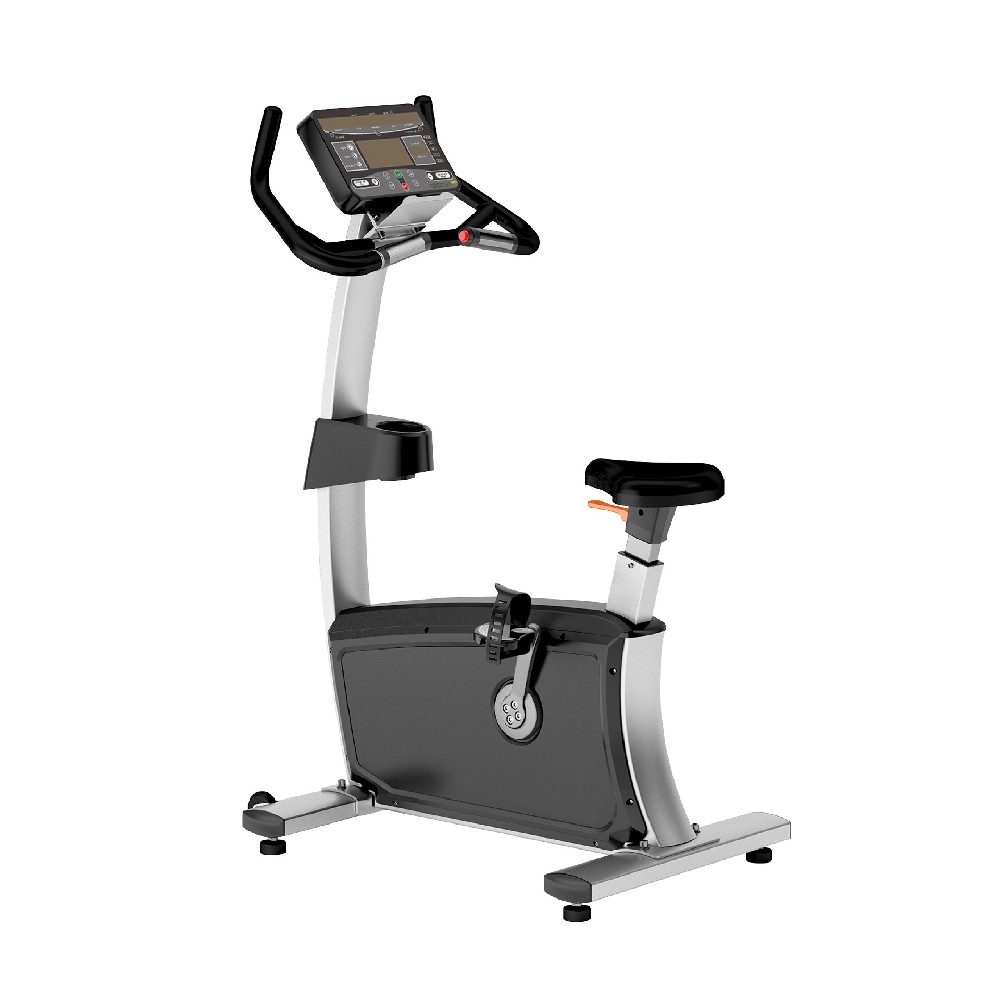
The fitness community in the West also plays a role. In many gyms, the strength - training area is often the social hub. People gather around the weight racks, share tips, and cheer each other on during heavy lifts. This sense of community and camaraderie can be a strong draw. In contrast, cardio areas, like the row of treadmills, are often more solitary. The lack of a strong social element in traditional cardio workouts can make them less appealing, especially for those who enjoy the social aspect of fitness.
Energy and Time Constraints
Finally, strength training can be more time - efficient for some. A well - structured strength - training session can be completed in 30 - 60 minutes, hitting multiple muscle groups. Cardio, especially for those aiming for high - intensity workouts like interval training, can be time - consuming. Additionally, strength training often leaves people feeling more energized and accomplished, while some high - intensity cardio can leave individuals feeling exhausted. In a fast - paced Western lifestyle where time is precious, the combination of time - efficiency and a better post - workout feeling can make strength training more attractive.
In conclusion, while both strength training and cardio have their unique benefits for overall health, the reasons for losing interest in cardio after starting strength training are clear. Understanding these factors can help fitness enthusiasts make more informed choices about their exercise routines. So, whether you're a die - hard strength trainer or a cardio lover, finding the right balance is key to a sustainable and enjoyable fitness journey.